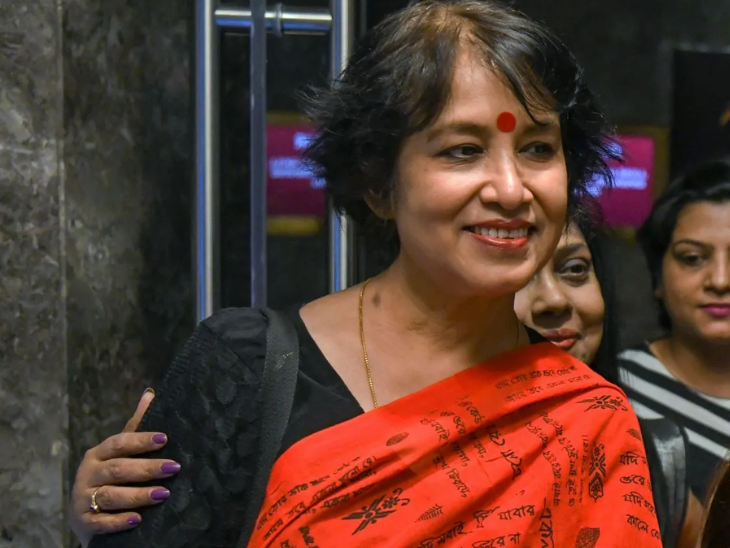

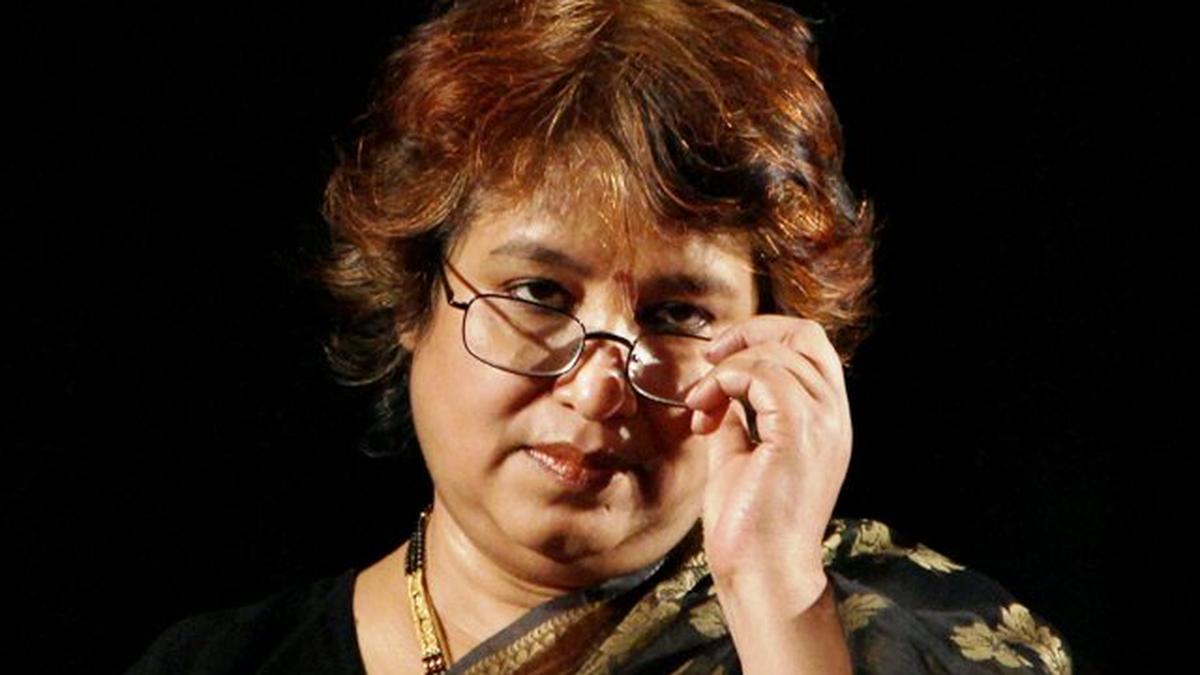
Exiled Bangladeshi author Taslima Nasrin is set to return to Kolkata on August 1, nearly two decades after she was forced to leave the city following violent protests over her writings. Nasrin announced on social media that she will participate in an anti-fundamentalism literary event at Rabindra Sadan, where she is expected to recite poetry.
Return sparks political and literary debate
A coalition of secular and anti-fundamentalist organisations is organising the programme. It comes months after the BJP assumed power in West Bengal and has drawn political attention beyond the literary sphere, reigniting debates on freedom of expression, secularism, and religious sensitivities.
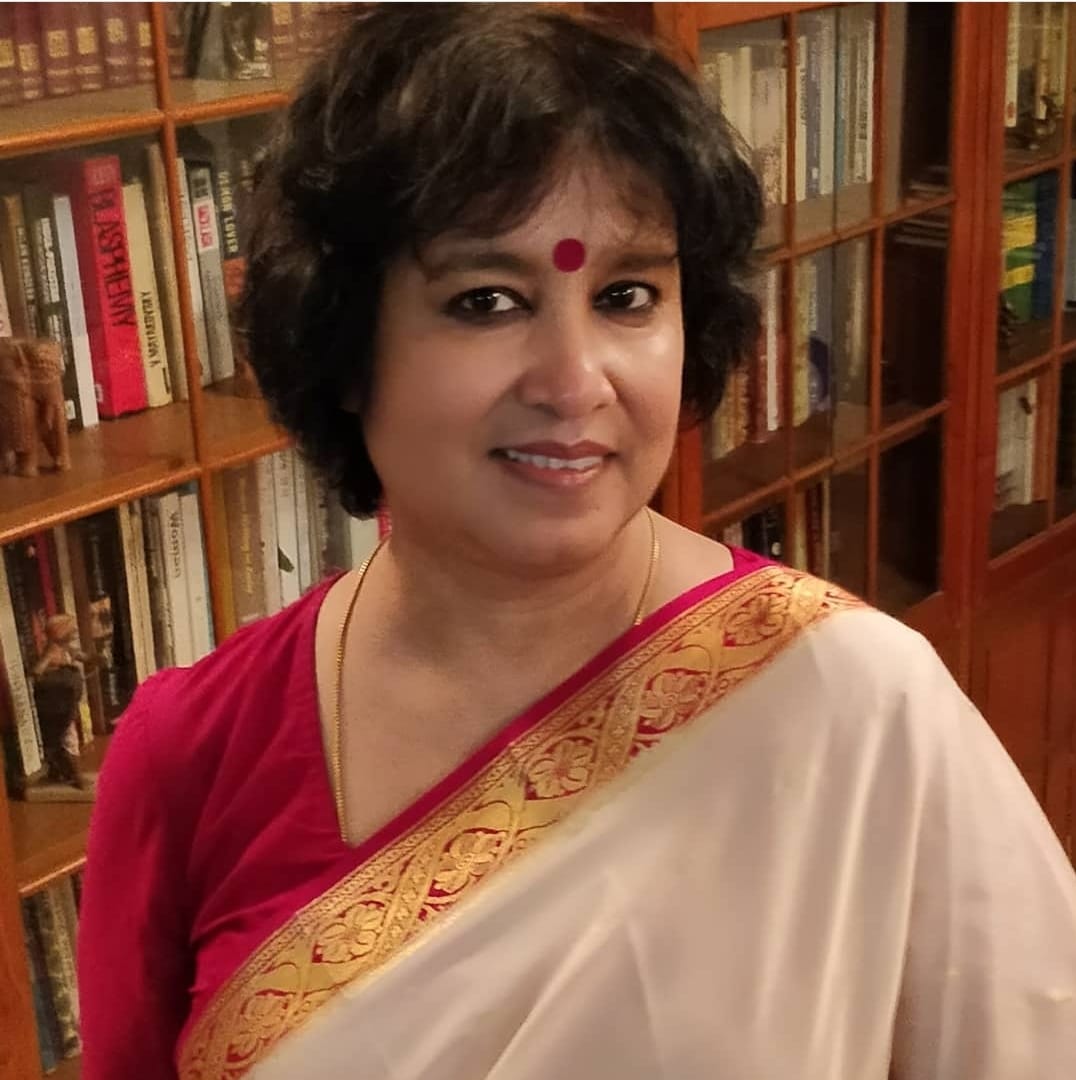
BJP celebrates long awaited homecoming event
“It will basically be an event to celebrate her coming to the city after 20 years. She was forced to leave Kolkata on November 21, 2007, after the then Left Front government bowed before fundamentalist forces. This is a new Bengal, and we have decided to honour her. Chief Minister Suvendu Adhikari himself will be present at the event,” Mohit Roy, one of the convenors and a member of the organisation Paschimbangar Jonno, told PTI.
Parliament demand revived return campaign earlier
Roy said there has been no discussion so far on whether the visit could pave the way for Nasrin’s permanent return to Kolkata.
The BJP has described the visit as symbolic, arguing that previous Left Front and Trinamool Congress governments failed to protect free speech by not facilitating Nasrin’s return despite her repeated requests to attend literary events and book fairs in Kolkata.
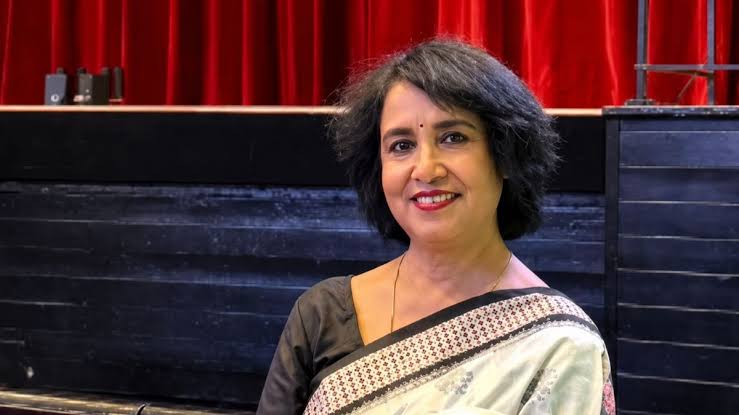
Exile followed protests over controversial writings
The issue had resurfaced last year when BJP Rajya Sabha MP and current West Bengal BJP president Samik Bhattacharya urged the Centre to facilitate Nasrin’s return, calling her a strong voice against Islamist fundamentalism in Bangladesh.
Departure shaped Bengal free speech discourse
Nasrin rose to international prominence in the early 1990s for her feminist writings and criticism of religious orthodoxy. She fled Bangladesh in 1994 after facing death threats and multiple fatwas following the publication of her novel Lajja, which highlighted the persecution of Hindus in Bangladesh after the Babri Masjid demolition.
After living in Europe and the United States for nearly a decade, she moved to India in 2004. She settled in Kolkata, describing the Bengali-speaking city as her closest cultural home in exile.
August event carries literary political significance
However, her stay ended abruptly in November 2007 after portions of her autobiographical work Dwikhandita sparked protests by sections of Muslim organisations. Violent demonstrations erupted in Kolkata, prompting the deployment of the Army to restore order. The then Left Front government led by Buddhadeb Bhattacharjee asked her to leave the city. She was later shifted to Jaipur and then Delhi, where she initially remained under house arrest before receiving a long-term resident permit and multiple-entry visa from the Centre.
Organisers of the August 1 event said it is intended to celebrate Nasrin’s lifelong stand against religious fundamentalism and reaffirm the importance of freedom of expression. Her return to Kolkata after nearly 20 years is expected to carry both literary and political significance, reflecting the changing political landscape of West Bengal.