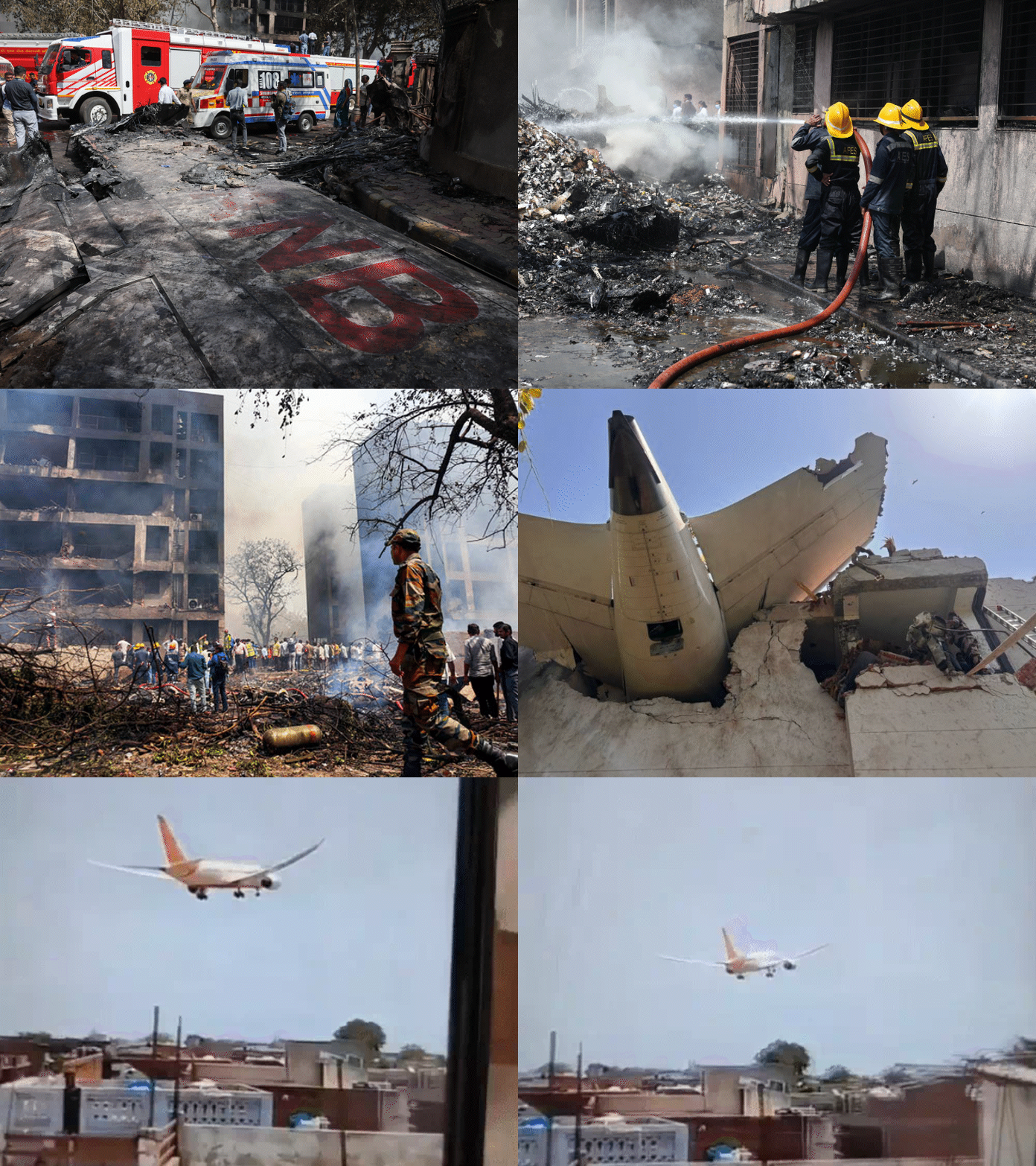
Union Civil Aviation Minister Ram Mohan Naidu on Wednesday said the investigation into the Air India AI-171 crash in Ahmedabad has entered its final stages, with the Aircraft Accident Investigation Bureau (AAIB) expected to release its final report soon.
Speaking about the progress of the inquiry, Naidu expressed confidence in the AAIB, saying the agency was conducting the investigation with professional rigour and complete transparency.
“Regarding the Ahmedabad plane crash involving the Air India flight, the investigation is currently in its final stages. The AAIB, which is handling the probe, is fully capable and is carrying out the investigation in a completely transparent manner,” the minister said.
Naidu stressed that while there was a need to complete the investigation without unnecessary delay, uncovering the exact sequence of events leading to the crash remained the foremost priority.
“It is important to bring out the report as quickly as possible, but it is far more crucial that the absolute truth about how and why the accident occurred comes to light,” he said, adding that the final report would be released “very soon”.
Families seek regular updates, independent checks
The minister’s remarks come amid growing concerns among the families of those killed in the crash. Several relatives have written to the Ministry of Civil Aviation, alleging inadequate communication from investigators and raising questions about the transparency of the ongoing probe.
In their representation, the families urged the government to ensure that the AAIB conducts independent full-flight simulator validation tests before publishing its final findings. They argued that such tests would help verify the sequence of events outlined in the preliminary report and strengthen public confidence in the investigation.
The families have also sought regular progress updates every 15 to 30 days, a clearly defined timeline for the release of the final report and the creation of a dedicated communication channel through which investigators can directly engage with relatives.
Among their other demands is the inclusion of an experienced commercial pilot with Boeing 787 operational and accident investigation expertise in the inquiry. They have also requested assurances that no family member will be pressured into signing legal waivers that could limit their rights to pursue claims against parties found responsible.
“We have already lost our loved ones. We only seek the truth, regular communication, a fair investigation, and protection of our legal rights,” one of the letters stated.
The families further requested that the AAIB organise periodic meetings or conferences to brief relatives on the progress of the investigation and answer their questions. They also referred to the Federation of Indian Pilots’ recommendation for independent simulator validation tests before the report is finalised.
Probe progressing under international norms
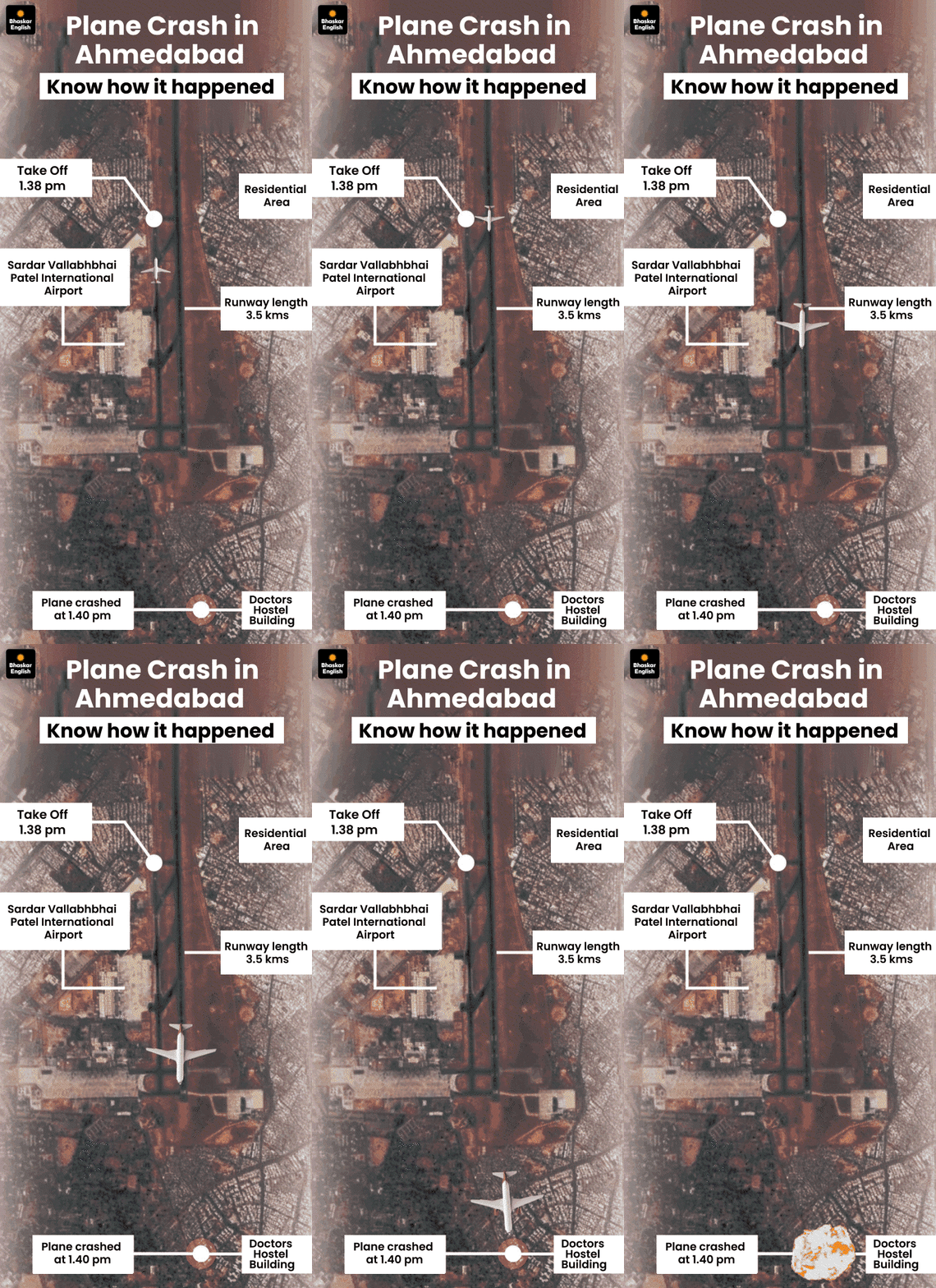
The Air India AI-171 Boeing 787-8 crashed shortly after taking off from Ahmedabad’s Sardar Vallabhbhai Patel International Airport on June 12 last year, killing 260 people, including 229 passengers, 12 crew members, and 19 people on the ground.

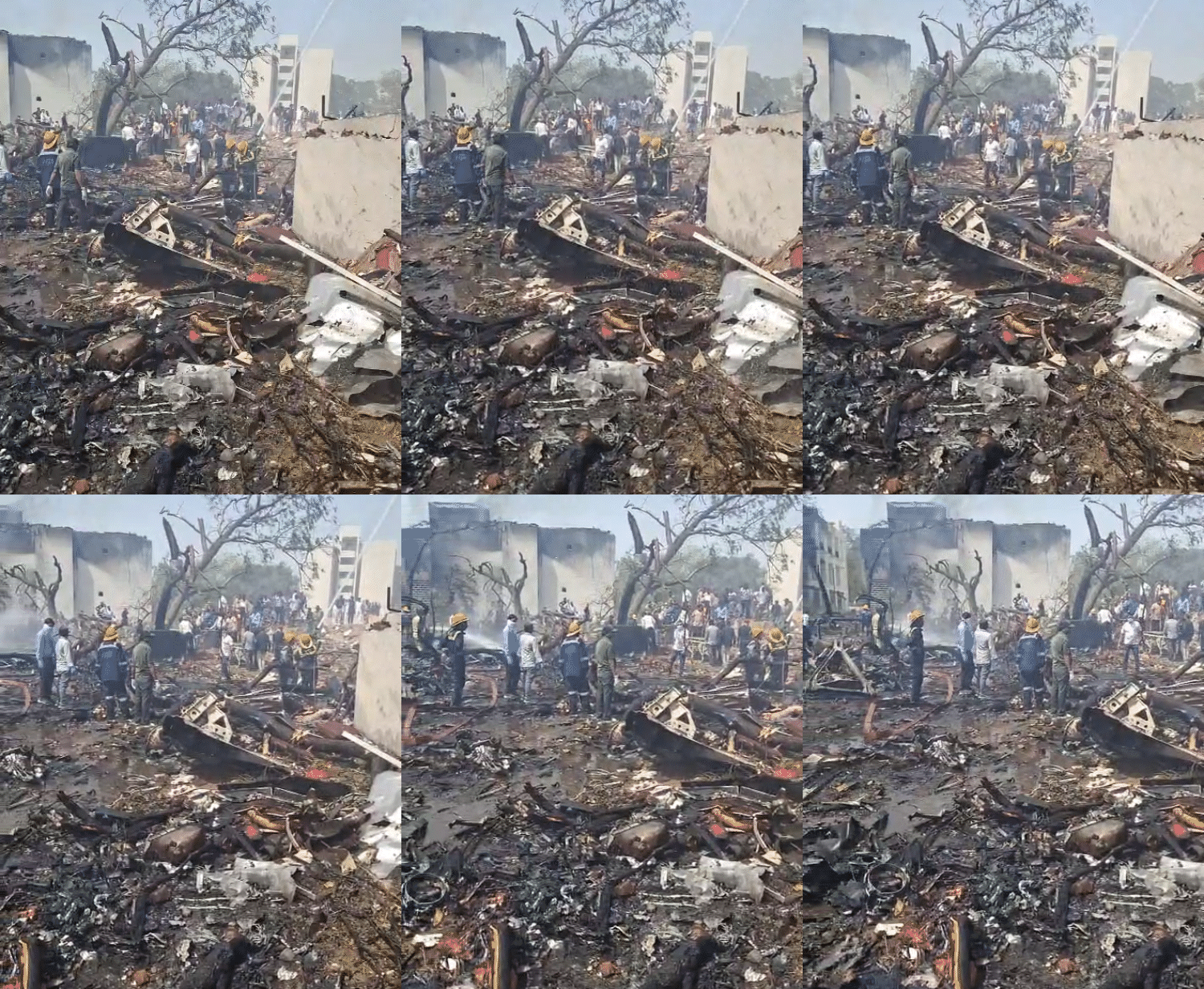
Earlier this month, Naidu had similarly stated that the investigation was nearing completion and was being conducted strictly in accordance with internationally accepted aviation accident investigation protocols.
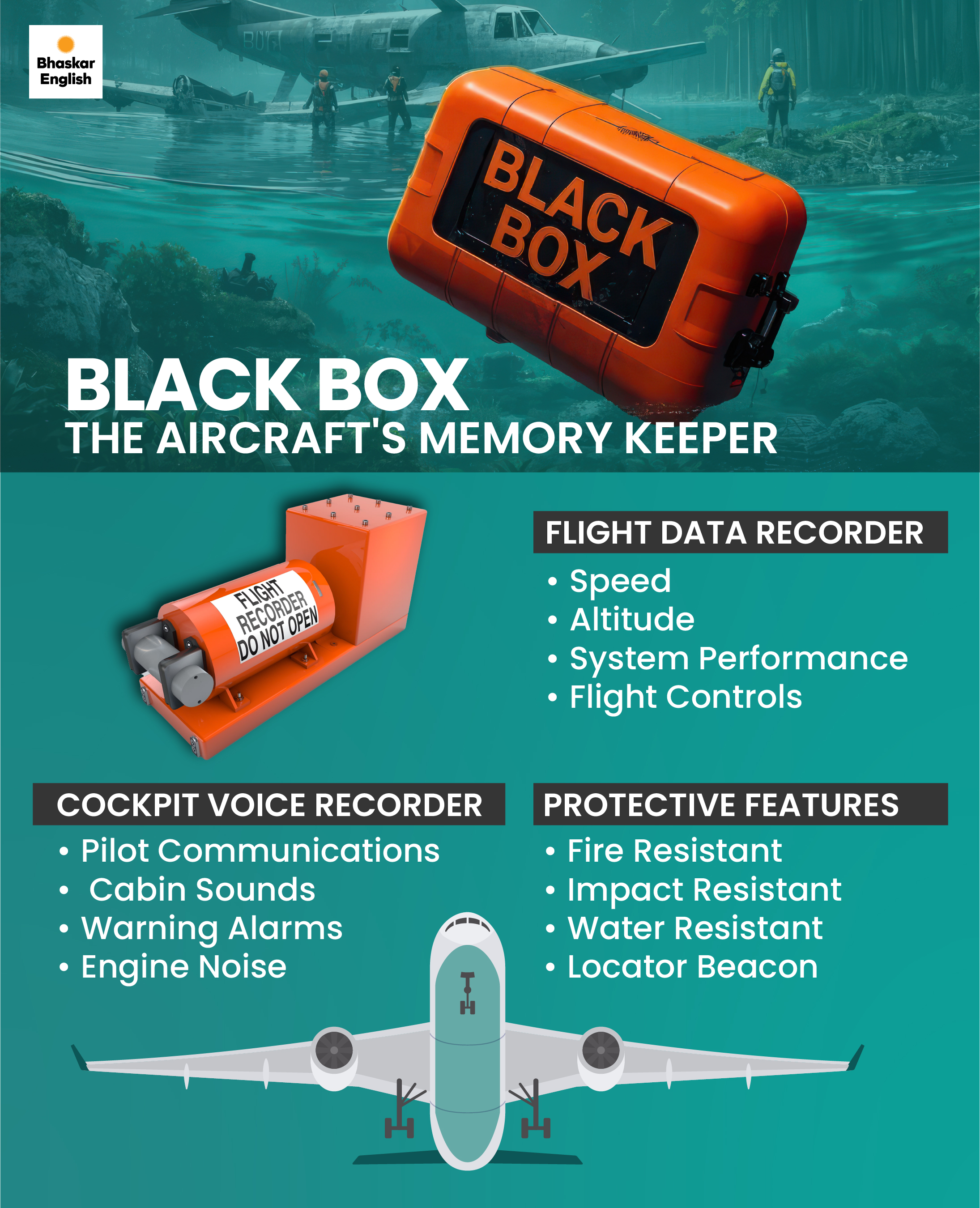
Last week, the AAIB said investigators had made significant progress in examining aircraft systems, flight recorder data and engine-related components. It added that evidence gathered during the inquiry was being analysed through a comprehensive and integrated process before the final report is issued.
AAIB opposes release of cockpit recordings
Meanwhile, the AAIB has strongly opposed petitions before the Supreme Court seeking disclosure of cockpit voice recordings and the constitution of a parallel inquiry into the AI-171 crash.
In a counter-affidavit filed before the apex court, the bureau said it has exclusive statutory authority to investigate aircraft accidents and that the law prohibits disclosure of protected investigation material during the inquiry.
The AAIB informed the court that it expects to complete the investigation and submit its final report by October 2026. It said the probe is being conducted under the Aircraft (Investigation of Accidents and Incidents) Rules, 2025, as well as the International Civil Aviation Organization (ICAO) framework, with the objective of improving aviation safety and preventing future accidents rather than assigning blame.
‘Absolute statutory prohibition’
Referring to Rule 17 of the Aircraft (Investigation of Accidents and Incidents) Rules, 2025, the bureau said witness statements, communications between those operating the aircraft, medical and private information, cockpit voice recordings and transcripts, air traffic control recordings, cockpit image recordings and investigators’ opinions are protected from public disclosure unless the Central Government specifically decides otherwise.
The bureau argued that sharing cockpit voice recordings with an external committee, as sought by the petitioners, would be contrary to the statutory framework governing aircraft accident investigations.

“Rule 17(5) specifically provides that the audio content of cockpit voice recordings shall not be disclosed to the public. This is an absolute statutory prohibition,” the affidavit said.
The AAIB maintained that confidentiality is essential to preserving the integrity of aviation safety investigations, encouraging witnesses to cooperate freely and ensuring investigators can independently establish the facts without external influence.
“These protections serve a critical purpose: they preserve the candour of witnesses, the independence of investigators and the integrity of the no-blame investigation process. If witnesses know that their statements may be disclosed, they may become guarded or unwilling to cooperate, defeating the very purpose of the safety investigation,” it added.
SC hearing on plea
The bureau also argued that the legal framework governing aircraft accident investigations is comprehensive and leaves no scope for a court-directed parallel probe.
The affidavit was filed after the Supreme Court, while hearing the matter in February, sought a progress report from the AAIB and details of the procedure being followed in the investigation. At the time, the Centre informed the court that the inquiry was being conducted in line with India’s international obligations and was intended to determine the cause of the crash rather than fix liability.
The petition, filed by the Safety Matters Foundation, seeks a court-monitored investigation into the AI-171 crash. The organisation has argued that accidents involving large-scale loss of life warrant a higher-level inquiry under international norms. It has also questioned the composition of the AAIB investigation team, contending that several members are from the Directorate General of Civil Aviation (DGCA), which is itself under scrutiny in relation to the crash.