



Kolkata3 hours agoAuthor: Tirthankar Das

Every summer, India consumes millions of tonnes of mangoes. The sweet fruit disappears quickly, but what remains almost always ends up in the dustbin, a hard, fibrous seed that most people consider useless.
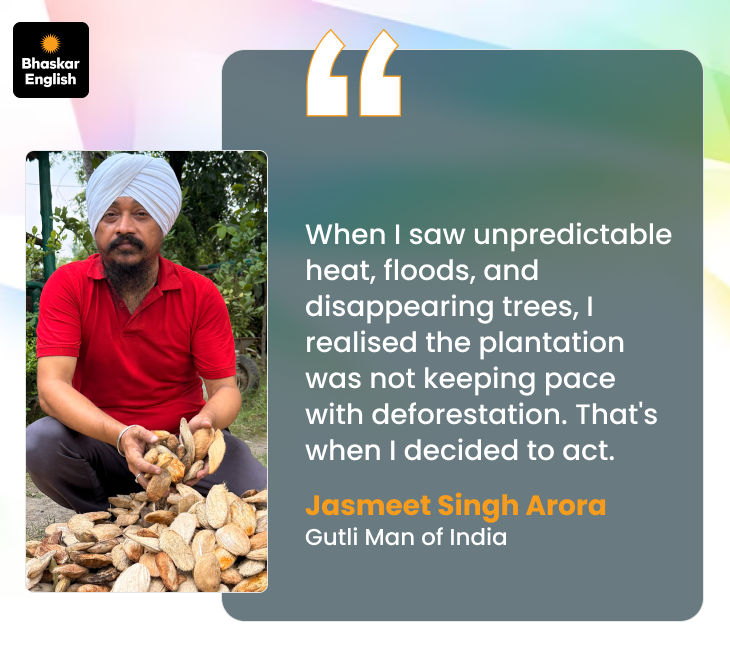
For Kolkata-based entrepreneur and social reformer Jasmeet Singh Arora, however, that discarded mango seed is not waste. It is an investment in India’s environmental future, a lifeline for struggling farmers, and perhaps one day, a source of income through the country’s emerging carbon economy.
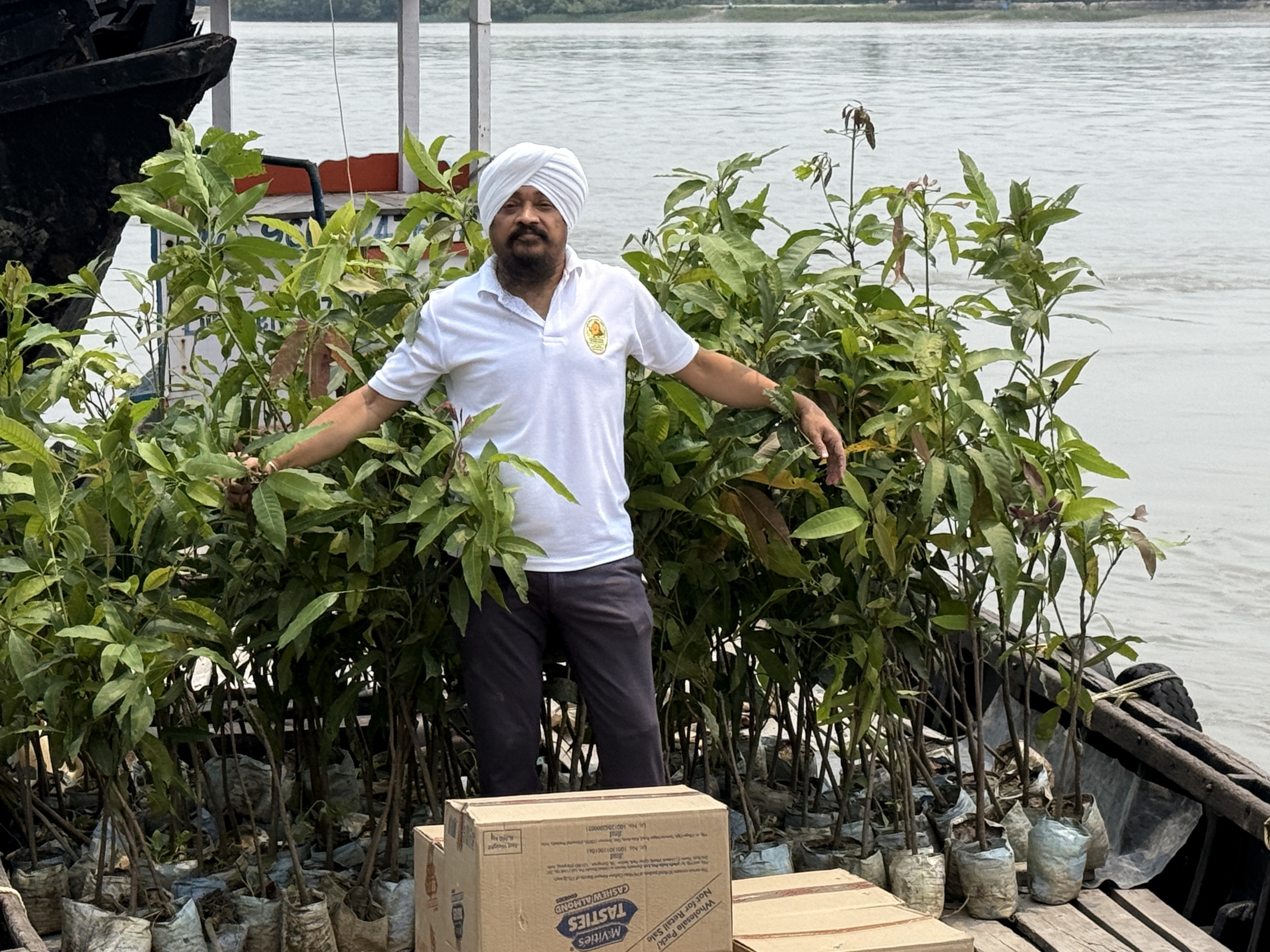
Known across the country as the ‘Gutli Man of India’, Arora has transformed an ordinary household habit into a nationwide environmental movement. His appeal is remarkably simple: eat mangoes, clean the seed, dry it, and send it to him. He takes care of the rest.
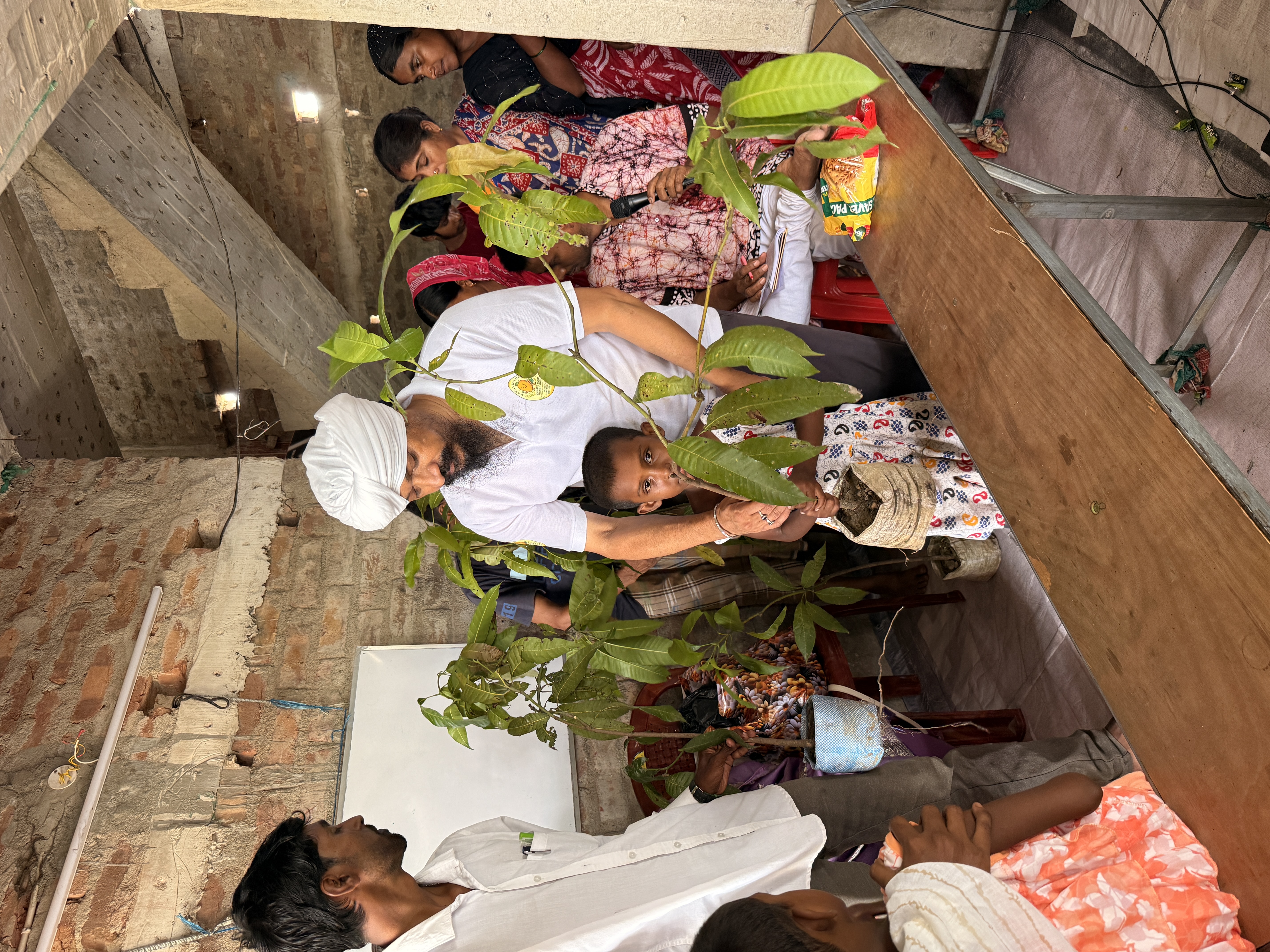
At his nurseries near Diamond Harbour and Burdwan, the seeds are germinated, grafted with local mango varieties such as Langra and Gulab Khas, and distributed free of cost to farmers—primarily in West Bengal.

A farmer’s problem, an entrepreneur’s solution
The inspiration came during Arora’s frequent travels across rural India. He met countless farmers who owned land but survived on meagre incomes from paddy cultivation. While rice remains India’s staple crop, small farmers often earn very little from it, even as the crop demands enormous quantities of water and chemical fertilisers.
“I wanted to make farmers entrepreneurs,” Arora says. “A farmer earning ₹1,500 or ₹2,000 a month cannot dream of prosperity.”
His answer was not to replace agriculture but to diversify it.

Instead of relying solely on seasonal crops, he wants farmers to develop long-term assets in the form of fruit orchards. Mango trees take several years to mature, but once established, they continue producing fruit for decades, creating recurring income while requiring comparatively lower maintenance than water-intensive paddy cultivation.
More than just a fruit
India is the world’s largest producer of mangoes, contributing nearly half of global production. The fruit supports an enormous value chain—from fresh markets and exports to juices, pickles, confectionery, processed foods, and traditional medicines. A single mango tree therefore, represents much more than seasonal fruit.
It becomes a long-term economic asset.
As orchards expand, they create opportunities for nursery operators, transporters, food-processing industries, exporters and rural entrepreneurs. For farmers, every mature tree becomes a living savings account capable of generating income year after year.
Arora believes this economic value should be viewed alongside the environmental services mango trees provide.
Nature’s air conditioner
India has witnessed rising temperatures, erratic rainfall, prolonged heatwaves, and frequent flooding in recent years. Scientists have consistently linked these changing weather patterns to climate change, rapid urbanisation and declining green cover. For Arora, trees are among the most practical local solutions.

Unlike seasonal crops, mango trees remain green for most of the year. Their expansive canopy provides shade, reduces surface temperatures and creates a cooler microclimate. The trees also support biodiversity by offering food and shelter to birds, bees, and insects that are essential for healthy ecosystems.
“They’re like natural air conditioners,” Arora often says, describing how standing beneath a mature mango tree can feel noticeably cooler than standing in the open.
Beyond cooling neighbourhoods, the trees absorb carbon dioxide throughout their lifetime, storing carbon in their trunks, branches, roots, and surrounding soil, a process known as carbon sequestration.
Can trees become a new source of rural income?
Perhaps the most ambitious aspect of Arora’s vision lies in carbon credits.
India has begun developing its domestic carbon market, where verified reductions or removals of greenhouse gases may eventually be traded under approved frameworks. Arora believes that if farmers maintain large orchards capable of storing significant amounts of carbon, they should one day benefit financially, not only from selling mangoes but also from the environmental service their trees provide.
While individual orchards cannot automatically generate carbon credits and projects require scientific measurement, verification and regulatory approval, experts believe carbon farming could become an important supplementary income source for Indian agriculture as carbon markets mature.
If realised at scale, such a model could reward farmers for becoming climate custodians rather than merely food producers.
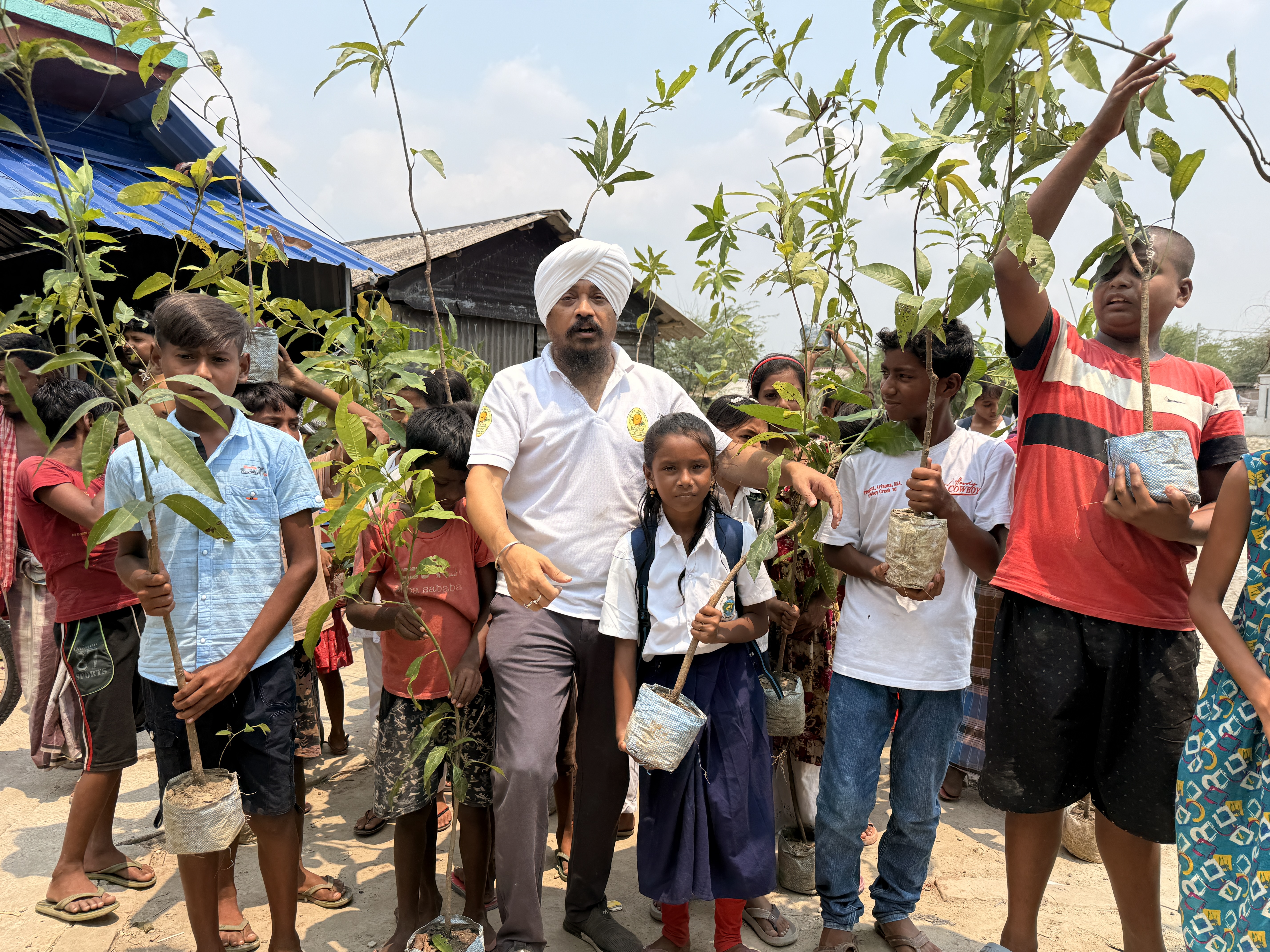
A people’s climate movement
The Gutli Mission has grown far beyond one man’s effort.
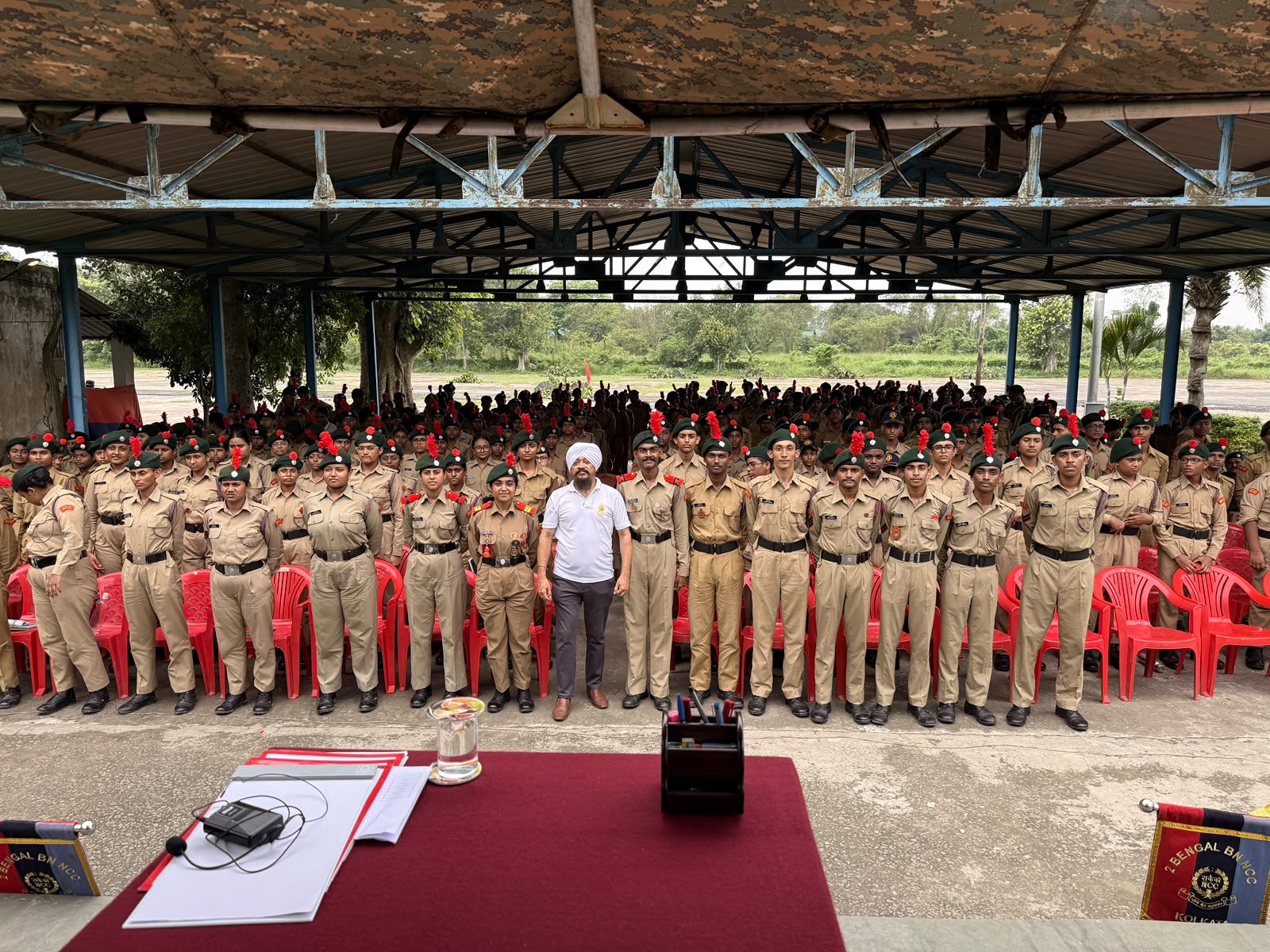
Schools, housing societies, businesses and families from across India now collect mango seeds during summer. What was once dismissed as an eccentric idea has become a citizen-led environmental campaign.
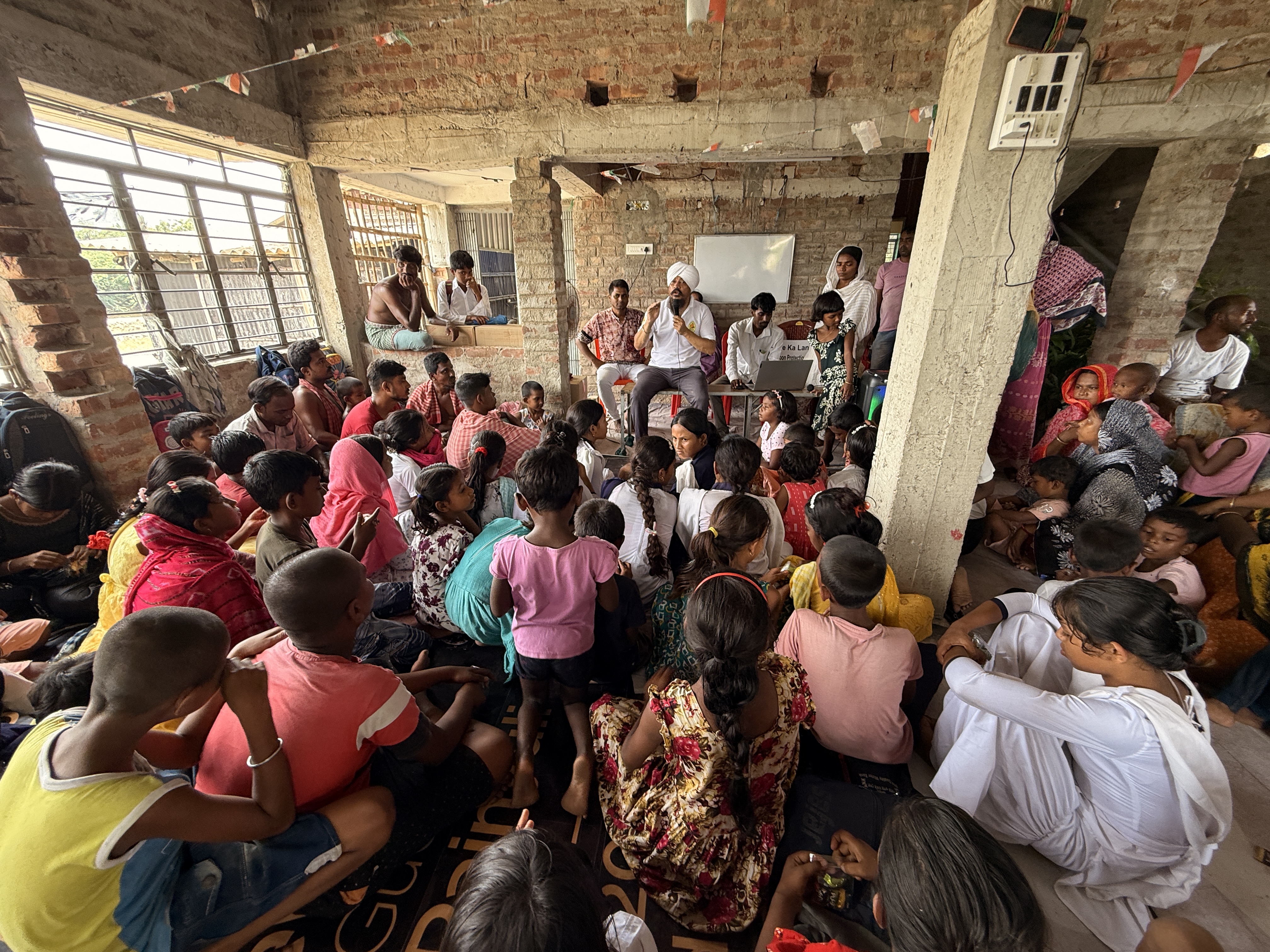
According to Arora, the movement received an unprecedented response after a video about his work went viral. Thousands of seed parcels began arriving from across the country, eventually resulting in more than a lakh collected seeds in one season, with participation continuing to expand.
His latest initiative, the Carbon Protection Force, seeks to involve educational institutions, corporate organisations and communities in large-scale tree planting and environmental awareness.
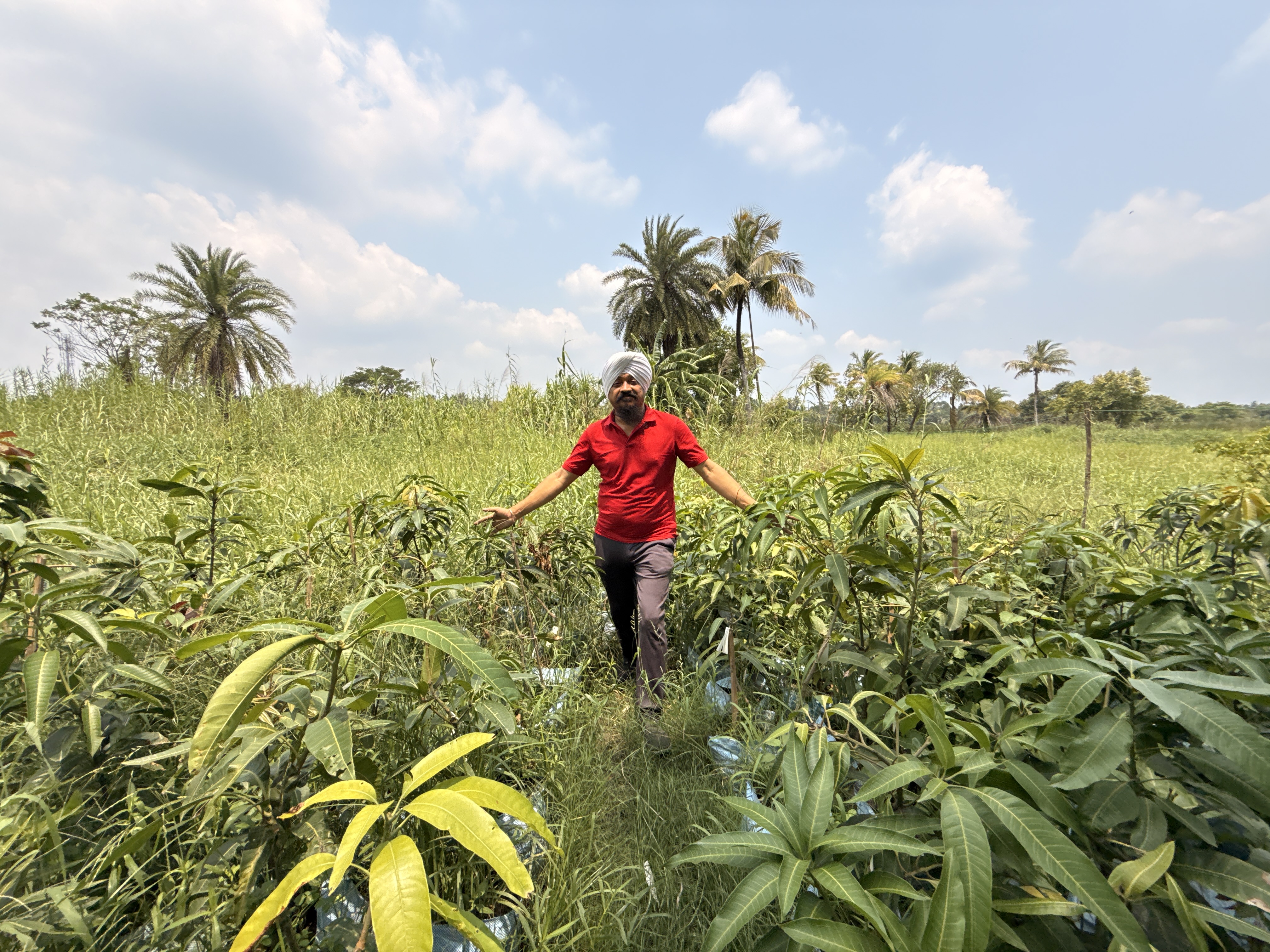
The seed of a bigger change
India’s fight against climate change cannot rely solely on technology or government policy. It will also depend on millions of small actions taken by ordinary citizens. Saving a mango seed may appear insignificant.
Yet, when that seed grows into a fruit-bearing tree, it begins producing oxygen, storing carbon, cooling the landscape, supporting wildlife and eventually generating income for a farming family.
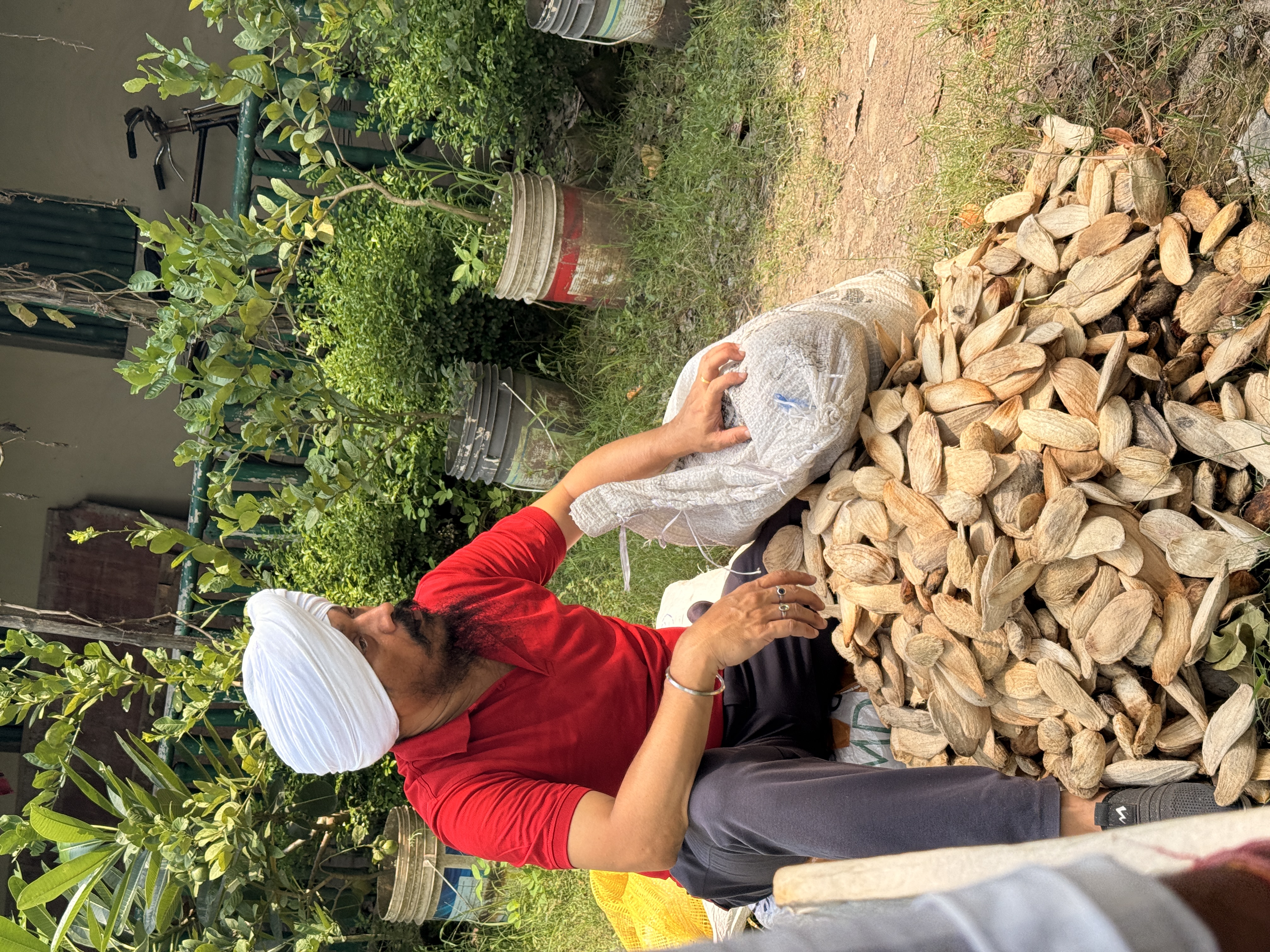
In an era marked by rising temperatures, shrinking forests, and mounting pressure on agriculture, Jasmeet Singh Arora’s Gutli Mission offers an unusually hopeful proposition: that the answer to some of India’s biggest environmental and economic challenges may already be lying in our kitchens, waiting to be planted rather than thrown away.
(Graphics by Vivek Ray and Maddiwar Ajit Kumar)




