Bagda, North 24 Parganas56 minutes agoAuthor: Tirthankar Das

Every monsoon, farmers in the border villages of North 24 Parganas brace for a familiar enemy, not drought, not pests, but floodwaters from across the international border.
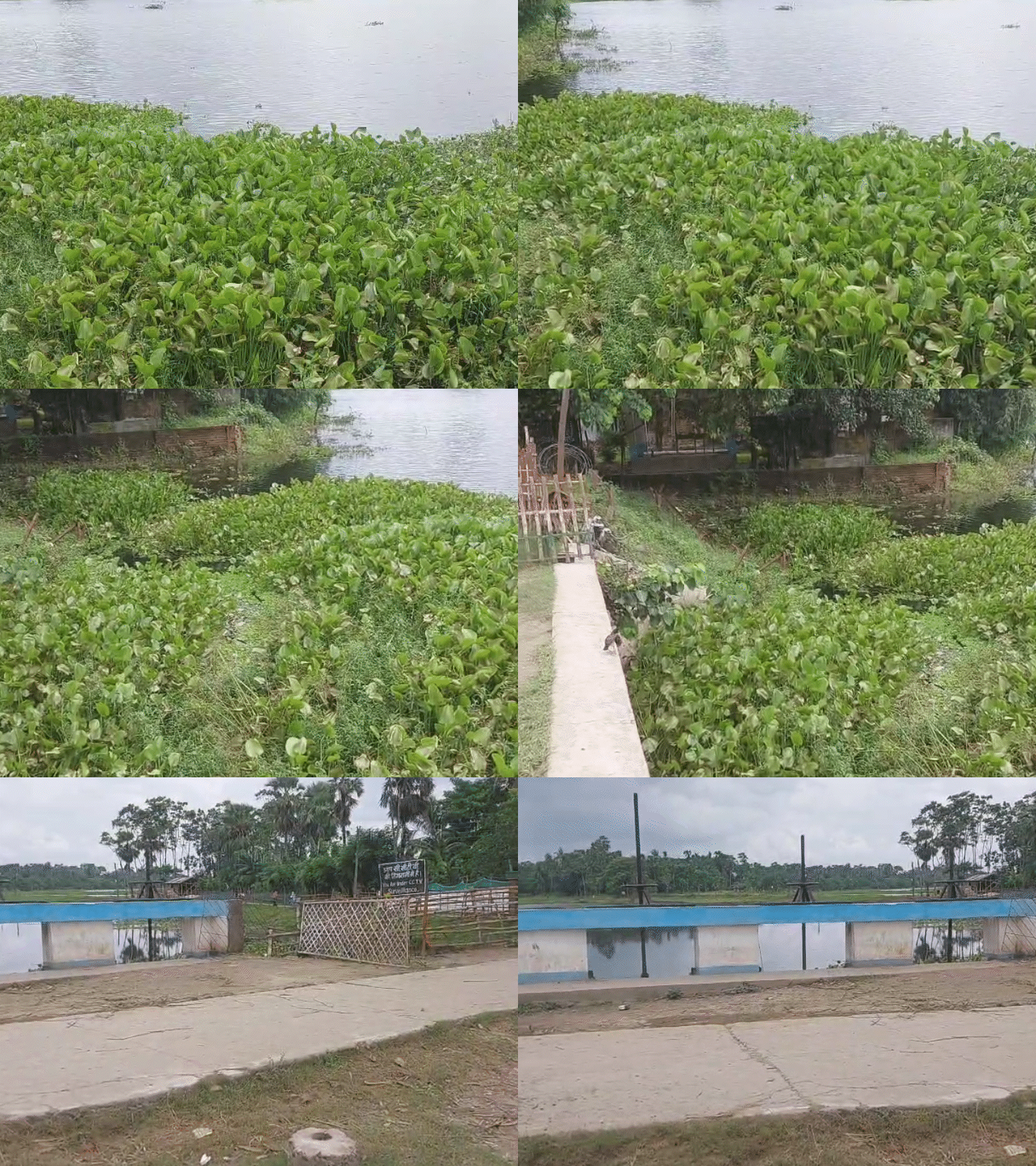
The Kapotaksha River, flowing through Bangladesh before skirting India’s border near Bagda, has once again spilled into Indian territory, submerging hundreds of bighas of farmland and leaving farmers staring at ruined crops and mounting losses. Ironically, this year’s flooding has come despite a sluice gate that was built barely two years ago to prevent exactly such a disaster.
Now, angry farmers are alleging poor construction, substandard materials, and administrative negligence, demanding that the government demolish the existing structure and build a new one.
A ₹13-lakh solution that failed
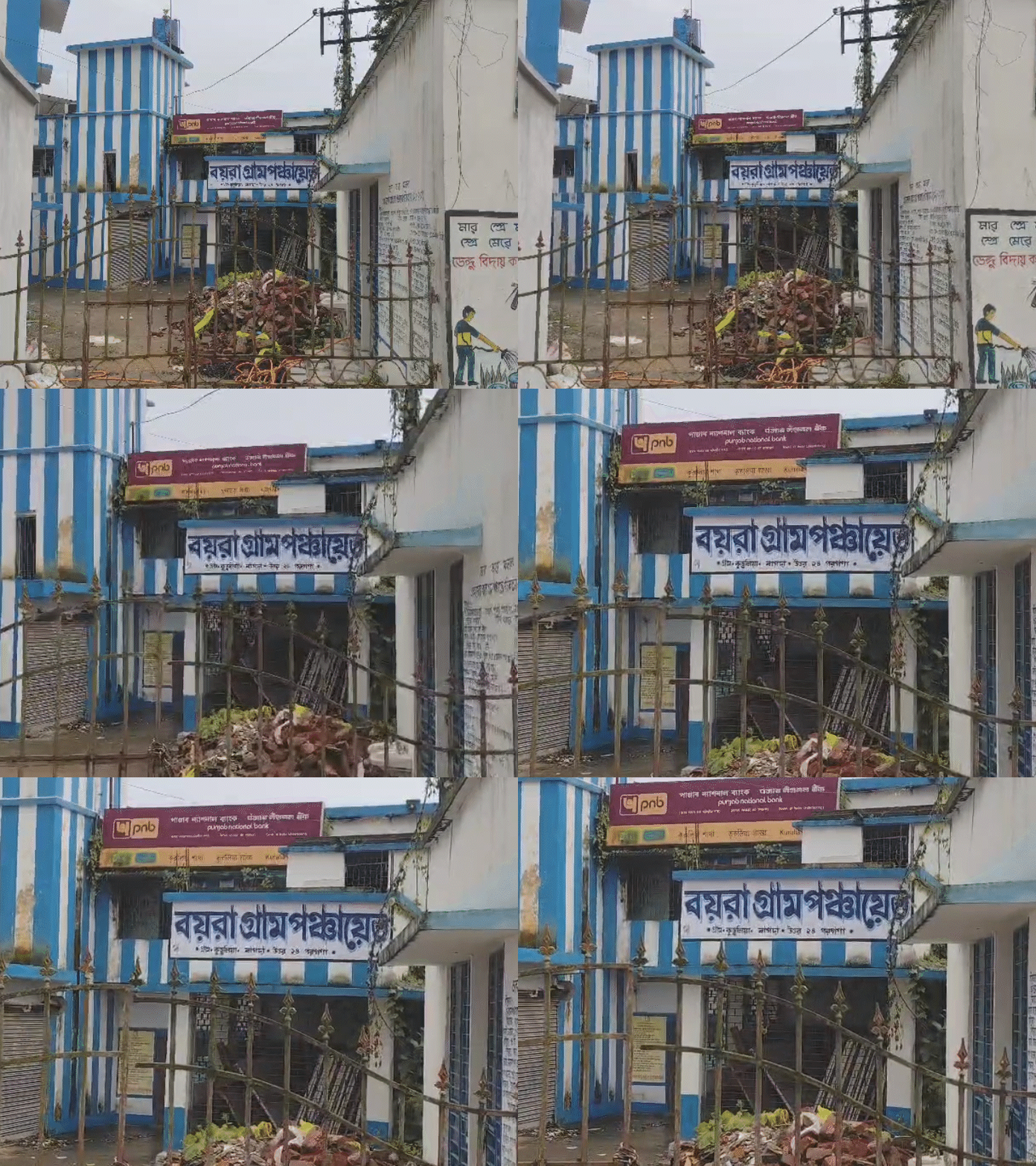
For decades, villages such as Lakshmipur and Mehrani under Boyra Gram Panchayat suffered annual flooding whenever the Kapotaksha swelled during the monsoon. The overflowing river from Bangladesh would inundate nearly 500 to 700 bighas of agricultural land on the Indian side.
Responding to repeated demands from residents, the administration, with the Centre’s approval and state government support, constructed a sluice gate near Bagmaritala cremation ground, close to the international border.
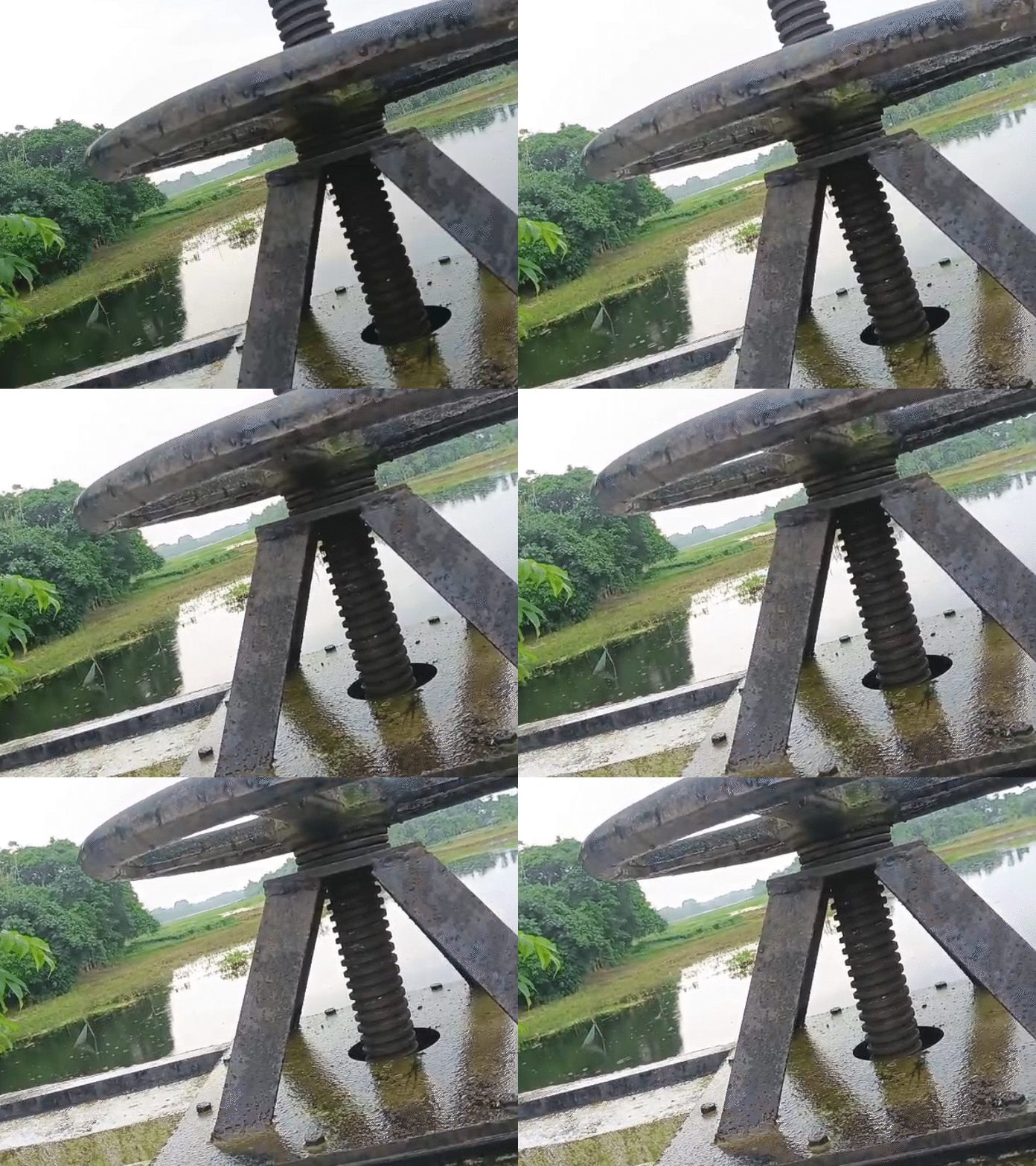
Around ₹13 lakh was reportedly spent on the project, which was expected to protect farmlands by blocking floodwaters from entering India. But the barrier itself has become the problem.
Floodwater sneaks through the structure
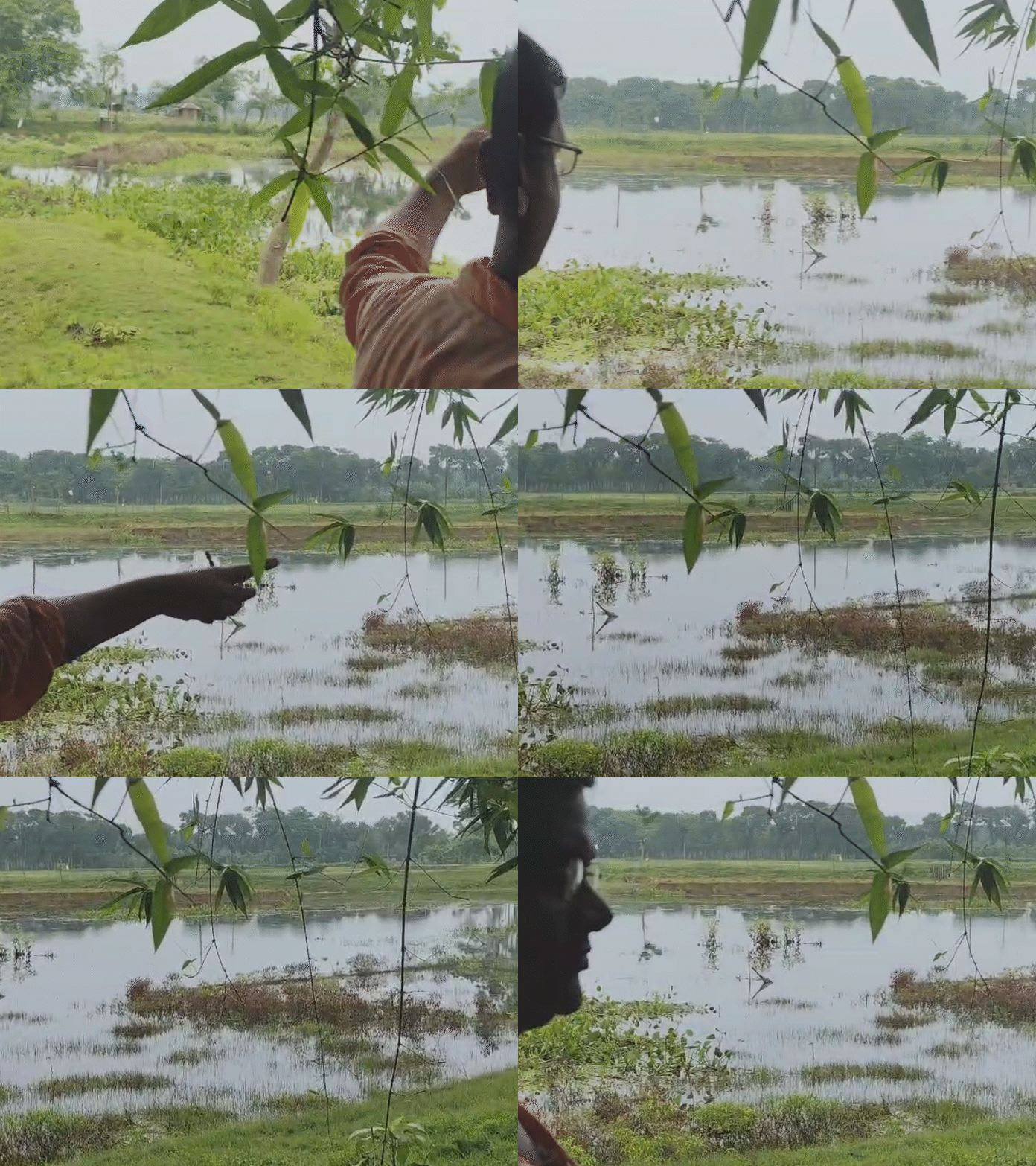
Instead of stopping the river, water has entered through the sluice gate, flooding vegetable fields and paddy land. Standing knee-deep in water, farmer Amirul Mondal points towards his submerged pointed gourd (potol) cultivation.
“Several bighas of my crop are underwater. Months of hard work have been washed away,” he says.
Other farmers, including Santosh Biswas and Iyarul Mondal, narrate similar stories of standing crops destroyed within hours after heavy rain raised the river’s level.
‘Poor-quality construction’ under scanner
The farmers allege that the sluice gate was built using inferior materials during the previous Trinamool Congress government. According to farmer leader Santosh Biswas, the structure was unable to withstand monsoon pressure, allowing floodwater to seep into India.
“Hundreds of bighas are submerged because of poor construction. We demand a proper investigation and compensation for affected farmers,” he says.
Residents are now urging the administration to rebuild the sluice gate with better engineering standards before next year’s monsoon.
Politics enters the flooded fields
The issue has also triggered political sparring. BJP leader Debabrata Dhali alleged that corruption during the previous Trinamool regime compromised even projects along the sensitive international border.
“The local farmers are paying the price for corruption. We will demand a new sluice gate and relief for every affected cultivator,” he said.
The Trinamool Congress has not yet publicly responded to these allegations.
A border that water refuses to recognise
Unlike fences or checkpoints, rivers pay little attention to political boundaries.
The Kapotaksha continues to flow naturally across Bangladesh and India, turning what should have been a symbol of cross-border geography into a recurring humanitarian and agricultural crisis. For the farmers of Bagda, however, this is not about geopolitics.
It is about livelihoods
Each flooded field means another season without income, another loan to repay, and another year of uncertainty. Until a permanent engineering solution is found, hundreds of farming families living along the India-Bangladesh border will continue to fight the same battle every monsoon, against a river that refuses to stop at the border.