
The parliamentary deadlock over the Public Examinations (Prevention of Unfair Means) Amendment Bill, 2026, is expected to end on Tuesday after major political parties agreed to begin a discussion on the legislation, news agency ANI reported quoting sources.
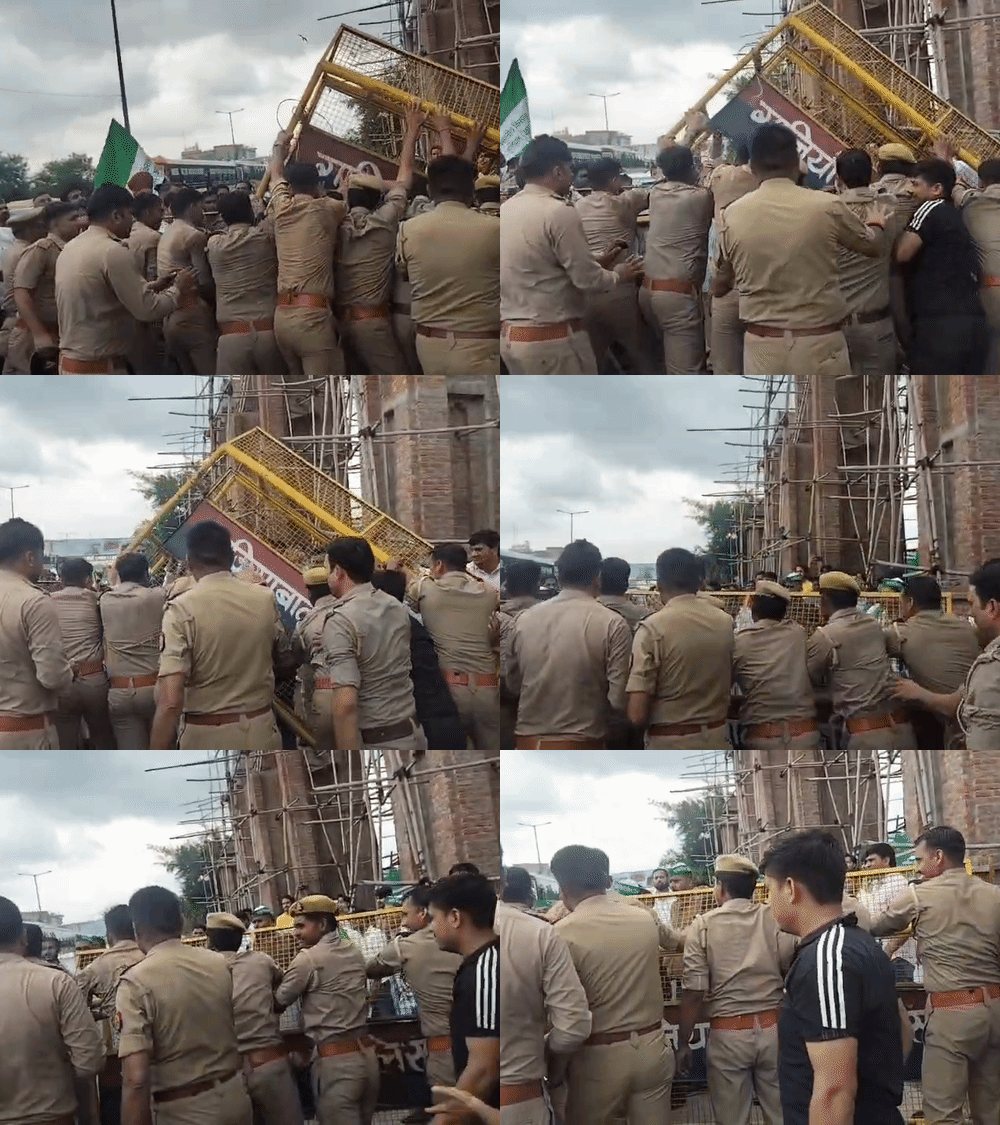
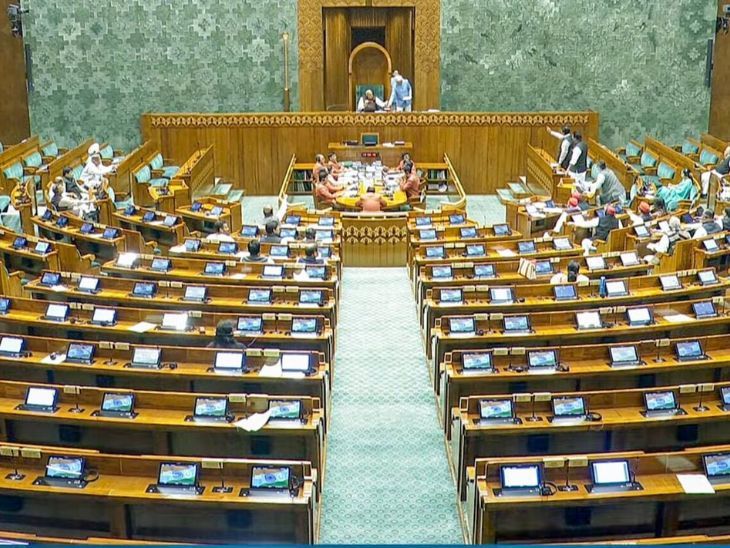
The breakthrough follows a day of disruptions in both Houses of Parliament, where proceedings were repeatedly interrupted by Opposition protests. The Lok Sabha and the Rajya Sabha were eventually adjourned for the day and are scheduled to resume at 11 am on Tuesday.
Sources said the consensus emerged after Lok Sabha Speaker Om Birla held consultations with floor leaders of various political parties. The sustained dialogue, coupled with the Speaker’s initiative to facilitate discussions, is understood to have helped bridge differences between the ruling alliance and the Opposition.
Speaker offers six-hour debate
Earlier in the day, Birla had proposed a dedicated six-hour discussion on the Public Examinations Bill, underlining the need for a united approach to overhaul India’s competitive examination system.
The Bill could not be taken up as scheduled because of continued protests by Opposition members. It had been listed for discussion in the Lok Sabha after its introduction by Union Minister Jitendra Singh.
According to sources, both the government and the Opposition have now agreed to hold a detailed debate on the legislation on Tuesday.
Bill seeks tougher action against paper leaks
The Public Examinations (Prevention of Unfair Means) Amendment Bill, 2026 was brought forward against the backdrop of nationwide protests over the NEET-UG paper leak. It seeks to strengthen the legal framework to combat paper leaks, organised examination mafias, cheating and other unfair practices in public examinations.
Among its key provisions, the Bill proposes increasing the punishment for individuals convicted under the law from up to five years’ imprisonment to a minimum of five years, extendable to ten years, along with a fine of up to Rs 50 lakh.
For offences involving organised crime, the minimum prison term is proposed to be increased from five years to seven years, while the maximum fine would rise to Rs 10 crore.
The proposed amendments also provide for the establishment of special fast track courts to hear cases under the act.
Rijiju urges Opposition to allow debate
Ahead of the expected discussion, Union Parliamentary Affairs Minister Kiren Rijiju appealed to Opposition parties to allow the House to debate the legislation, saying the government was willing to extend the allotted time if required.
The discussion on the Bill is now expected to begin when Parliament reconvenes at 11 am on Tuesday, ending the impasse that stalled proceedings on Monday.