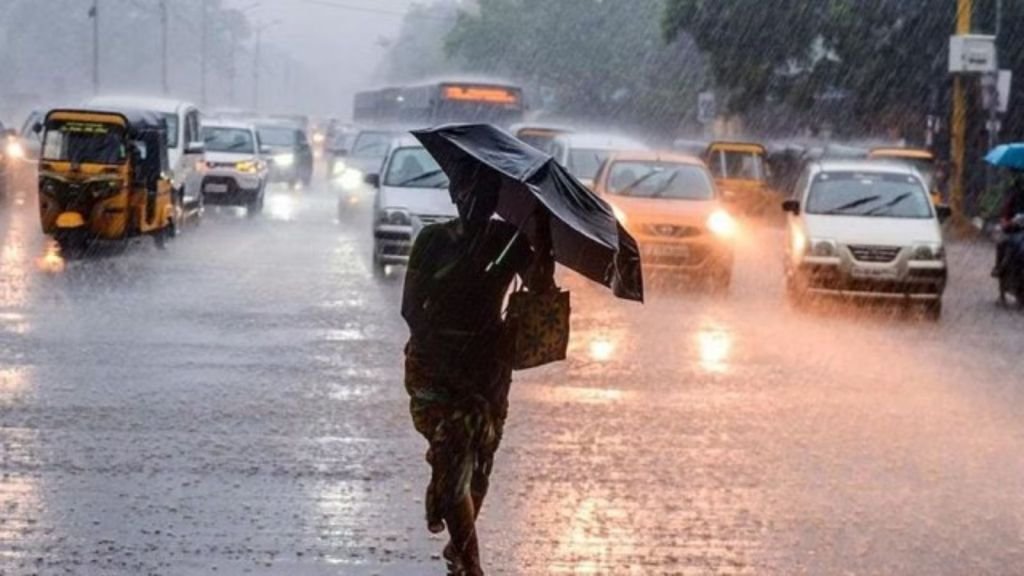

Several parts of southern India are preparing for further rainfall as the India Meteorological Department (IMD) continues to issue weather warnings for the ongoing monsoon transition. Forecasts issued on October 17, 2026, indicated the possibility of heavy to very heavy rainfall in parts of Karnataka, while Tamil Nadu and Puducherry were also expected to experience significant rainfall during the coming days.
The warnings are important for residents, commuters, farmers and local authorities because heavy rainfall can affect road traffic, drainage systems, agricultural activity and public transport. Weather conditions may vary considerably between districts, making it important for residents to follow location-specific forecasts rather than assume that every part of a state will experience the same conditions.
Northeast Monsoon Brings Fresh Rainfall Activity
The northeast monsoon is an important seasonal weather system for southern India, particularly Tamil Nadu and neighbouring coastal areas. It typically brings rainfall during the latter part of the year and plays a significant role in replenishing water resources. Unlike the southwest monsoon, which brings widespread rainfall to much of India during the summer months, the northeast monsoon is particularly important for Tamil Nadu and parts of the southeastern peninsula.
Rainfall during this period can support agriculture and improve water availability in reservoirs. However, intense or poorly distributed rainfall can also lead to waterlogging, local flooding and disruptions to daily life. The onset and progress of the season do not mean that rainfall will be uniform across the region. Local atmospheric conditions, wind patterns and weather systems can cause some districts to receive much heavier rain than nearby areas. Residents should therefore use official forecasts to understand the likely conditions in their specific location.
Karnataka Faces Heavy Rainfall Warnings
The IMD’s October 17 warning for Karnataka indicated very heavy rainfall in parts of coastal Karnataka and South Interior Karnataka on the first day of the forecast period. Additional warnings for heavy rainfall and thunderstorms extended into subsequent days, with conditions varying by region. Heavy rainfall can create challenges in urban areas where drainage systems may struggle to manage large volumes of water in a short period. Low-lying streets, underpasses and poorly drained residential areas are particularly vulnerable to water accumulation.
Commuters may face slower journeys when roads become waterlogged or visibility declines. Two-wheeler riders and pedestrians may face additional risks when strong winds, lightning or sudden downpours occur.
In rural areas, rainfall can affect agricultural work, local roads and the movement of goods. Farmers may need to adjust harvesting, transport and field activities according to the actual weather conditions. The severity of the impact depends on rainfall intensity, the condition of local infrastructure and whether the ground is already saturated from earlier rain.
Tamil Nadu and Puducherry Remain Under Weather Watch
The IMD’s warning for Tamil Nadu and Puducherry also indicated the possibility of very heavy rainfall on October 17, followed by further heavy rainfall warnings over the subsequent days. The forecast included additional periods of significant rainfall later in the week. For Chennai and other urban centres, heavy rain can place pressure on stormwater drains and traffic networks. Even relatively short periods of intense rainfall may cause congestion if water collects on major roads or at low-lying junctions.
Residents should check local municipal announcements and transport updates when weather conditions deteriorate. People travelling to work, school or medical appointments may need additional time for their journeys. Coastal communities should also pay attention to official weather and marine advisories. Fishing activity and other work at sea should be guided by the warnings issued by the relevant authorities.
Forecasts can change as weather systems develop, so an alert issued for a particular period should be checked again before making plans.
Heavy Rain Can Affect Daily Life and Essential Services
The impact of heavy rainfall extends beyond traffic. Water accumulation can affect electricity distribution, telecommunications equipment, drinking-water systems and access to essential services in vulnerable areas. Schools and colleges may need to respond to local conditions if authorities issue specific closure instructions. However, a state-wide weather warning does not automatically mean that all educational institutions will remain closed. Residents should rely on announcements from district administrations, education departments and individual institutions rather than unverified messages circulating online.
Businesses may also need contingency arrangements when staff cannot travel safely or deliveries are delayed. Shops, warehouses and small enterprises in flood-prone locations can reduce risks by protecting electrical equipment, storing important documents safely and keeping emergency contact details accessible. Local authorities play a critical role in clearing blocked drains, managing traffic and responding to reports of waterlogging. Timely communication can help residents avoid affected areas and reduce unnecessary travel.
Safety Measures During Heavy Rain
People living in areas under a heavy rainfall warning should take practical precautions before conditions worsen. Avoid walking or driving through flooded roads because water depth and the condition of the road surface may be difficult to judge. Underpasses and low-lying crossings can become dangerous when water rises rapidly. Residents should stay away from fallen electrical wires and report damaged infrastructure to the appropriate authorities. During thunderstorms, it is safer to remain indoors and avoid exposed locations.
Households in flood-prone neighbourhoods should keep essential medicines, drinking water, charged mobile phones and important documents ready in case local conditions deteriorate. People who depend on regular medical treatment should also plan ahead if travel may become difficult. Motorists should check their routes before starting a journey and allow extra time when rain is expected. Two-wheeler riders should exercise particular caution because wet roads can reduce grip and visibility. These precautions are useful even when the forecast does not indicate a major emergency, as sudden weather changes can create local hazards.
Farmers and Water Management Systems
Rainfall during the northeast monsoon can be beneficial for agriculture, particularly in regions where seasonal crops depend on reliable precipitation. It can also help replenish reservoirs and other water sources. However, excessive rain over a short period may damage crops, delay harvesting and affect the quality of agricultural produce. Fields with poor drainage may remain waterlogged, making it difficult for farmers to carry out routine work.
Agricultural authorities can help farmers respond by providing district-specific weather guidance and advice on drainage, crop protection and suitable field operations. Reservoir operators and local administrations also need to monitor rainfall and water levels carefully. Effective water management can help capture useful rainfall while reducing the risks associated with excessive inflows. The overall agricultural impact will depend on the distribution of rainfall, the stage of crop growth and conditions in individual districts.
Residents Should Follow Official Forecasts
The latest IMD warnings highlight the need for continued attention to weather conditions across southern India. Heavy rainfall can provide important water resources, but it also requires preparation from households, businesses and public authorities. Residents should check the latest forecasts through the official IMD website and follow instructions issued by local administrations. Emergency announcements should take priority over older forecasts or unverified social media updates.
The coming days will be important for monitoring how rainfall develops across Karnataka, Tamil Nadu and Puducherry. Localised conditions will determine whether particular areas face traffic disruptions, waterlogging or more serious flooding. For readers following the India weather forecast, the most useful information is the latest district-level warning, the expected duration of rainfall and the safety guidance issued by authorities. Staying informed and making practical preparations can help communities reduce the risks associated with severe weather.