
- English News
- National
- Maharashtra UCC Panel: Ex SC Justice Ranjana Desai Leads Draft Rules | UCC Maharashtra
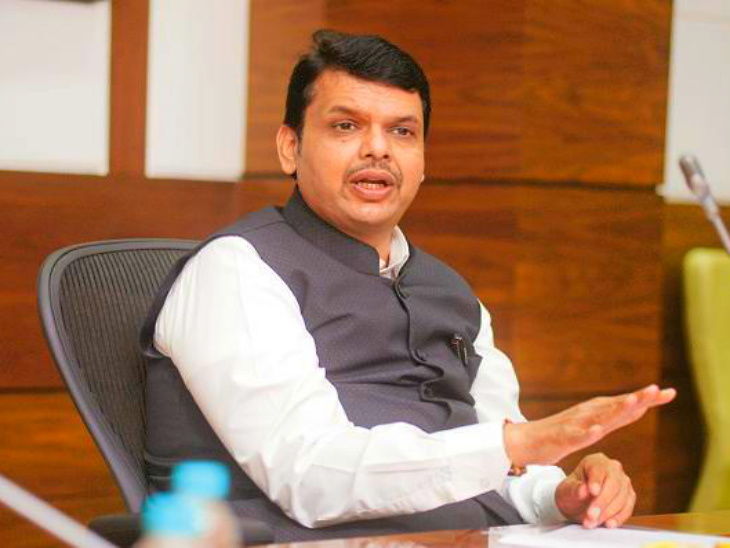
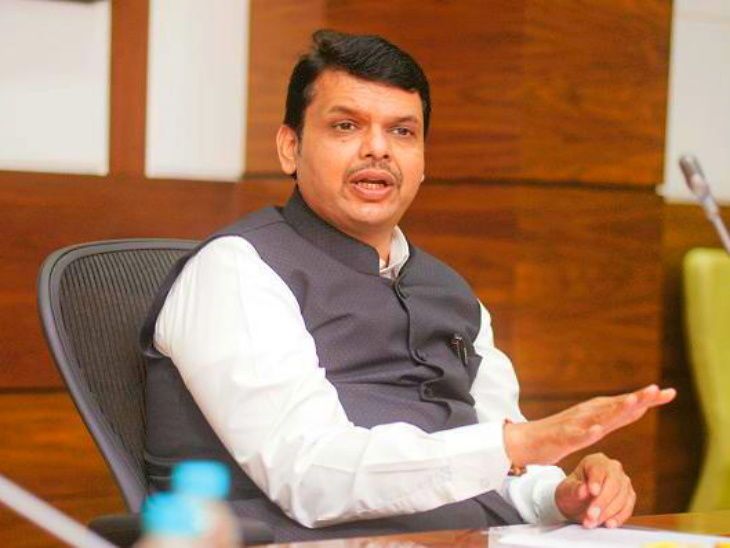
Maharashtra Chief Minister Devendra Fadnavis has announced in the Maharashtra Assembly a committee to draft Uniform Civil Code (UCC) rules in the state under former SC Justice Ranjana Desai.
The committee consists of three former judges from the Supreme Court/High Court, one constitutional expert, one former bureaucrat and two members from the social sector.
The committee, headed by former SC Justice Ranjana Desai, will have the following members: former HC Justice RC Chavan, former HC Justice SG Mehere, former Chief Secretary DK Jain, former Advocate General Birendra Saraf, social activist Ramesh Patange and educationist Suvarna Rawal.
West Bengal’s committee headed by Ranjana Prakash Desai has been constituted to prepare the UCC draft.
Report within six months
Fadnavis said the committee will undertake a comprehensive study of all legal, social and administrative aspects related to the Uniform Civil Code and submit its recommendations to the state government within six months.
Based on the committee’s report, the state government will prepare the final draft of the Uniform Civil Code.
Government aims to introduce Bill in Winter Session
The Chief Minister said the government will make efforts to introduce and pass the Uniform Civil Code Bill in both the Legislative Assembly and the Legislative Council during the Nagpur winter session.
He added that the government would follow all necessary constitutional and legal procedures to ensure effective implementation of the Uniform Civil Code in Maharashtra.
Government had initiated UCC process last week
Last week, the Maharashtra government initiated the process of framing a Uniform Civil Code for the state, marking a significant step in the debate over personal laws and legal uniformity in India.
Speaking on the issue, Fadnavis reiterated the government’s commitment to introducing the law, saying that the concept of a Uniform Civil Code is supported by the Directive Principles of State Policy in the Constitution.
Referring to the vision of Dr B.R. Ambedkar, he said a common civil framework would uphold the constitutional principles of equality and uniformity in matters such as marriage, divorce, inheritance and adoption.
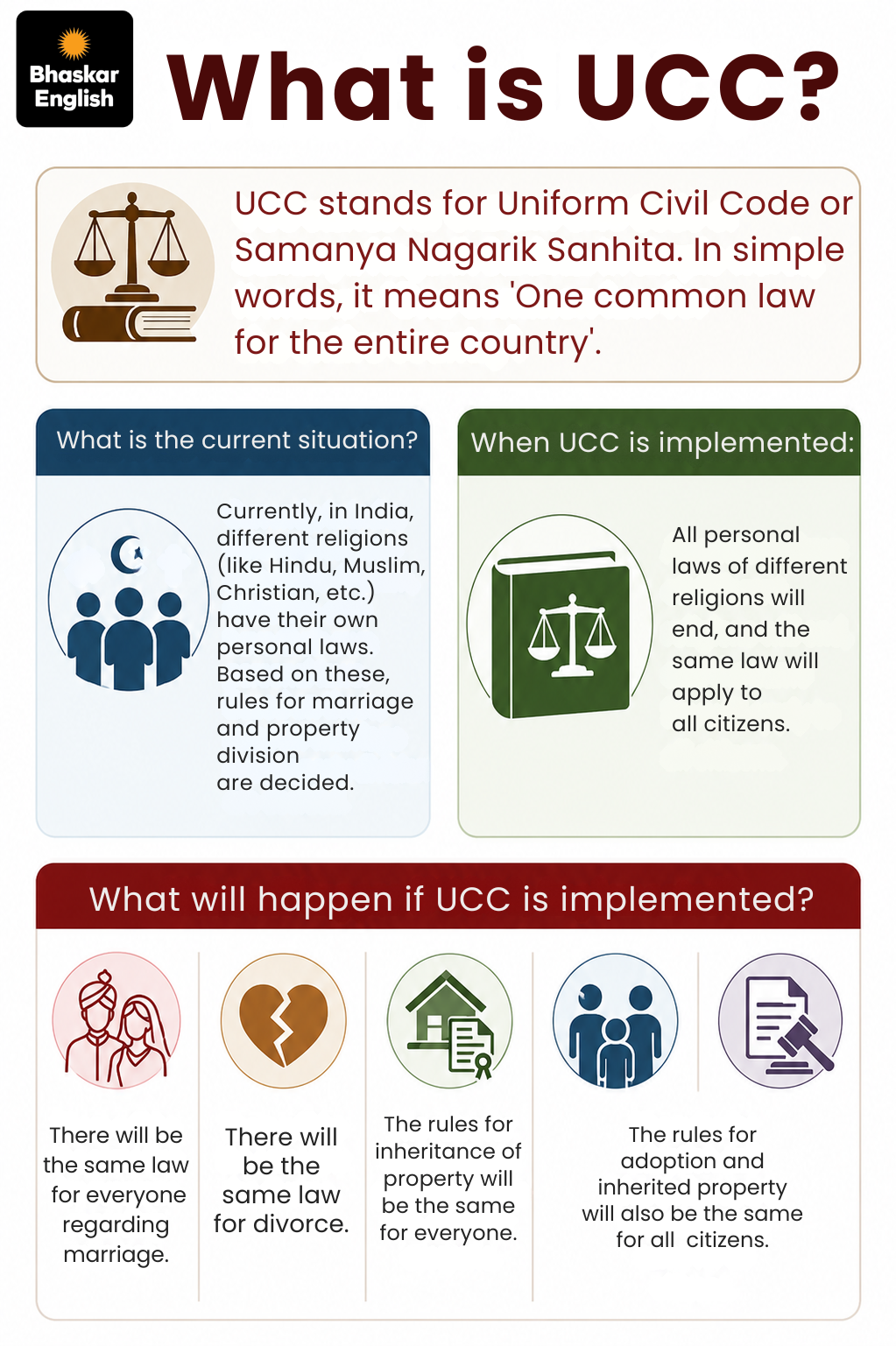
FAQs on the UCC
Q: Will the UCC apply to all religions?
A: The proposed law aims to introduce a common civil law for all citizens. However, Scheduled Tribes may be exempt under constitutional provisions.
Q: Will religious customs and traditions end?
A: The UCC primarily deals with civil matters. It is not considered to have a direct impact on religious practices, modes of worship, or matters of faith.
Q: Will the law come into force immediately after it is passed?
A: The Bill will come into effect only after it is passed by the Assembly, receives the Governor’s assent, and is officially notified.
So far, UCC Bills have been passed in three states, implemented in one
January 2025: Uttarakhand becomes the first state to implement the UCC
The UCC Bill was introduced in the Assembly on 6 February 2024 and passed on 7 February 2024. It received the President’s assent on 11 March 2024. The implementation committee submitted the rules to the government on 18 October 2024, and the Cabinet approved them on 20 January 2025. Uttarakhand thus became the first state to implement the UCC after Independence.
March 2026: Gujarat becomes the second state to pass the UCC Bill
The Gujarat Assembly passed the Uniform Civil Code (UCC) Bill in March 2026, making it the second state in the country to do so. Chief Minister Bhupendra Patel introduced the Bill in the Assembly. The Congress staged a walkout during voting, and the Bill was passed by a majority.
May 2026: Assam becomes the third state to pass the UCC Bill
The Assam Assembly introduced the Uniform Civil Code (UCC) Bill on 27 May 2026, and it was subsequently passed. According to Chief Minister Himanta Biswa Sarma, Scheduled Tribes (Hills) and Scheduled Tribes (Plains) will remain outside the scope of the UCC. It will also exempt “traditional religious customs, practices, and rituals.”
Goa had a UCC even before Independence
Goa already follows a Uniform Civil Code under the Portuguese Civil Code, which predates India’s Independence. Uttarakhand is the first Indian state to implement a Uniform Civil Code after Independence.
In 1835, the British government presented a report calling for a uniform set of laws across the country on criminal evidence and contracts. These provisions were implemented in 1840, but separate personal laws for Hindus and Muslims were retained. This marked the beginning of the demand for a Uniform Civil Code.
In 1941, the BN Rau Committee was constituted, which recommended a uniform civil code for Hindus.
After Independence, the Hindu Code Bill was first introduced in the Constituent Assembly in 1948. It aimed to reform Hindu personal laws and free Hindu women from practices such as child marriage, sati, and purdah.