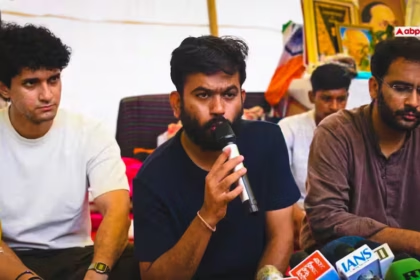
Security arrangements have been strengthened across New Delhi ahead of a planned protest on October 10 against the ongoing revision of electoral rolls. The demonstration is expected to bring together youth activists, civil society groups and opposition supporters who have raised concerns about the removal of names from voter lists under the Special Intensive Revision process.
The protest has placed the Election Commission’s voter verification exercise at the centre of a wider political debate. Opposition parties and campaigners have demanded the resignation of Chief Election Commissioner Gyanesh Kumar, alleging that the process has unfairly affected eligible voters. The Election Commission and the government have rejected claims of political interference, maintaining that the exercise is intended to identify duplicate, incorrect and ineligible entries.
Security Arrangements Across the National Capital
According to an Associated Press report published on October 9, authorities have introduced transport restrictions and deployed additional personnel ahead of the planned demonstration at Jantar Mantar, a recognised protest location in the capital. Indian Railways announced the cancellation of several trains serving two New Delhi railway stations for Saturday. The Delhi Metro also announced the closure of 57 stations as part of the security arrangements. Local media reports indicated that approximately 23,000 police personnel had been deployed across the capital.
Authorities have said the restrictions are intended to maintain law and order and prevent disruptions to public movement. However, the measures have also raised concerns among activists who depend on public transport to reach the protest site. The planned demonstration is being led in part by the youth-driven Cockroach movement, which began as an online campaign in May and later expanded into street protests. Its supporters have said they intend to continue their demonstration despite the restrictions.
What Is the Special Intensive Revision of Electoral Rolls
The Special Intensive Revision, commonly known as SIR, is an exercise to review electoral rolls and verify voter information. Electoral rolls are official lists of people eligible to vote in elections. Maintaining accurate records is essential for the functioning of India’s democratic system. Voter lists can require updating when people move to another location, when duplicate entries are identified or when records contain errors. Authorities may also need to remove entries belonging to people who are no longer eligible to remain registered at a particular address.
The controversy centres on how the verification process is being conducted and how affected voters can challenge deletions. According to the Associated Press, more than 130 million names have been removed from voter lists during the revision process, and millions of people have appealed the deletions. Critics argue that obtaining older government records and other supporting documents can be difficult for some citizens. The concern is particularly significant for people who have moved frequently, lack access to documentation or face administrative barriers. For such voters, the ability to verify their details and correct mistakes can become a critical part of protecting their electoral rights.
Opposition Parties Raise Questions About Fairness
Opposition parties have accused the authorities of carrying out the voter list revision in a way that could disproportionately affect their supporters and members of minority communities. They have argued that a large-scale revision requires strong safeguards to prevent eligible voters from being removed incorrectly.
These allegations have intensified political tensions and contributed to demonstrations in several locations. Opposition leaders have also demanded accountability from the Election Commission, making the issue a prominent part of the current political debate.
The Election Commission and the central government have rejected allegations that the exercise is politically motivated. Their stated position is that the process is designed to remove duplicate and ineligible entries and improve the accuracy of electoral rolls. The competing claims underline the importance of transparency. A voter verification exercise can strengthen electoral integrity when it is conducted fairly, but public confidence may suffer if citizens believe the procedure is difficult to understand or challenge. Independent scrutiny, clear documentation requirements and accessible appeal mechanisms can help address concerns without undermining the legitimate objective of maintaining accurate voter records.
Why the Issue Matters for Indian Democracy
India conducts elections on a vast scale, with electoral rolls forming the foundation of the voting process. If records are inaccurate, election authorities face difficulties in ensuring that eligible citizens can vote and that electoral procedures are administered properly. At the same time, the removal of an eligible voter’s name can prevent that person from exercising a fundamental democratic right. This makes the verification and appeals process particularly important.
The issue is not limited to political parties. Ordinary voters need reliable information about checking their names, correcting personal details and responding to official notices. Local election offices and public awareness campaigns can play a significant role in helping citizens navigate these procedures. Authorities can also strengthen public confidence by communicating the reasons for deletions clearly and ensuring that appeals are handled within a reasonable period. These steps would help separate genuine administrative corrections from concerns about unfair treatment.
Public Transport Restrictions Add to the Debate
The transport restrictions introduced ahead of the October 10 protest have become another point of discussion. Large demonstrations can create security challenges in a densely populated city, particularly when railway stations, metro services and busy roads are involved. However, transport closures can also affect students, workers, patients and other residents who have no connection with the demonstration.
Authorities therefore face the task of maintaining public safety while minimising inconvenience to the wider public. Clear public announcements, alternative travel information and proportionate security measures can help reduce disruption. The handling of the protest may influence public perceptions of how authorities balance public order with peaceful assembly.
The Road Ahead
The voter list revision is likely to remain an important national political issue as campaigners continue to press for answers and authorities defend the verification process. The immediate focus is on the planned demonstration and the security measures surrounding it. The larger issue concerns the credibility of electoral administration. Accurate voter lists, fair procedures and accessible appeals are essential for maintaining confidence in elections.
A transparent review process can help address genuine errors, while timely communication can reduce confusion among eligible voters. As the debate continues, the manner in which concerns are examined will be important for public trust in India’s electoral institutions.