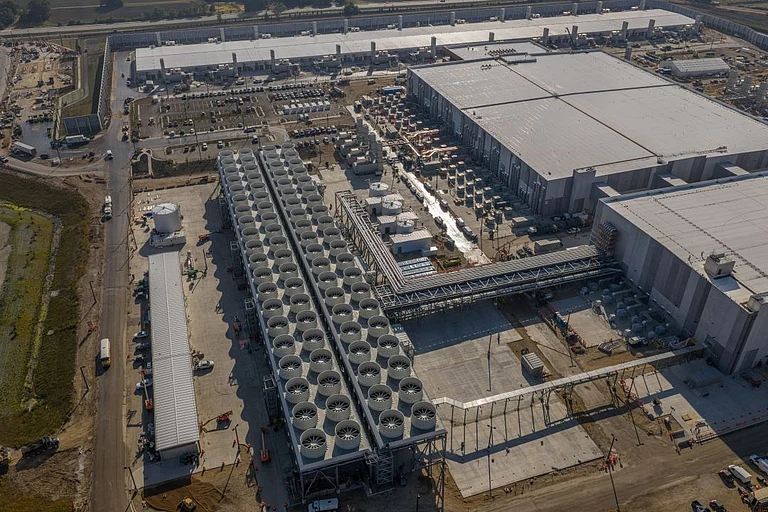

India is attracting major investments in artificial intelligence infrastructure as global technology companies look to expand their digital operations. However, the rapid development of AI data centres is also creating concerns among residents living near proposed and ongoing projects. In areas around Mumbai and other parts of the country, people are raising questions about the environmental impact of these facilities, particularly their demand for electricity, water and land. The debate highlights a growing challenge for India’s digital economy. While large technology investments can strengthen the country’s position in the global AI industry, local communities want development projects to protect their neighbourhoods and natural resources.
Amazon’s Data Centre Project Near Mumbai Draws Attention
A major point of concern has emerged around an Amazon data centre project in the Thane area, near Mumbai. According to a Reuters report published on October 9, residents living close to the construction site have raised objections over tree removal, construction-related noise and the possible pressure on local infrastructure. Amazon has announced plans to invest $21 billion in Indian AI infrastructure by 2030. The investment reflects the increasing importance of data centres, which provide the computing capacity required to store information, run online services and support artificial intelligence applications.
However, some residents have argued that the project could affect the quality of life in nearby residential areas. More than 1,000 residents have reportedly expressed concerns about the project’s planning and consultation process. Some have called for the facility to be relocated away from residential neighbourhoods. The company has defended its plans, stating that the facility will use water-free cooling, a dedicated electricity supply separate from nearby homes and noise-reduction measures. Amazon has also said that more saplings have been planted than the number of trees removed. These assurances are important, but residents’ concerns show that large infrastructure projects require transparent communication with the people who live nearby.
Why AI Data Centres Need Large Resources
AI data centres are specialised facilities that house computer servers, networking equipment and storage systems. They support services such as cloud computing, digital payments, online shopping, video streaming and generative AI tools. As businesses and individuals increasingly depend on digital platforms, demand for computing power is rising. Artificial intelligence systems also require substantial processing capacity, particularly when companies train advanced models or operate AI services for millions of users.
This expansion creates an infrastructure challenge.
Data centres need reliable electricity throughout the day, while cooling systems must prevent equipment from overheating. Depending on the technology used, these facilities can also consume significant amounts of water. India faces an additional concern because freshwater resources are unevenly distributed and several urban areas already experience water shortages. A Reuters report cited estimates suggesting that 60% to 80% of Indian data centres could face high water stress during this decade. The growing demand for digital infrastructure therefore makes energy efficiency, water management and responsible site selection increasingly important.
Google and Microsoft Also Expand Their AI Infrastructure Plans
The debate extends beyond one company or one city. Major global technology firms are investing heavily in India’s digital infrastructure as they seek to serve businesses and consumers across the country. Microsoft has announced a four-year investment plan worth $20.5 billion for India, with much of the planned spending directed towards AI data centres. Google has also proposed a major data centre project in Andhra Pradesh, where environmental concerns have been raised over water, electricity, wildlife and land use. Such investments could strengthen India’s position as a destination for cloud computing and AI-related services.
They may also support construction, equipment supply, engineering and other associated industries. However, the economic benefits will depend on how projects are planned and implemented. Residents may remain dissatisfied if the immediate effects of construction are visible while the promised economic benefits are less clear. The location of a data centre can make a major difference. Industrial areas with suitable power infrastructure, reliable water arrangements and sufficient distance from homes may be better suited to facilities that operate continuously.
Balancing Digital Growth With Environmental Responsibility
India’s ambition to become a major AI infrastructure hub is closely connected to its broader digital development strategy. The country already has a large technology workforce, expanding internet access and a growing market for digital services. At the same time, infrastructure expansion cannot be separated from environmental planning. Companies and authorities need to assess the likely impact of large facilities before construction begins, including electricity demand, cooling methods, noise levels, traffic and the availability of local resources.
Public consultation can also help reduce disputes. Residents should have access to clear information about construction schedules, environmental safeguards, water arrangements and systems for addressing complaints. Data centre operators can improve public confidence by publishing measurable information about energy efficiency, water use and environmental performance. Independent assessments and regular monitoring could help communities understand whether companies are meeting their commitments.
What This Means for India’s AI Future
The discussion around data centres reflects a wider question about how India will manage the physical infrastructure behind its digital economy. Artificial intelligence is often discussed in terms of software, innovation and employment, but its growth also depends on land, electricity, cooling systems and reliable networks. India has an opportunity to attract global investment while encouraging sustainable infrastructure.
Achieving that balance will require cooperation between technology companies, government authorities, urban planners and local communities. The future of India’s AI industry will not depend only on how quickly new facilities are built. Their long-term success will also depend on whether they operate efficiently, follow environmental safeguards and maintain public trust.