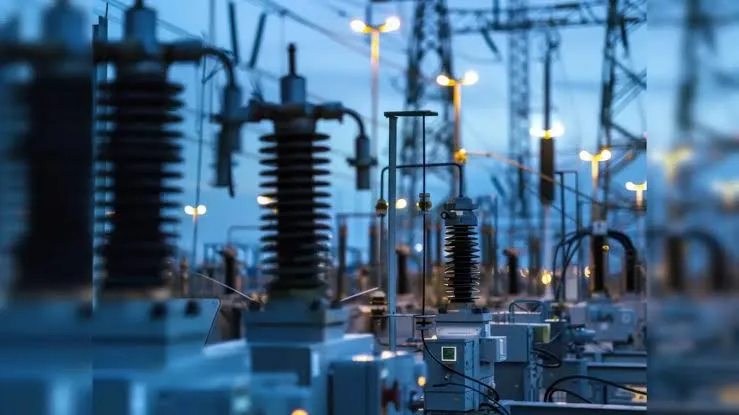

India has approved an emergency electricity supply arrangement for Nepal after devastating floods severely damaged the country’s power infrastructure. Under the arrangement, India will supply up to 654 megawatts of electricity for 18 hours a day until December 31, 2026. The decision comes after a catastrophic disaster triggered by a glacier collapse caused extensive destruction in Nepal and neighbouring areas. More than a dozen hydropower plants were affected, leaving Nepal facing a major electricity crisis at a time when the country is also dealing with the wider consequences of the disaster. Nepal depends heavily on hydropower for electricity generation and also relies on the sector as an important source of export revenue. Damage to power plants and related infrastructure has therefore created consequences beyond the immediate loss of electricity.
The crisis has affected essential services, businesses and communities that depend on stable power supplies. Nepal’s decision to seek additional electricity from India reflects the seriousness of the situation.
The new arrangement highlights the importance of India-Nepal energy cooperation, particularly during a natural disaster. Electricity connections between the two countries have developed over the years, allowing power to move across the border according to seasonal demand and supply conditions. The latest agreement gives that relationship an additional humanitarian dimension. India’s support comes at a time when Nepal is facing an enormous reconstruction challenge. The floods caused widespread damage to infrastructure, including hydropower facilities.
The disaster has also resulted in a significant loss of life and thousands of people remain missing, according to reports. The power shortage could have created further difficulties for rescue and recovery operations. Electricity is needed for hospitals, communication systems, water supply, businesses and other essential services. The arrangement will therefore help Nepal stabilise its electricity network while damaged infrastructure is assessed and reconstruction begins. The decision also underlines India’s position as an important energy partner for neighbouring countries. India has increasingly used cross-border electricity cooperation as part of its regional engagement, particularly in South Asia.
For Nepal, the immediate priority is restoring normal life. Electricity alone cannot solve the consequences of the disaster, but reliable power can help create the conditions required for recovery. The disaster has also raised wider questions about climate vulnerability in the Himalayan region. Nepal’s geography makes it particularly exposed to floods, landslides and other extreme events. Glacial changes and unpredictable weather patterns can increase risks to communities and infrastructure located in vulnerable areas. Hydropower infrastructure is especially important because it supports both domestic electricity consumption and Nepal’s economic ambitions. Damage to power plants therefore affects the country’s energy security as well as its economic plans.
The latest India-Nepal electricity agreement is also significant from a regional perspective. South Asian countries are increasingly looking at cross-border energy networks as a way of improving energy security. India has already developed electricity trade relationships with several neighbouring countries. Greater regional electricity connectivity could allow countries to support one another during periods of shortages or emergencies. For Nepal, however, the current situation is much more immediate. The country needs electricity while simultaneously dealing with the human and economic impact of a major natural disaster.
India’s decision to provide up to 654 MW represents an important emergency response and demonstrates how regional cooperation can become crucial during a crisis.
The coming months will determine how quickly Nepal can rebuild damaged hydropower facilities and restore its energy system. Until then, the additional electricity supply from India is expected to provide much-needed support. The development is also a reminder that energy security is increasingly connected to disaster preparedness, climate resilience and regional cooperation. For India and Nepal, the arrangement could strengthen an already important energy relationship while providing practical assistance during one of Nepal’s most difficult periods in recent years.