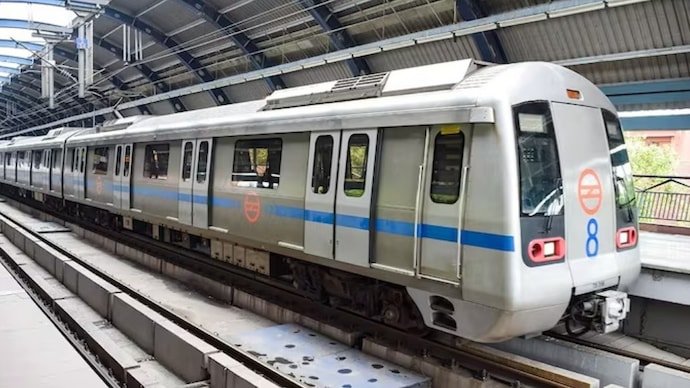

Delhi witnessed heightened security on October 12 as opposition parties prepared to march towards the Supreme Court over allegations concerning electoral roll revisions and the functioning of the Election Commission. Authorities introduced traffic restrictions in central Delhi and temporarily closed six metro stations to manage crowds and maintain public safety. The developments affected commuters, office workers and people travelling through important areas of the national capital.
According to reports published on October 12, the metro restrictions were scheduled to remain in place until 4 pm. The affected stations included key locations in central Delhi, such as Rajiv Chowk, Central Secretariat and Patel Chowk. Commuters were advised to check official Delhi Metro Rail Corporation updates and traffic advisories before beginning their journeys, as security arrangements could affect travel routes and entry or exit at selected stations.
Opposition Raises Concerns Over Electoral Roll Revisions
The INDIA bloc’s proposed march centres on concerns raised by opposition parties regarding the Special Intensive Revision of electoral rolls. Opposition leaders have alleged that the process could lead to unfair exclusions from voter lists and have demanded action against Chief Election Commissioner Gyanesh Kumar. These claims remain political allegations and should be distinguished from findings established through a legal or official process. The Election Commission has maintained that electoral roll revision is intended to improve the accuracy of voter lists.
Such exercises generally seek to remove duplicate or ineligible entries and update records when voters change their residence or when other details require correction. At the same time, accurate implementation and accessible correction procedures are essential to ensure that eligible citizens are not wrongly excluded. The controversy has brought voter registration, electoral transparency and the accountability of public institutions into national political discussion. The legal and political debate is expected to continue through official representations, public statements and proceedings before the relevant authorities.
Supreme Court Proceedings and Public Movement
The Supreme Court has also been part of the wider debate surrounding protest restrictions and public movement in Delhi. Reports have highlighted the need for lawful handling of demonstrations, protection of professional duties and the continued functioning of essential transport services. The court’s proceedings and any subsequent orders remain important for understanding the legal position as the situation develops.
Delhi’s experience demonstrates the challenge of balancing public demonstrations with the daily functioning of a large city. Security arrangements are often required when large gatherings are expected near government buildings and major roads. However, restrictions can also affect commuters, businesses, journalists and residents who are not participating in the demonstrations.
Impact on Delhi Commuters
Temporary metro closures can cause delays even when alternative transport services remain available. Passengers may need to use nearby stations, buses, taxis or other routes, depending on the location of the restrictions. Traffic congestion can also increase around roads leading to protest areas, government offices and court premises.
For regular commuters, checking verified transport updates before travelling is the most practical way to reduce disruption. Employers and institutions may also need to allow additional travel time when major demonstrations are scheduled.
Electoral Transparency Remains a Key Issue
The developments underline the importance of transparent electoral administration, accessible voter-list correction mechanisms and peaceful democratic participation. Political parties may continue to raise concerns, while the Election Commission and courts remain central to the official process for addressing disputes.
The immediate situation in Delhi is likely to depend on security assessments, protest arrangements and further official directions. For citizens, the key priorities remain access to reliable information, uninterrupted essential services and the protection of lawful democratic rights.