
12 days agoAuthor: Anjali Rajgovind
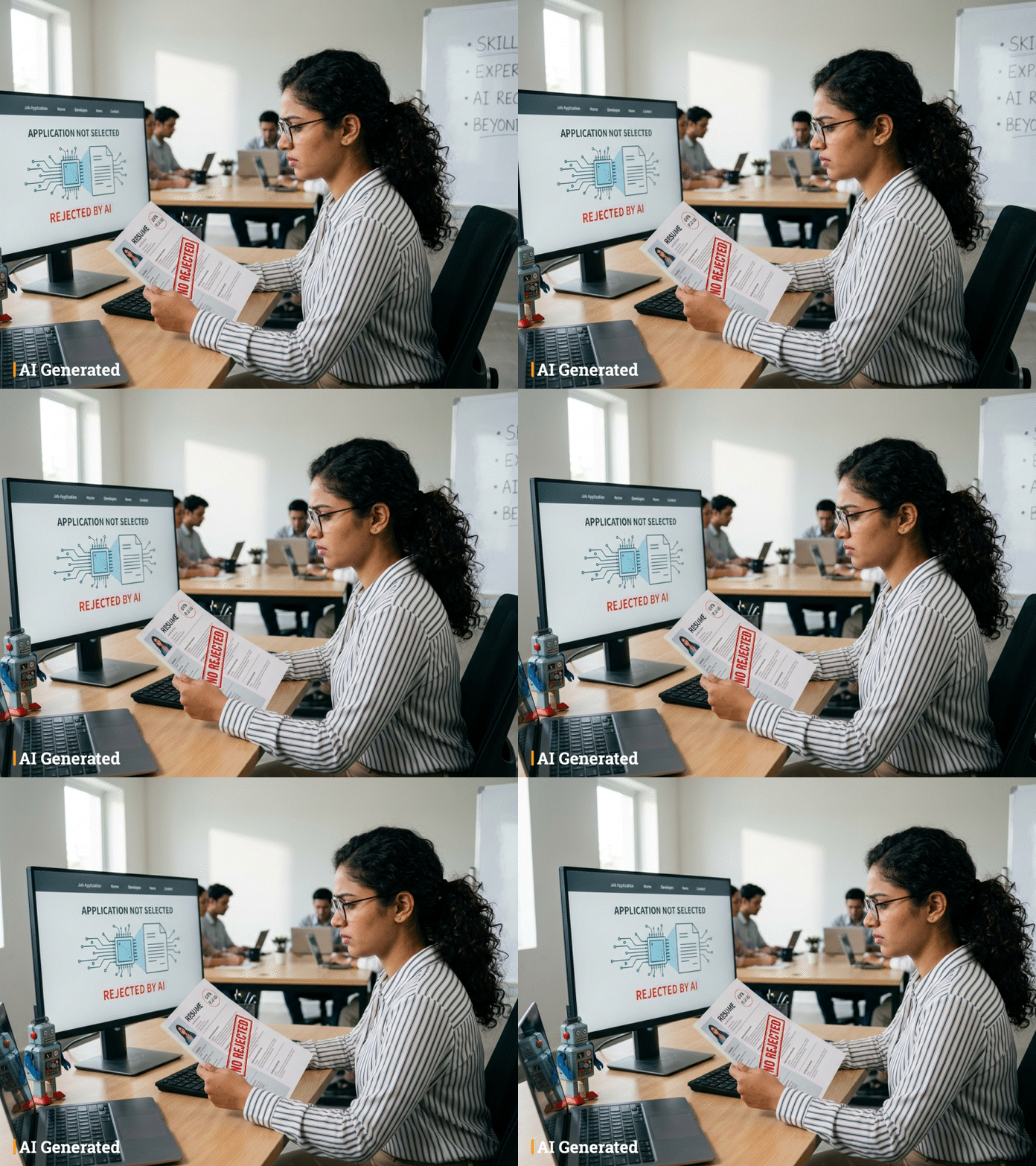

I’ve done everything my teachers told me: good marks, certificates, even online courses. Why am I still struggling to get shortlisted?
This is a question many students, fresh graduates and even professionals looking to switch jobs are asking today.
If you’ve wondered the same, you’re not alone. Read on to find out what the experts say about the hiring ecosystem.
Why are employers saying graduates are both overqualified and underprepared?
- A graduate today often has more qualifications than ever before.
- Many complete online courses, earn certificates and even pursue postgraduate degrees.
- Yet employers say many fresh recruits struggle with everyday workplace tasks.
According to the Mercer-Mettl India Graduate Skill Index 2025, only 42.6% of Indian graduates are considered employable. The gap is not in academic knowledge alone, but in applying it to real work.
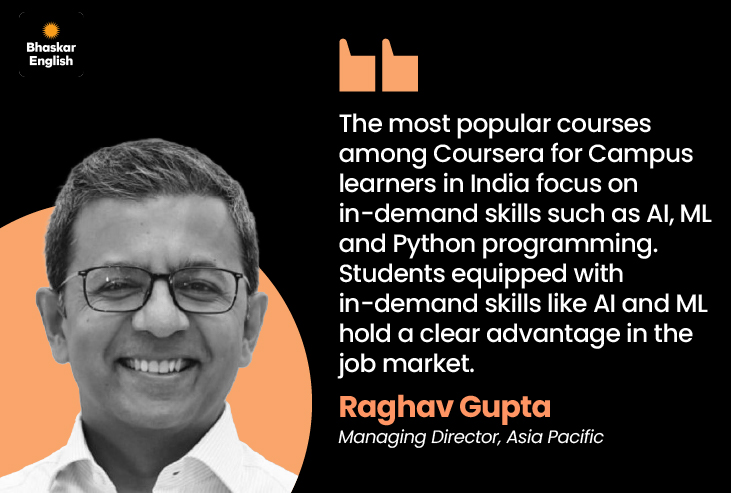
Education leaders say colleges still focus heavily on exams and theory, while workplaces expect practical thinking from day one.
Common gaps include:
- Solving real business problems
- Working with teams
- Communicating ideas clearly
- Adapting quickly to changing situations
Has AI changed the way companies hire fresh graduates?
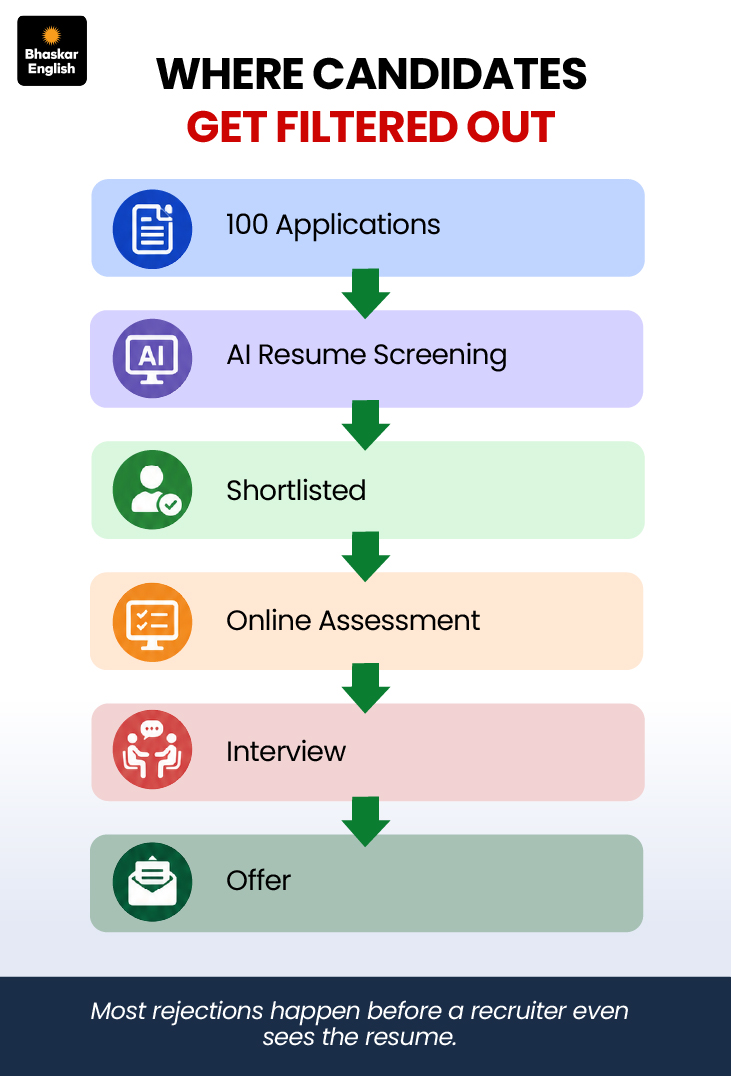
AI is not replacing recruiters. Instead, it is increasingly helping them manage the flood of applications.
- A large company can receive thousands of resumes for a single entry-level role.
- Going through each one manually can take days.
- AI tools can sort applications in minutes by identifying candidates whose qualifications match the job requirements.
- Recruiters then spend more time interviewing shortlisted candidates instead of reading every CV.
Experts say this has made hiring faster, especially for large organisations. However, the final hiring decision is usually still made by people.
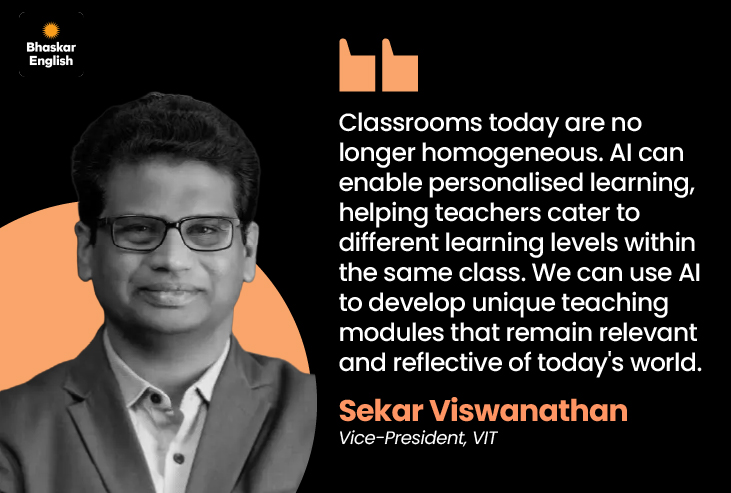
Why might a good candidate get rejected before any interview?
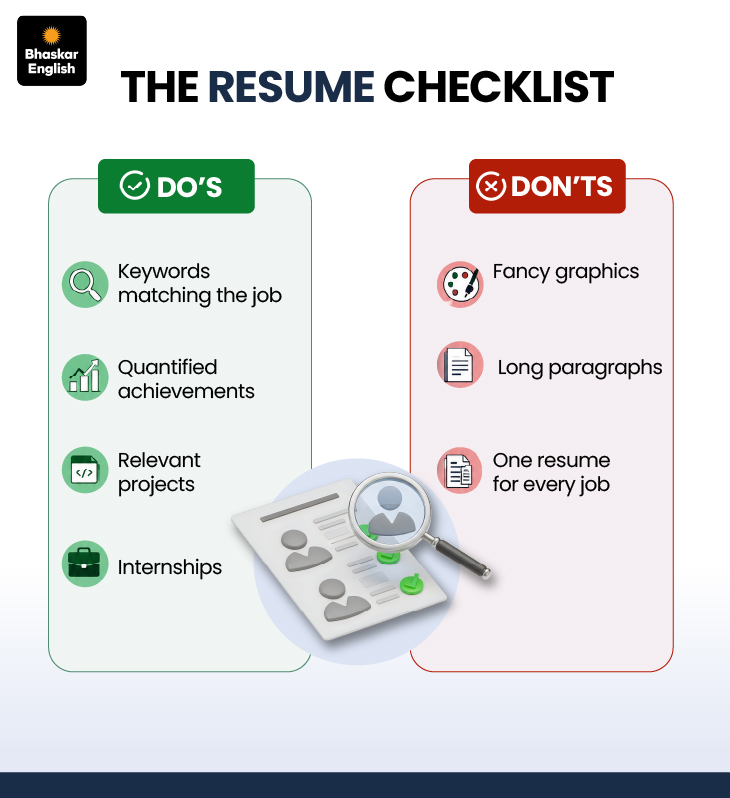
Many graduates send the same resume to dozens of companies, hoping to improve their chances.
Recruiters say this often has the opposite effect.
- A generic CV may fail to show why the applicant is a good fit for a specific role.
- Career experts also point out that many students list what they studied but not what they achieved.
- For example, writing ‘completed a marketing internship’ is less effective than mentioning a campaign, project or measurable result.
Other common reasons include:
- Gaps between the job role and the resume
- Outdated or incomplete information
- Spelling and grammar mistakes
- Missing links to portfolios or project work, where relevant
What skills are companies actually looking for today?
Technical knowledge still matters, but employers increasingly want people who can learn, adapt and work well with others.
- A software company, for example, may hire two graduates with similar marks.
- The one who explains ideas clearly, accepts feedback and solves problems independently is often more likely to succeed.
Industry surveys show employers are placing greater value on skills that remain useful even as technology changes.
Among the most sought-after are:
- Communication and presentation
- Critical thinking
- Teamwork
- Problem-solving
- Adaptability
- Digital and AI literacy
- Time management
Can AI judge skills fairly?
AI can process large numbers of applications quickly, but it does not truly understand people the way a recruiter can.
- For example, a candidate returning to work after a career break, changing industries or following an unconventional career path may have valuable skills that software does not fully recognise.
- AI can also miss qualities such as curiosity, resilience, leadership potential or cultural fit.
Experts therefore see AI as a tool, not a replacement for human judgement.
Graphics: Nikhil Valari