
15 hours agoAuthor: Samira Siddiqui
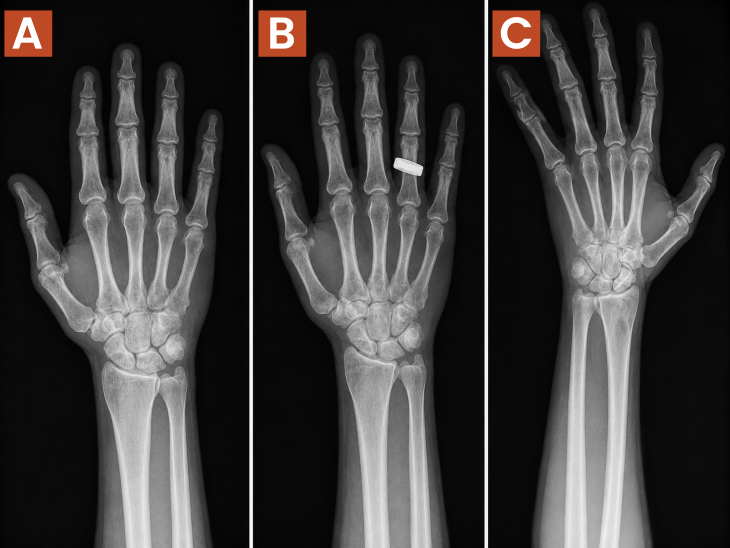
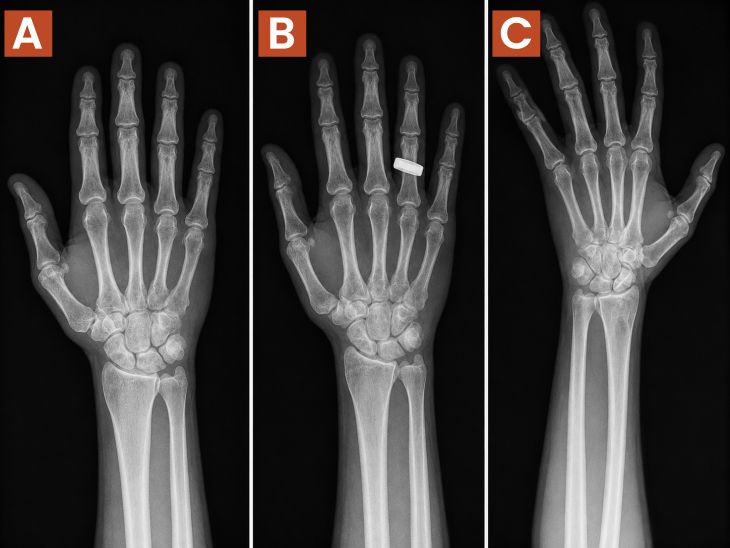
A medical breakthrough in space could soon benefit people both on and off Earth. Scientists have successfully captured the first-ever X-ray images in space using a small portable machine, proving that astronauts can diagnose injuries while in orbit. The achievement could make future Moon missions much safer and, at the same time, bring faster and more affordable healthcare to people living in remote areas where hospitals are difficult to reach.
The findings were published on July 14 in the journal Radiology.
Why astronauts need X-ray machines in space
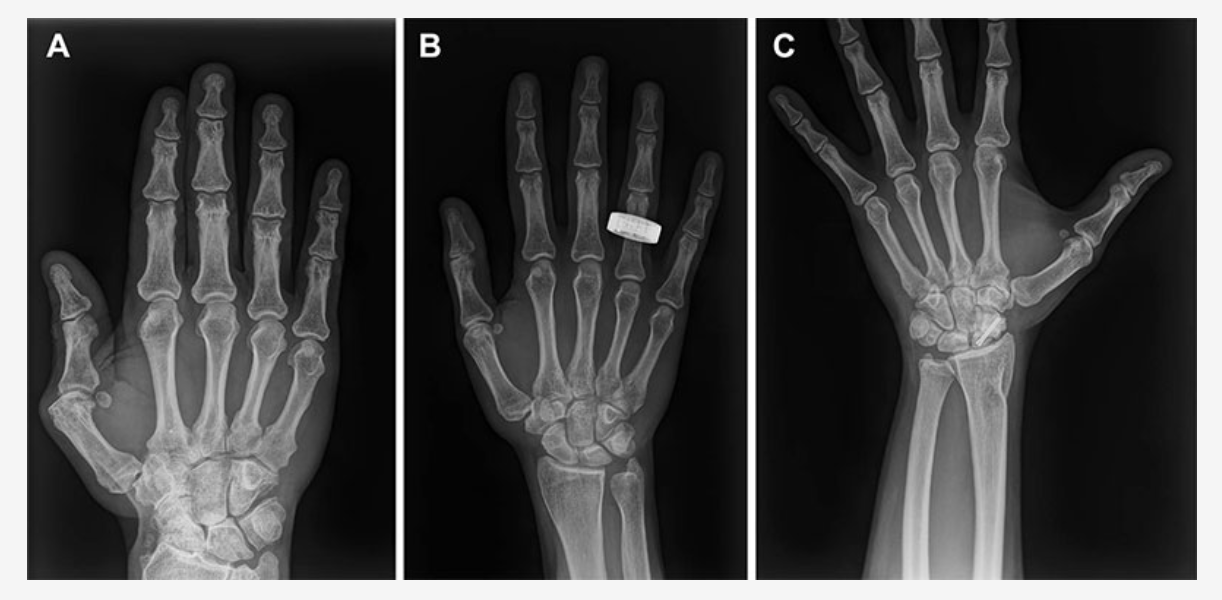
Image credit: Radiology Journal Publication
Until now, astronauts have mainly relied on ultrasound machines to check injuries in space. While ultrasound is useful, it cannot diagnose every medical problem as clearly as an X-ray. Traditional X-ray machines have never been suitable for space because they are:
- Large and heavy
- Power-hungry
- Sensitive to vibrations during launch
- Designed to work with patients who stay completely still
As space agencies prepare for longer missions to the Moon and eventually Mars, astronauts face a greater chance of injuries such as broken bones. That has increased the need for a lightweight and reliable X-ray system that can work in space.
A small portable machine passed its biggest test
Portable X-ray devices are already used in many parts of the world because they are easy to carry, require little power, and can even run on solar energy. Dr. Sheyna Gifford, an aerospace medicine expert at Mayo Clinic, wanted to find out whether one of these machines could also work in space. The first experiment took place during a parabolic flight in 2022, where short periods of weightlessness allowed researchers to capture an X-ray image of a person’s hand. The real test, however, came during the Fram2 mission, a private SpaceX flight launched on March 31, 2025.
Astronauts with almost no medical training used it successfully
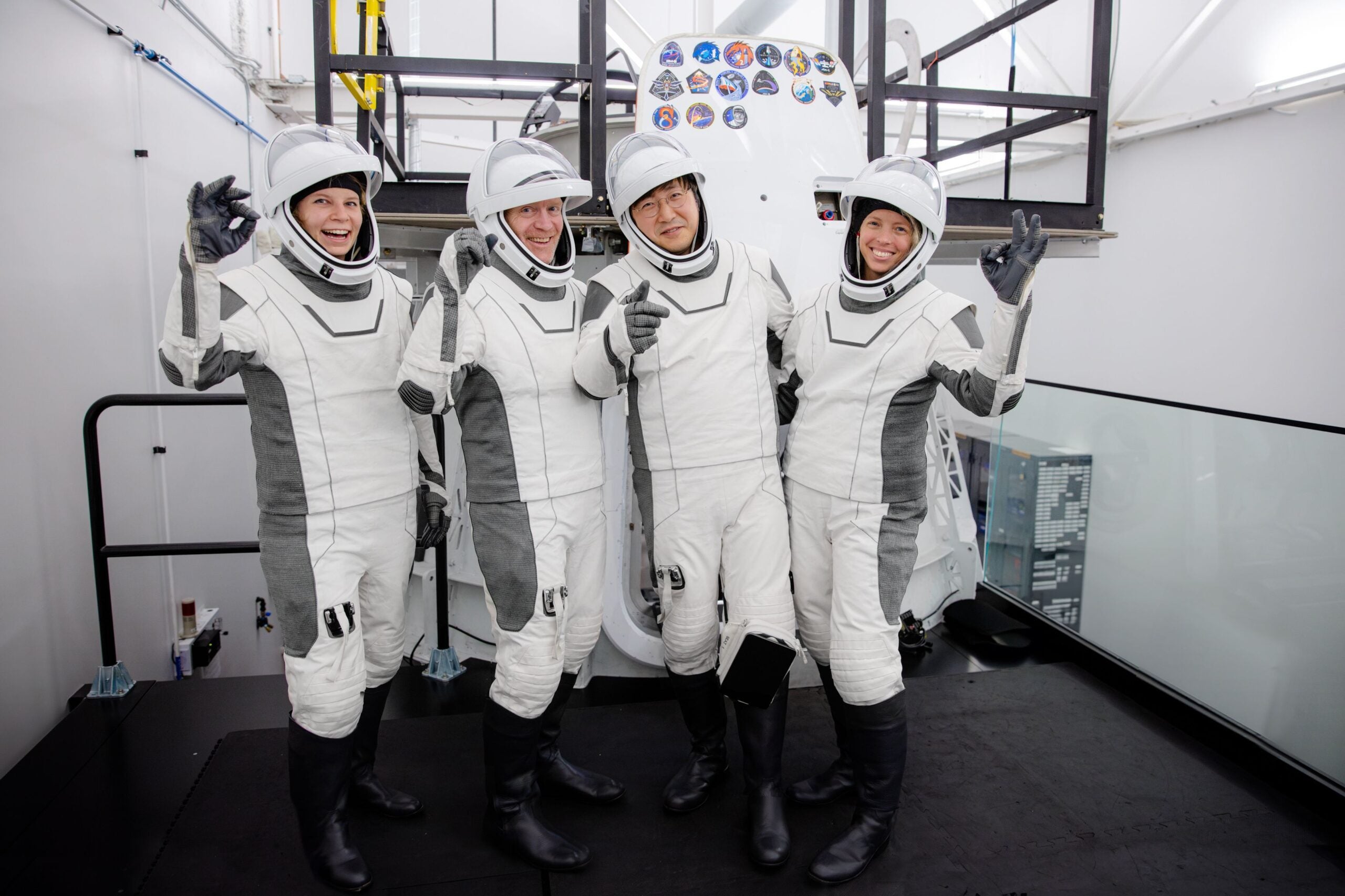
Fram2 mission crew
The Fram2 mission carried four first-time astronauts on a 3.5-day journey around Earth. Before launch, they received just four hours of training on how to operate the portable X-ray machine. Once in orbit, they successfully captured digital X-rays of a smartwatch, a hand, the chest, the abdomen, and the pelvis. The images appeared instantly on digital devices, meaning there was no need to develop traditional X-ray films.
Also read: Meta allegedly used AI to layoff employees: Lawsuit claims the system disadvantaged workers with medical conditions The results impressed medical experts
After the mission, three independent medical specialists compared the space images with X-rays taken on Earth before launch. Although the Earth-based images were slightly clearer, the experts found that the space X-rays were still good enough to diagnose injuries like broken bones.
The portable machine also survived the journey back to Earth with only minor cosmetic damage, proving it was tough enough for space travel.
Researchers take on Dr. Sheyna Gifford said:

We believed an off-the-shelf portable system would stand a very good chance of surviving pre-launch testing and be operational in space by crew members with minimal training.
She added:
By acquiring the first human and equipment X-rays in space, our study demonstrates the feasibility of in-orbit radiography and expanded diagnostic capabilities for crew health and hardware evaluation.
Looking ahead, Gifford hopes future versions will become even smaller, stronger and easier to use.
It is my hope that we can further reduce the size of portable imaging systems and improve their ruggedness and usability so they can be included in future missions.
Its uses go far beyond treating astronauts
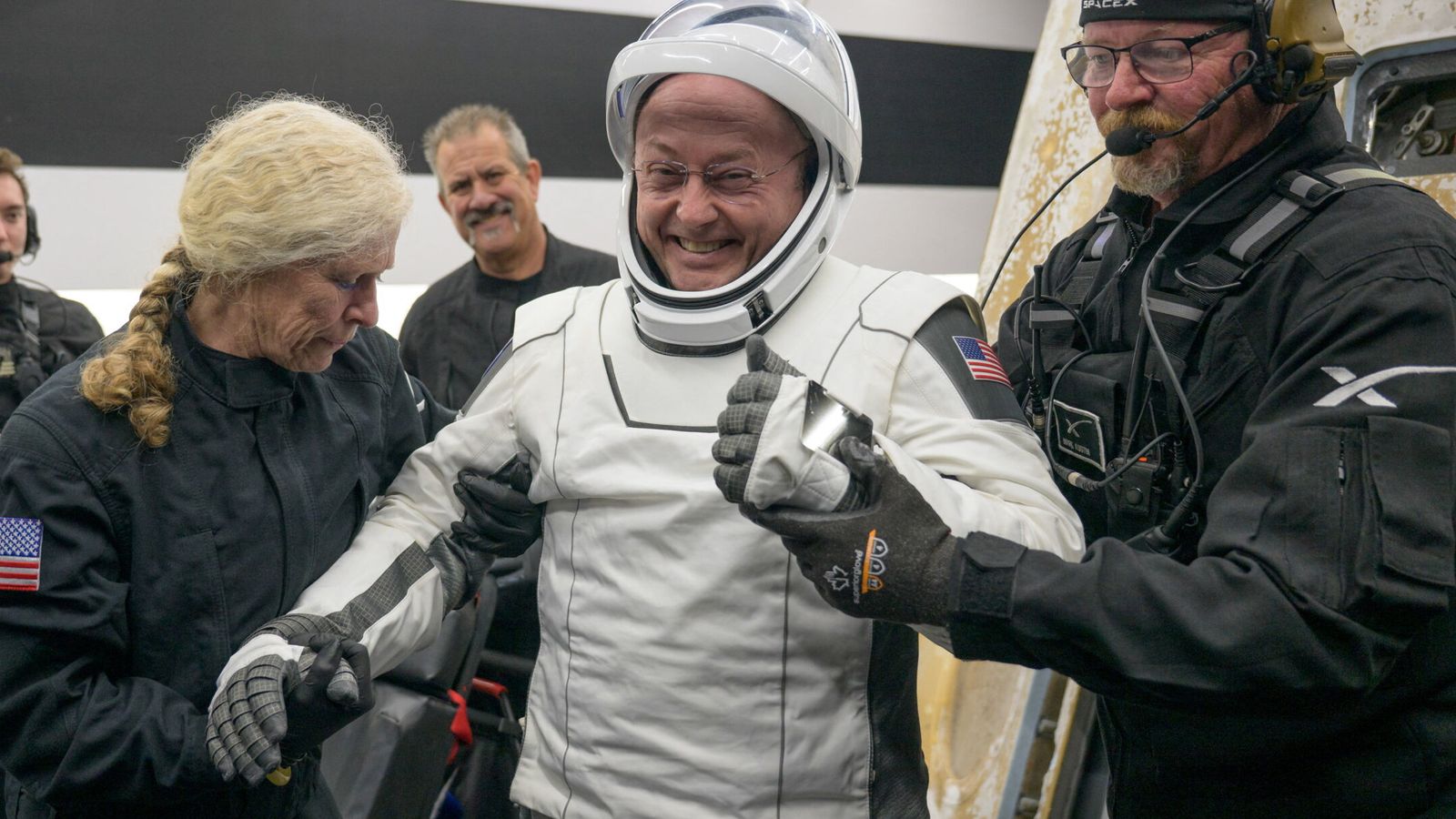
This image shows NASA astronaut Mike Fincke (center) being assisted out of the SpaceX Crew-11 capsule by recovery personnel after an emergency splashdown off the coast of San Diego, California, on January 15, 2026.
The portable X-ray machine is not only useful for medical emergencies. Scientists say it could also help:
- Inspect damaged spacecraft electronics
- Check spacesuits for hidden problems
- Diagnose faults in satellites
- Study rocks and minerals on the Moon using lunar rovers
These extra capabilities could make the technology an essential tool for future space exploration.
Also read: What if your phone or laptop gets wet in rain?: Protect your gadgets this monsoon season with these 8 smart safety tips A breakthrough that could help millions on Earth
The biggest impact of this technology may not be in space, but here on Earth. Because the machine is lightweight, portable and produces digital images that can be viewed on tablets or smartphones, it could bring quality medical imaging to places where hospitals are far away. This would allow patients to receive quicker diagnoses without travelling long distances for basic imaging tests.