- English News
- Career
- Sourav Ganguly ICC Hall Of Fame; India Australia Critical Minerals Corridor
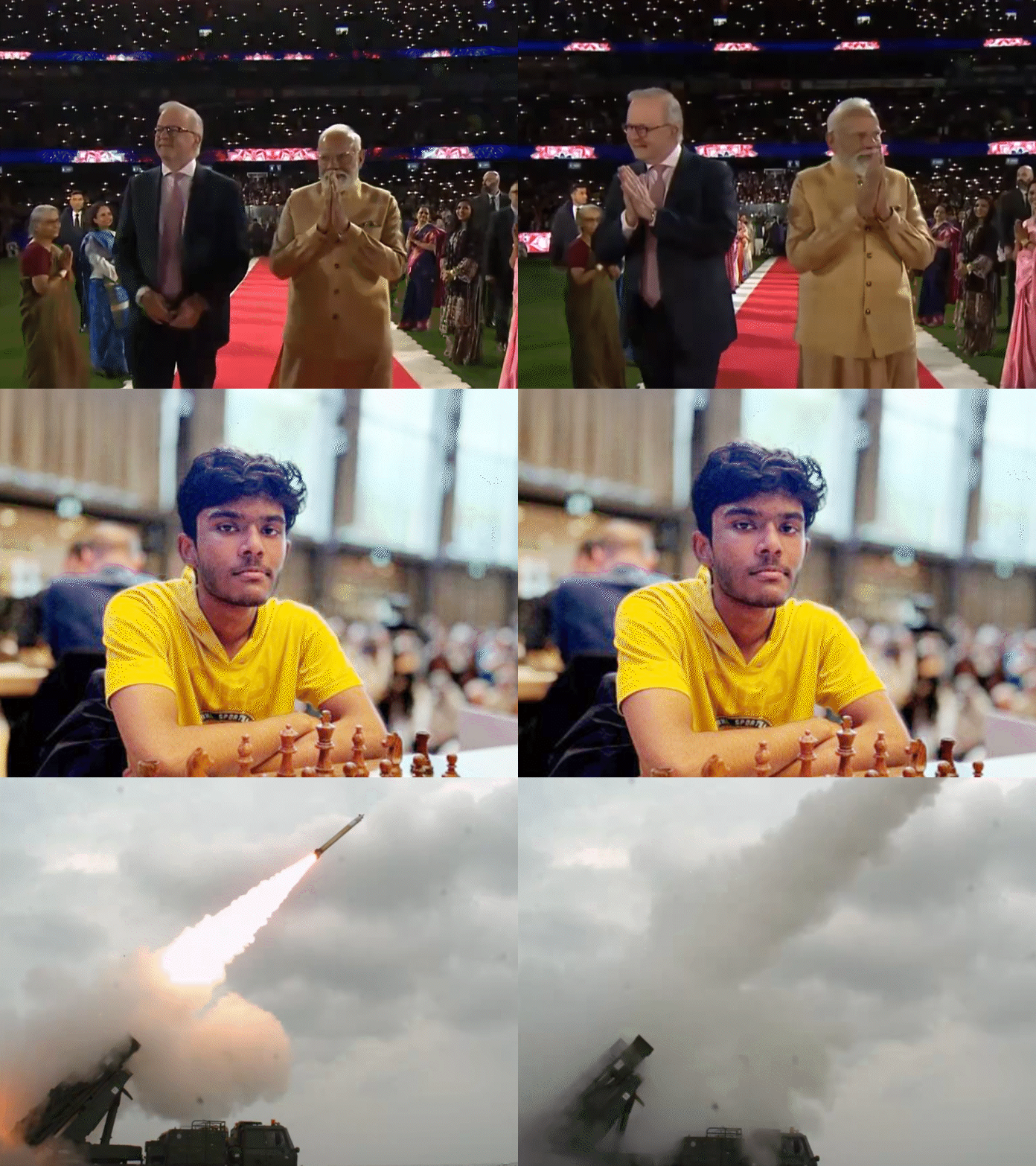
Today’s current affairs, which are important for students preparing for government jobs-
International
1. India-Australia Uranium Deal
- India and Australia signed a uranium cooperation agreement on 9 July.
- The agreement was finalised during talks between PM Narendra Modi and Australian PM Anthony Albanese.
- Australia will supply uranium for India’s civilian nuclear reactors.
- Both countries will jointly develop a Critical Minerals Corridor.
- The deal supports India’s target of achieving 100 GW nuclear power capacity by 2047.
- Cooperation will also expand in critical minerals, green hydrogen, maritime security, defence, trade, energy and space sectors.
Exam Point: Australia will now supply uranium for India’s peaceful nuclear energy programme.
National
2. DRDO Tests Pinaka Long-Range Guided Rocket
- DRDO successfully tested the Pinaka Long-Range Guided Rocket (LRGR) on 8 July from Chandipur, Odisha.
- The rocket accurately hit its target and followed the planned flight path.
- The guided rocket was launched from the Pinaka launcher already used by the Indian Army.
- A single launcher can fire different variants of the Pinaka system.
- The LRGR was jointly developed by DRDO’s ARDE and HEMRL laboratories.
Exam Point: The Pinaka LRGR is an indigenous long-range guided rocket developed by DRDO.
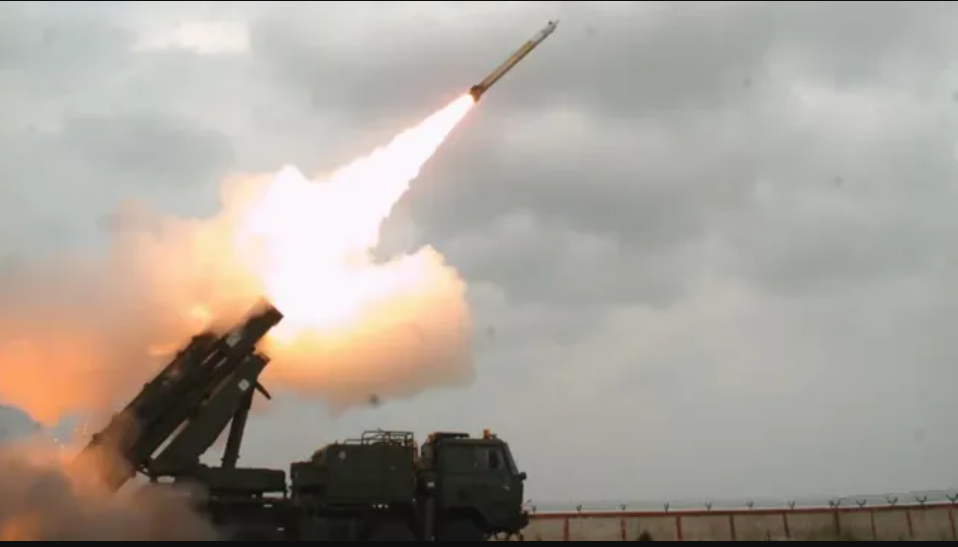
Defence Secretary and DRDO chief attended the Pinaka rocket test.
Sports
3. Sourav Ganguly to be Inducted into ICC Hall of Fame
- Former India captain Sourav Ganguly will be inducted into the ICC Hall of Fame.
- The announcement will be made on 11 July during the ICC Annual Conference in Edinburgh, Scotland.
- Ganguly will become the 12th Indian cricketer to receive this honour.
- He became India’s captain in 2000 after the match-fixing controversy.
- Under his leadership, India won the 2002 ICC Champions Trophy and reached the final of the 2003 ODI World Cup.
- India also won a historic Test series in Pakistan in 2004 and ended Australia’s streak of 16 consecutive Test victories.
- Ganguly scored 7,212 runs in 113 Tests, including 16 centuries.
- In 311 ODIs, he scored 11,363 runs and 22 centuries.
- He also took 132 wickets in international cricket.
- After retirement, he served as BCCI President and is currently President of the Cricket Association of Bengal (CAB).
Exam Point: Sourav Ganguly will become the 12th Indian cricketer to be inducted into the ICC Hall of Fame.
ICC Hall of Fame
- The ICC Hall of Fame is the highest individual honour in international cricket.
- It recognises players, umpires and administrators for exceptional contributions to the game.
- A player becomes eligible only after five years of retirement from international cricket.
- Indian inductees include Sachin Tendulkar, Rahul Dravid, Kapil Dev and MS Dhoni.
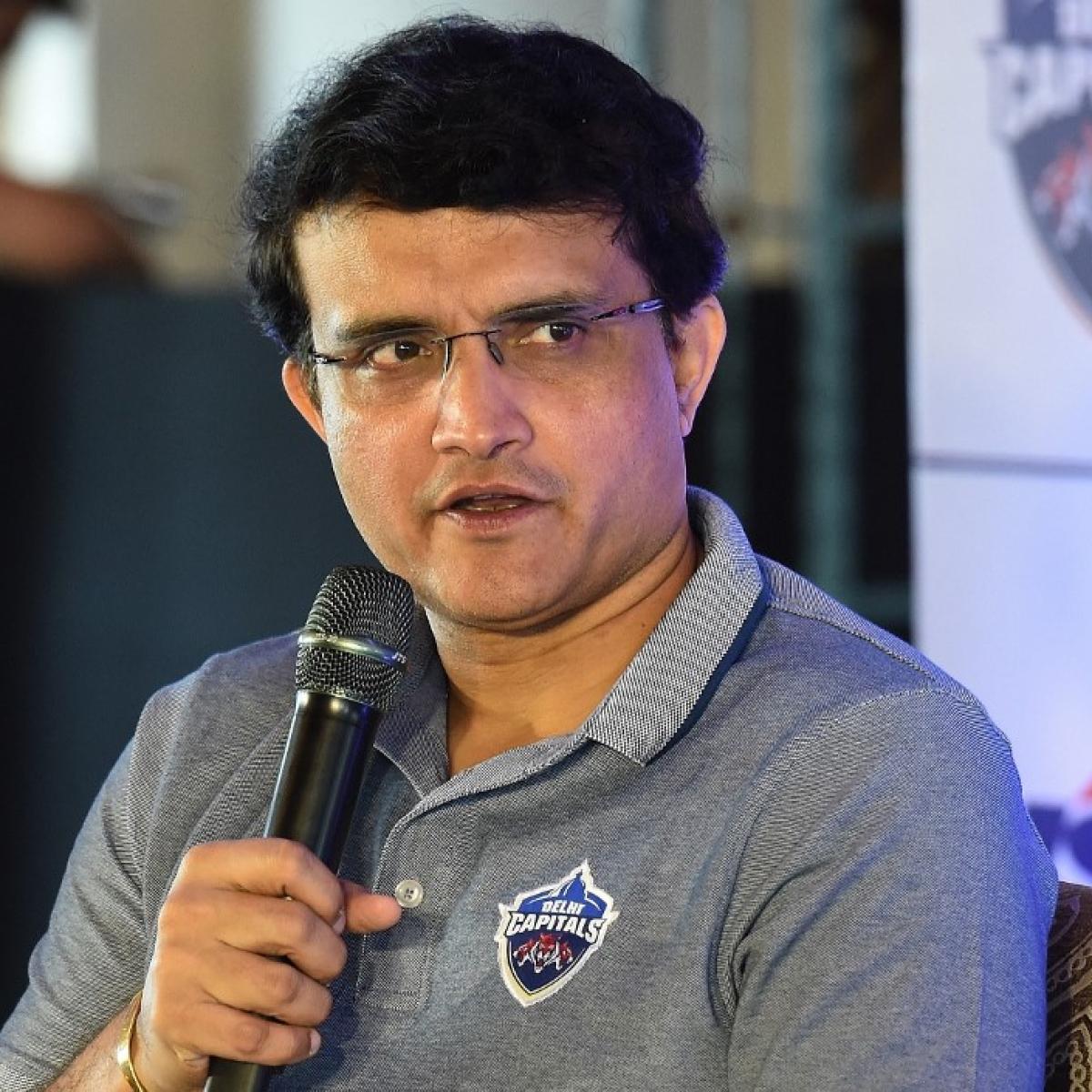
ICC Hall of Fame inductees receive a special Hall of Fame Cap.
Sports
4. Ashwath S Becomes India’s 98th Chess Grandmaster
- Seventeen-year-old Ashwath S achieved his third and final Grandmaster (GM) norm on 9 July.
- He became India’s 98th Chess Grandmaster by winning the Pune International Grandmaster Round Robin 2026.
- His current standard FIDE rating is 2517.
- Ashwath secured his first GM norm earlier this year at the Grenke Open A in Germany.
- He won the Pune tournament on tie-break with 8 points from 9 matches.
- During the event, he recorded a performance rating of 2779.
- He earned the International Master (IM) title in 2023 and crossed the 2500 FIDE rating mark.
- Born in Kanyakumari, Tamil Nadu, Ashwath has been playing chess since the age of three.
- His father, A.C. Shiva, was his first coach.
Exam Point: Ashwath S became India’s 98th Chess Grandmaster after achieving his third and final GM norm at the Pune International Grandmaster Round Robin 2026.
Grandmaster (GM) Norm
- Grandmaster (GM) is the highest title awarded by the World Chess Federation (FIDE).
- A player must achieve three Grandmaster norms to earn the title.
- The player must also attain a FIDE rating of at least 2500.

In September 2023, Ashwath won the silver medal at the Asian Junior Open Chess Championship.
International
5. New Zealand Makes 57% of Exports Tariff-Free for India
- On 9 July, New Zealand Prime Minister Christopher Luxon announced that 57% of New Zealand’s exports to India will become tariff-free.
- The announcement came ahead of Prime Minister Narendra Modi’s visit to New Zealand.
- Products benefiting from the move include kiwi fruit, apples, meat products, forest products and wood products.
- Dairy products have largely been kept outside the tariff-free arrangement, though some re-export dairy products and bulk infant formula products will receive duty-free access.
- Under the India-New Zealand Free Trade Agreement (FTA), all Indian exports will receive duty-free access to the New Zealand market.
- The historic India-New Zealand FTA was officially signed in April 2026.
- India has reduced or removed tariffs on 95% of products imported from New Zealand.
- Of these, 57% of products will become completely tariff-free from the first day of implementation.
Exam Point: Under the India-New Zealand FTA, Indian exports get 100% duty-free access to New Zealand, while 57% of New Zealand’s exports to India become tariff-free immediately.
Free Trade Agreement (FTA)
- An FTA is an agreement between countries to reduce or eliminate tariffs and trade barriers.
- India’s first Free Trade Agreement was signed with Sri Lanka in 1998 and came into force in 2000.
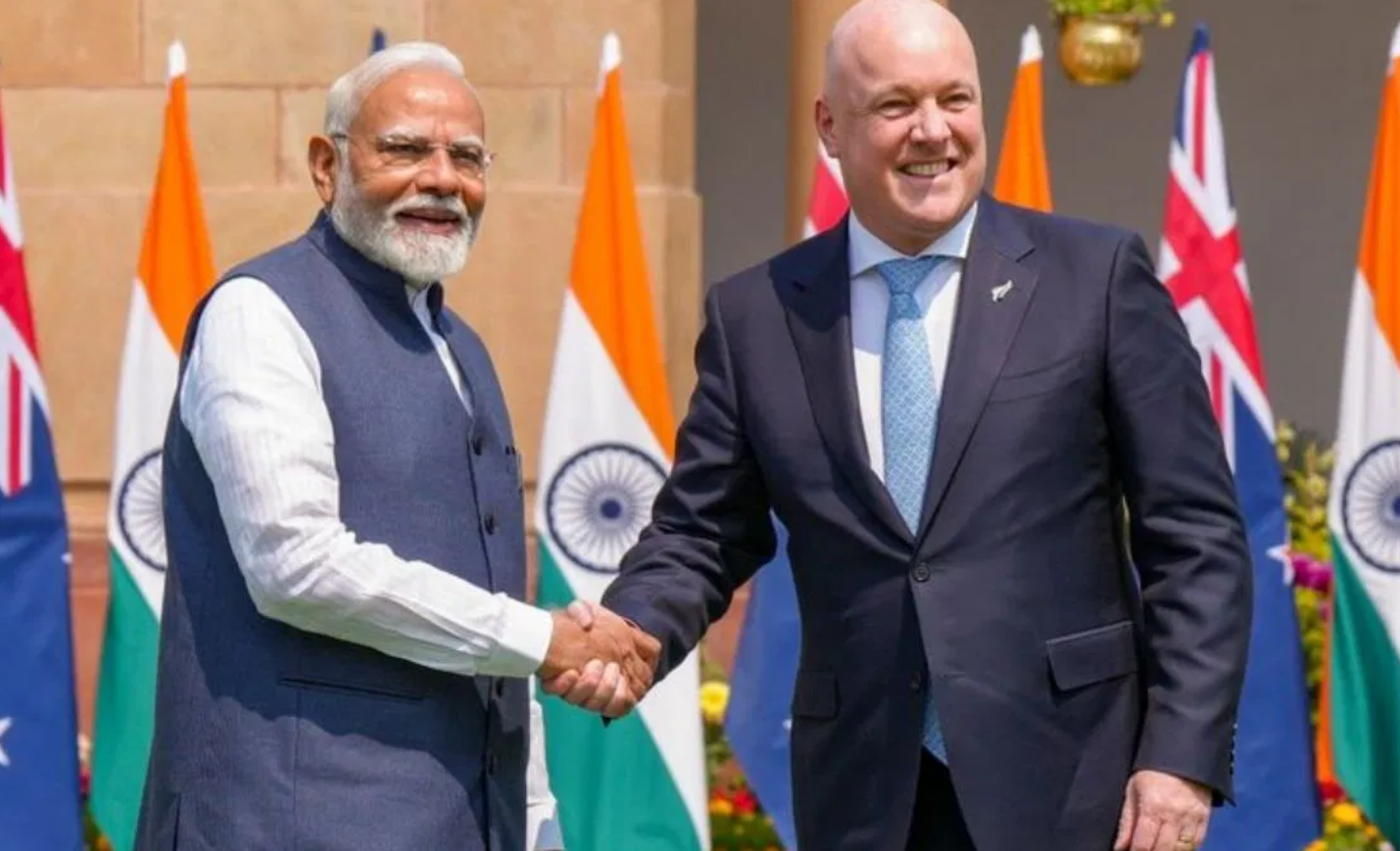
The India-New Zealand FTA aims to boost trade, investment and economic cooperation.
Miscellaneous
6. World’s First Commercial Nuclear-Powered Satellite Launched
- On 8 July, SpaceX launched the world’s first commercial nuclear-powered satellite, BOHR (Betavoltaic Orbital High-Reliability).
- The launch took place under the Transporter-17 mission.
- The satellite was developed by the American company City Labs.
- BOHR is a small CubeSat, roughly the size of a softball.
- It was launched aboard SpaceX’s Falcon 9 rocket along with 80 other payloads.
- The mission is being seen as a major milestone in the commercial use of nuclear energy in space.
- While the satellite currently uses solar panels for general operations, it also demonstrates nuclear battery technology for future space applications.
- The technology could be useful for missions in permanently shadowed regions of the Moon and in deep-space exploration.
Exam Point: BOHR is regarded as the world’s first commercial nuclear-powered satellite and uses betavoltaic technology to generate electricity.
BOHR (Betavoltaic Orbital High-Reliability)
- BOHR uses nano-tritium betavoltaic technology.
- It converts beta particles released during the radioactive decay of tritium directly into electrical energy.
- The technology can provide a continuous power supply for long periods.
- It is especially useful in environments where sunlight is limited or unavailable.
- Potential applications include permanently dark lunar regions and long-duration deep-space missions.
- CubeSat
- A CubeSat is a miniature satellite used for space research and technology demonstrations.
- It is smaller, lighter and less expensive than conventional satellites.
One-liner: SpaceX launched BOHR, the world’s first commercial nuclear-powered satellite, using nano-tritium betavoltaic technology for long-duration space missions.
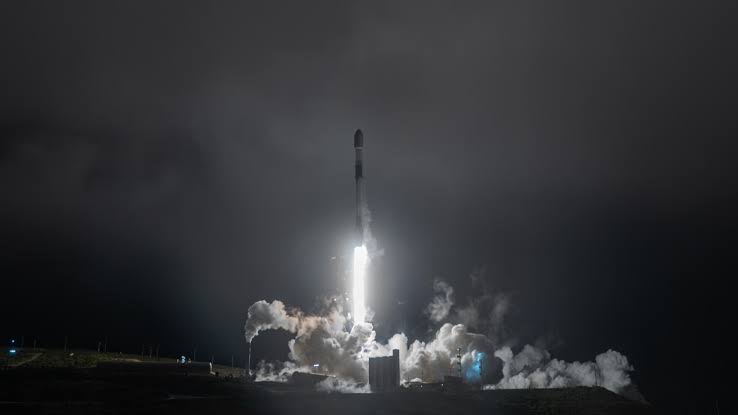
BOHR is considered the world’s first commercial nuclear-powered satellite.
Today in History – 10 July
- 1806: Indian sepoys launched the first organised military rebellion against the British East India Company at Vellore Fort in present-day Tamil Nadu. The event is known as the Vellore Mutiny.
- 1940: The Battle of Britain, one of the most important air campaigns of World War II, began between Britain and Nazi Germany. The battle continued until 31 October 1940.
- 1962: The world’s first active communications satellite, Telstar-1, was launched by AT&T and NASA, marking a major milestone in global telecommunications.
- 2014: Veteran actress and theatre personality Zohra Sehgal passed away at the age of 102.