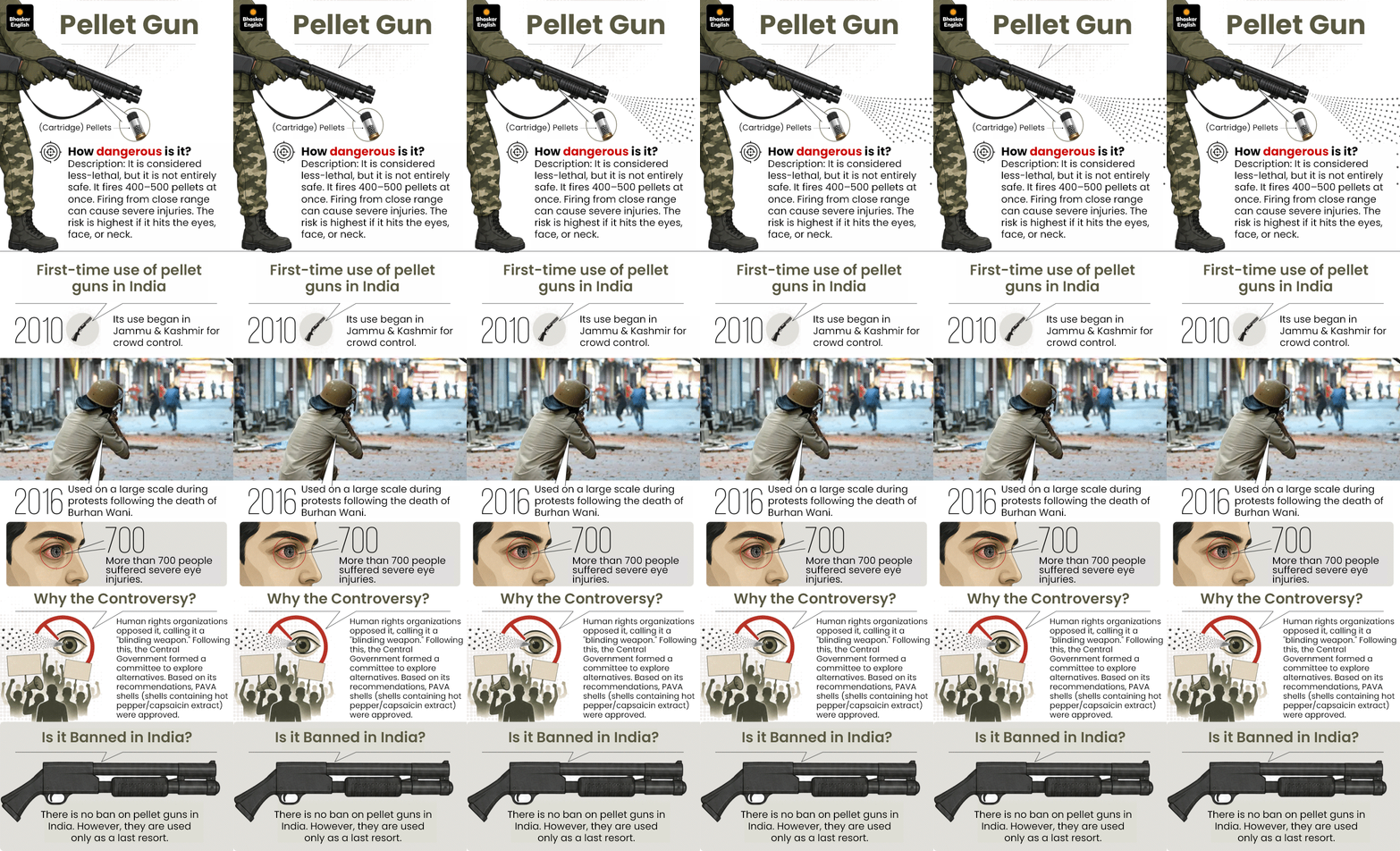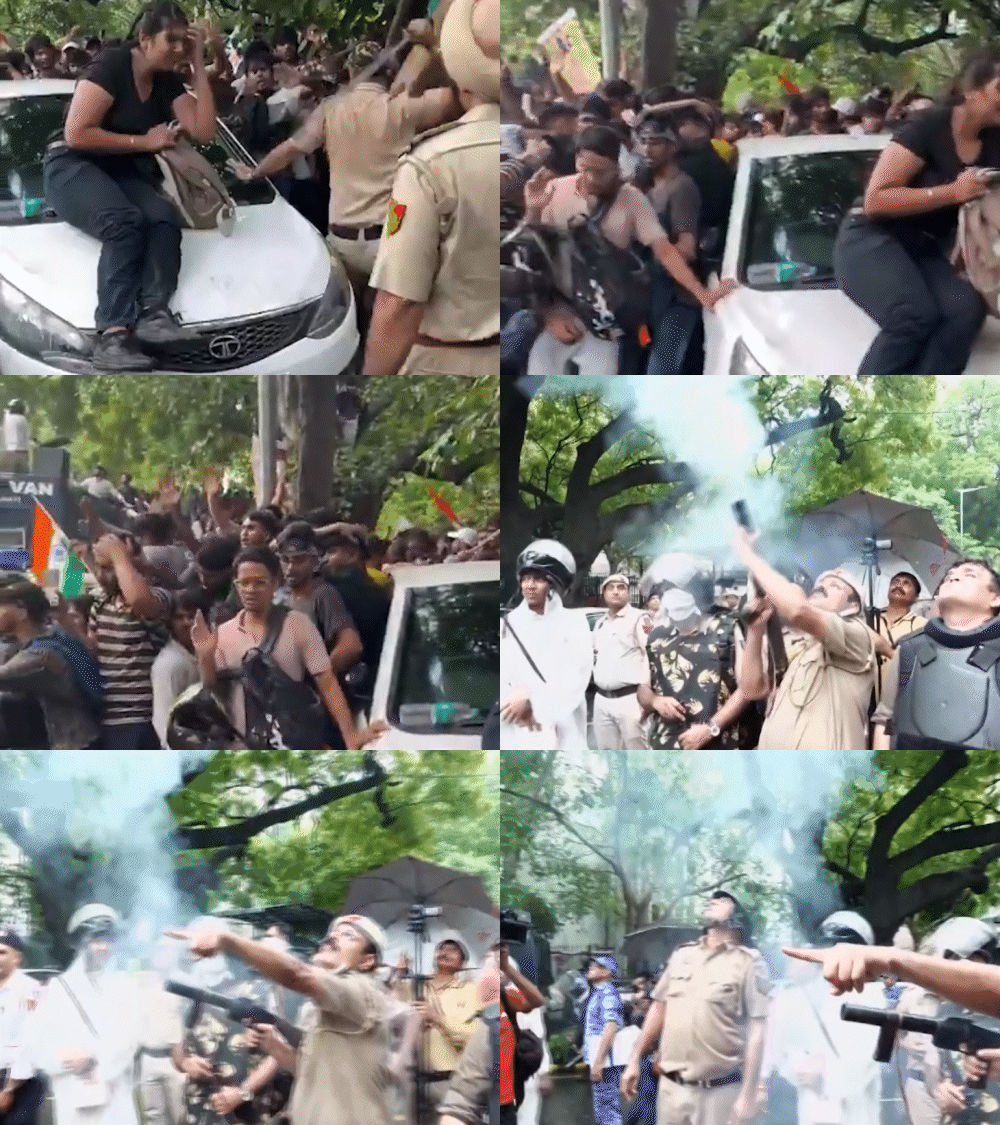
The Supreme Court on Thursday directed the Delhi government to ensure medical treatment for protesters allegedly injured by pellet guns during the Cockroach Janata Party’s (CJP) Parliament march on July 20.
A bench comprising Chief Justice Surya Kant and Justices Joymalya Bagchi and V. Mohan also instructed the Centre to preserve all records related to the use of weapons and ammunition by the Rapid Action Force (RAF) during the protest at Jantar Mantar.
The court, however, declined to stay the use of pellet guns, observing that police may use them in exceptional circumstances.
It said an interim ban could not be imposed unless the rules permitting their use were specifically challenged. The bench sought a response from the Central government on the guidelines governing pellet gun deployment.
The directions came while hearing petitions filed by former IPS officer Yashovardhan Azad and protesters Prashant Kumar Singh and Sheikh Irshad Mansoori, who sought a ban on pellet guns. The petitioners alleged that RAF personnel fired pellet guns at students during the Parliament march.
The July 20 protest, organised by the CJP, began at Jantar Mantar and headed towards Parliament. Clashes between protesters and police were reported throughout the day.
According to authorities, some protesters breached barricades and advanced through Parliament Street, Janpath crossing, the National War Memorial, Kartavya Path and Vijay Chowk before attempting to enter the Parliament complex.
Police responded by firing tear gas shells to disperse the crowd. Protesters and opposition leaders later alleged that pellet guns were also used, resulting in injuries to more than 100 demonstrators. Images of stone-pelting during the protest also surfaced later that day.
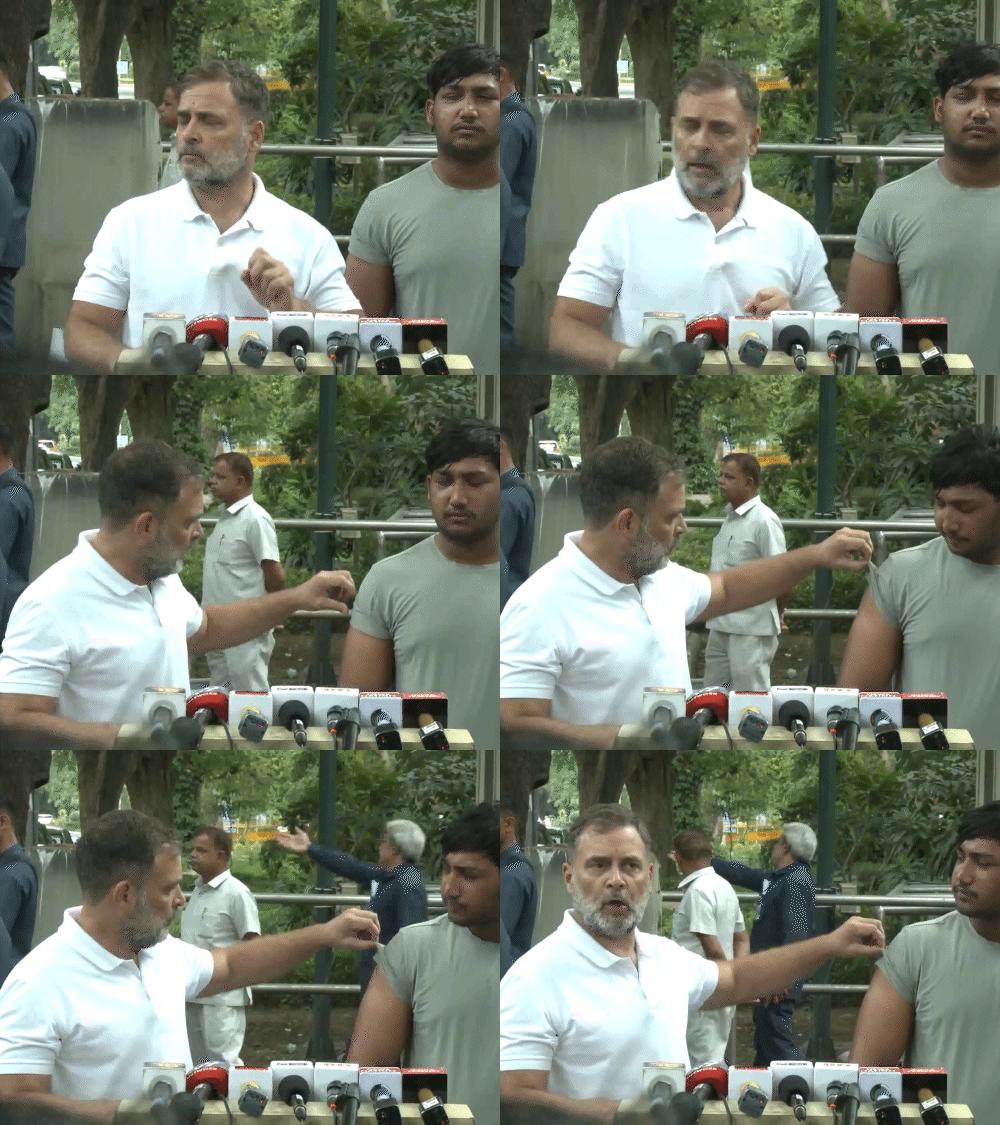
Rahul lifts T-shirt of student injured with pellet gun
Leader of Opposition Rahul Gandhi has accused the government of ordering the use of pellet guns against peaceful protesters. Addressing a press conference on Wednesday, he claimed that a student lost eyesight after being hit by pellets. On July 24, Rahul Gandhi presented injured students at his residence, alleging they had sustained pellet injuries while carrying the national flag during the march.
The BJP has rejected the allegations, maintaining that no firing took place during the Parliament march. The party said ministers cannot order the use of force, asserting that such decisions are made by the executive magistrate in accordance with law.
2 photos from the Parliament March on July 20…
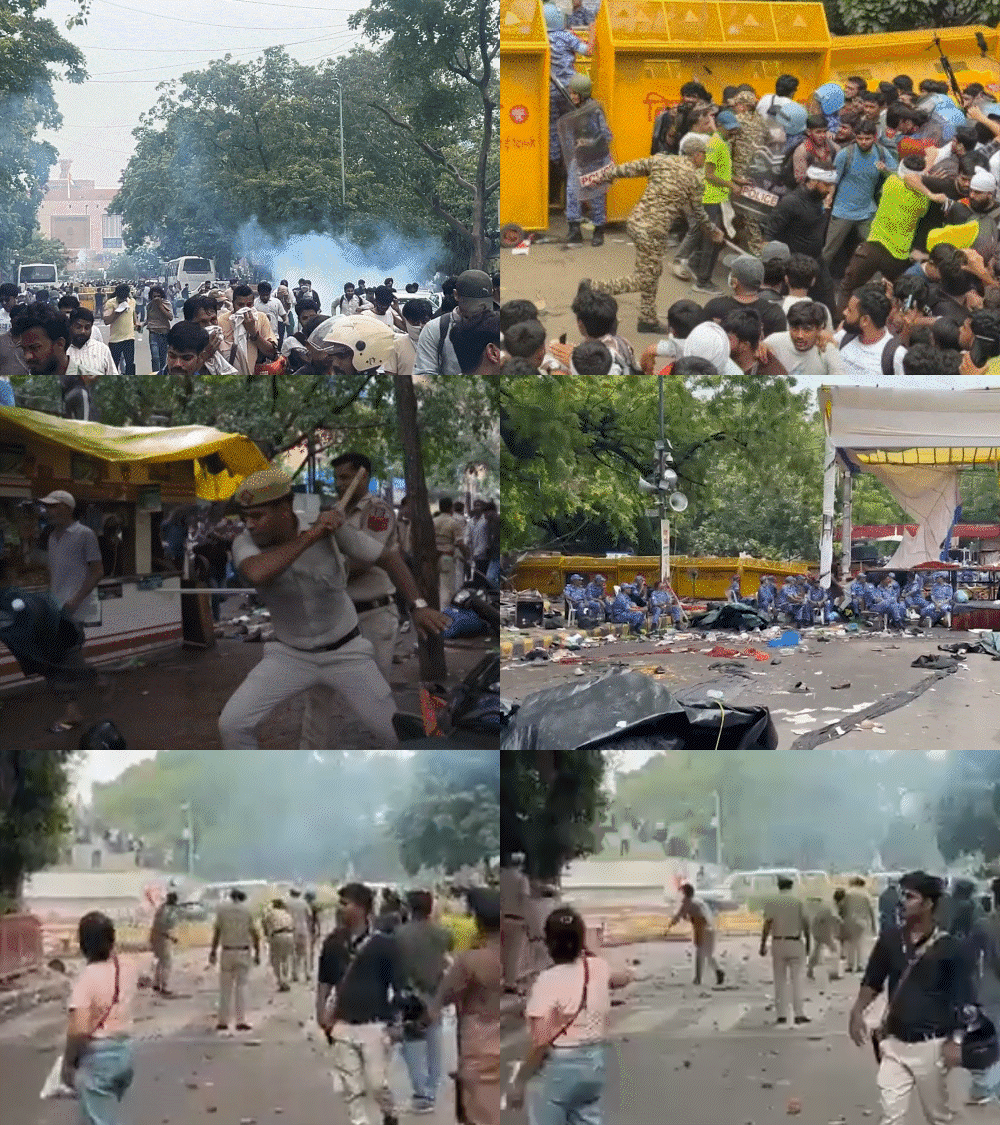
Police-Rapid Action Force resorted to lathi charge, tear gas shells were fired and stone pelting also took place.
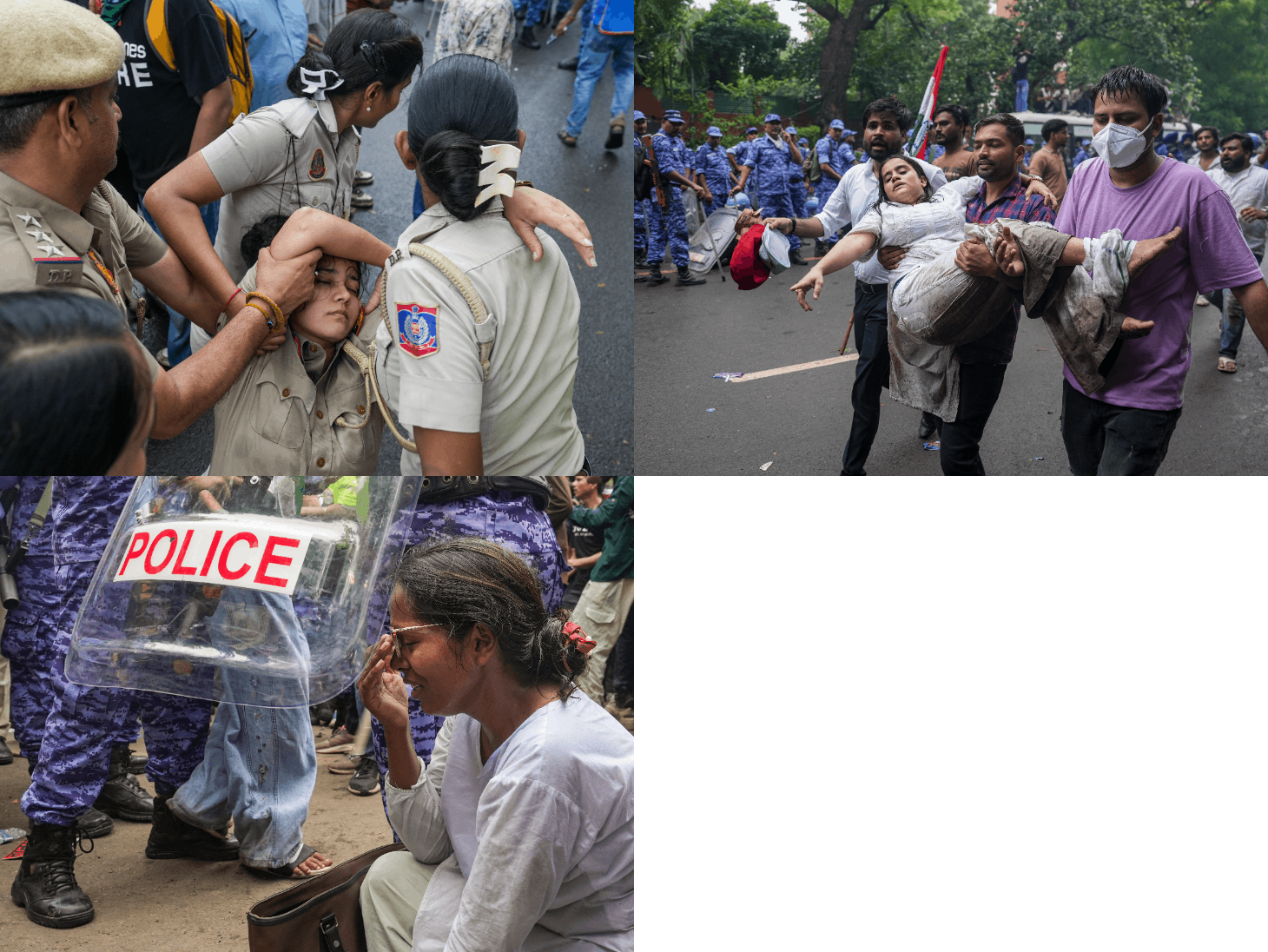
Police and protesters were injured during the clashes, with over 100 people injured.
What are the rules on the use of pellet guns in India?
- There is no complete ban on the use of pellet guns in India. However, the Jammu and Kashmir Police and other law enforcement agencies follow Standard Operating Procedures (SOPs) framed under the guidelines of the Ministry of Home Affairs (MHA).
- According to the government, pellet guns are classified as less-lethal weapons and are intended for use in controlling violent mobs.
- Under the guidelines, police must first use other crowd-control measures when law and order deteriorates. If these prove ineffective, less-lethal weapons such as pellet guns may be used only as a last resort.
- The Home Ministry has stated that pellet guns should be used only to the extent necessary to bring the situation under control, while ensuring the safety of both civilians and security personnel throughout the operation.
- Security personnel also receive specialised training to ensure pellet guns are used in accordance with the prescribed procedures and with minimum harm.