
Today’s important current affairs, which are essential for students preparing for government jobs…
1. President Murmu arrives in North Macedonia
- On 21 July, President Droupadi Murmu arrived in Skopje, the capital of North Macedonia, as part of her 3-country visit.
- President Murmu held bilateral talks with North Macedonia’s President Gordana Siljanovska-Davkova in Skopje.
- President Murmu met with North Macedonia’s PM Hristijan Mickoski.
- President Murmu also met with Speaker of Parliament Afrim Gashi and addressed the Parliament.
- During this visit, President Murmu also addressed the India-North Macedonia Business Forum.
- During this visit, discussions were held on enhancing cooperation in sectors such as agriculture, pharmaceuticals, science and technology, and IT.
- During this visit, President Murmu will also visit the Mother Teresa Memorial and other historical sites.
- Along with this, on the first day of this visit, President Murmu discussed the ‘3 Ts’ roadmap with India and Moldova to double trade.
- The purpose of this visit is to promote bilateral and strategic relations with Eastern European countries.
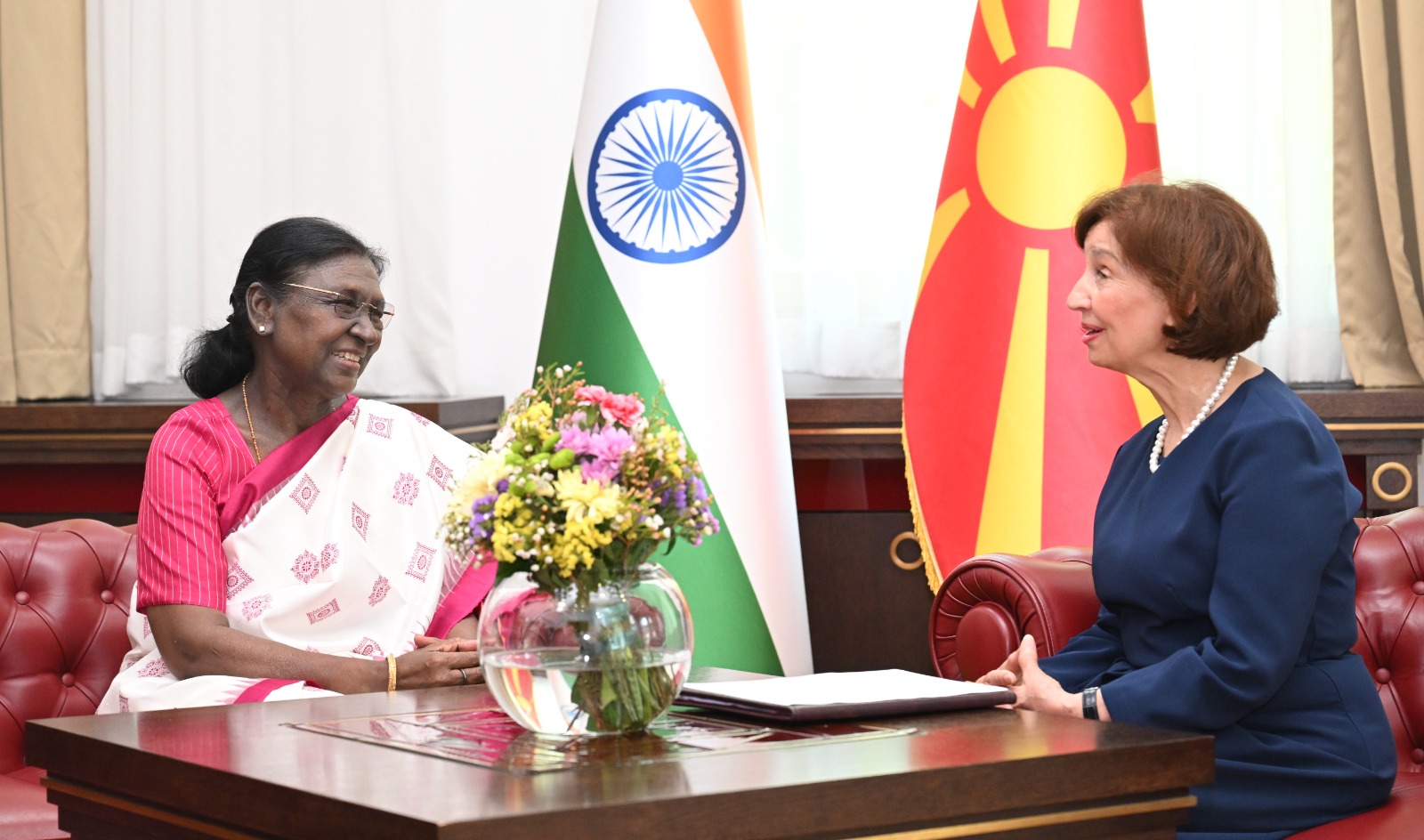
President Murmu is on a visit to 3 countries till 25 July.
2. India becomes member of WTO’s Fisheries Agreement
- On 20 July, India became an official member of the World Trade Organization (WTO) Fisheries Subsidies Agreement.
- India has become the 123rd member country to accept this agreement.
- India approved this agreement at the WTO’s 12th Ministerial Conference held in Geneva.
- After becoming a member of WTO, subsidies promoting Illegal, Unreported and Unregulated (IUU) fishing in India can be stopped.
- This agreement will promote the conservation of marine biodiversity and fishery resources.
- Subsidies will not be given to vessels engaged in IUU fishing. A ban will be imposed on subsidies for hunting overfished fish species.
- After this agreement, subsidies will not be given for fishing in unregulated maritime areas.
- This agreement will benefit small and traditional fishermen in India.
- This agreement is a major step towards strengthening the marine ecosystem.
- The Fisheries Subsidies Agreement was adopted in June 2022 during the WTO’s 12th Ministerial Conference.
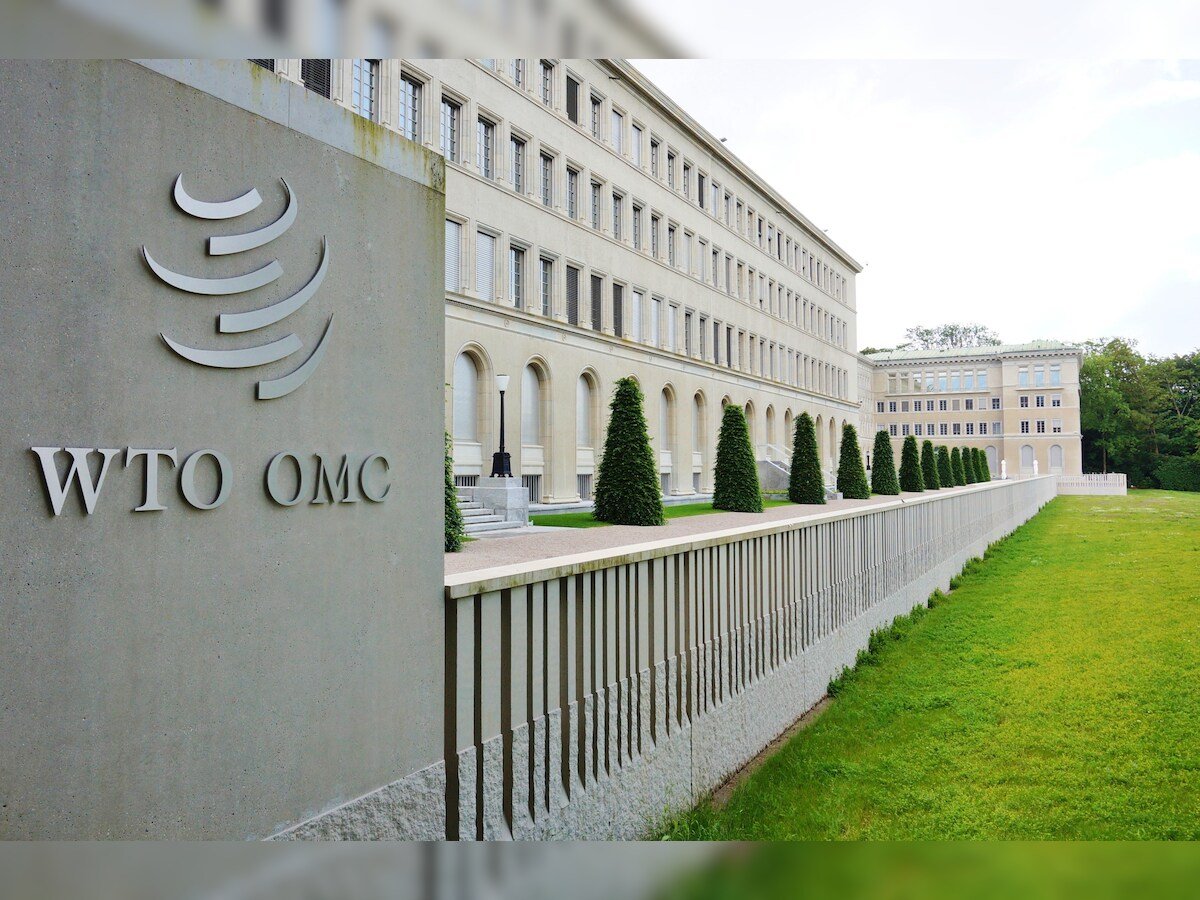
Fisheries Subsidy Agreement was first implemented by WTO in 2025.
APPOINTMENT 3. Indian-origin MP Kanishka becomes Britain’s first AI Minister
- On 20 July, Indian-origin MP Kanishka Narayan was appointed as Britain’s first Artificial Intelligence (AI) minister.
- Britain has appointed a minister for AI for the first time. Kanishka’s appointment was made after the cabinet expansion of new British PM Andy Burnham.
- He has been serving as AI and Online Safety Minister since September 2025.
- Kanishka was born in Muzaffarpur, Bihar and moved to Wales (Cardiff) with his family at the age of 12.
- Kanishka became Wales’ first minority MP in 2024. Before entering politics, he has worked for the British government.
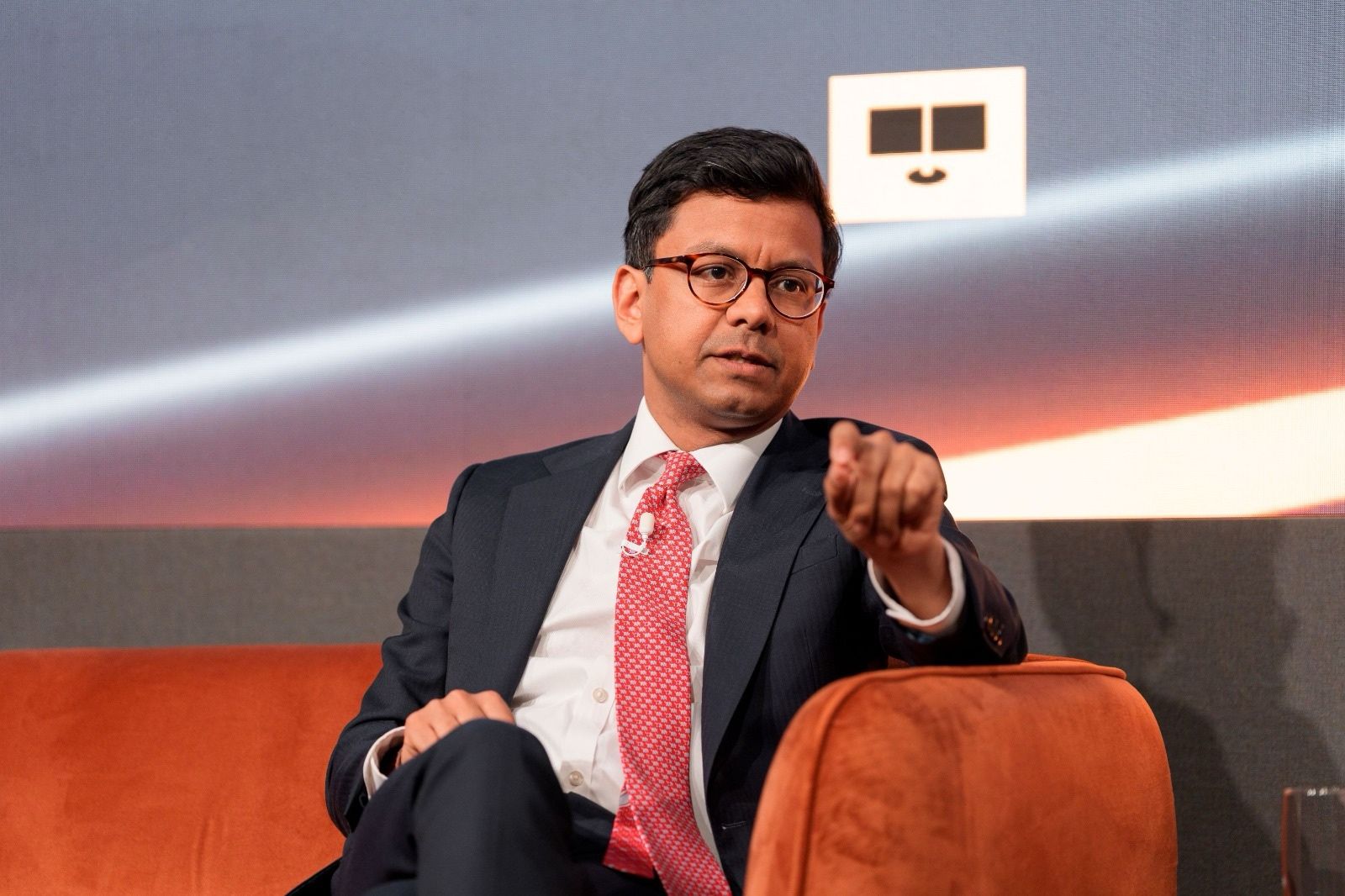
Kanishka is a member of the Labour Party.
NATIONAL
4. Tourism Ministry approves new projects worth ₹5,757 crores
- On 21 July, the Ministry of Tourism approved new projects worth ₹5,757 crores.
- This includes 117 projects. The objective of these projects is to develop major tourist destinations.
- This includes promoting heritage and religious tourism, and expanding eco-tourism and rural tourism.
- This scheme will develop better connectivity and modern tourist facilities.
- The government’s focus is particularly on Northeast India and underdeveloped tourism areas.
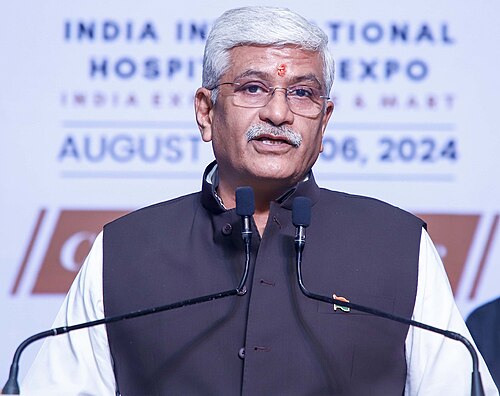
These works will be done under Swadesh Darshan and PRASAD schemes.
5. Controversial map on 1 rupee coin in Nepal
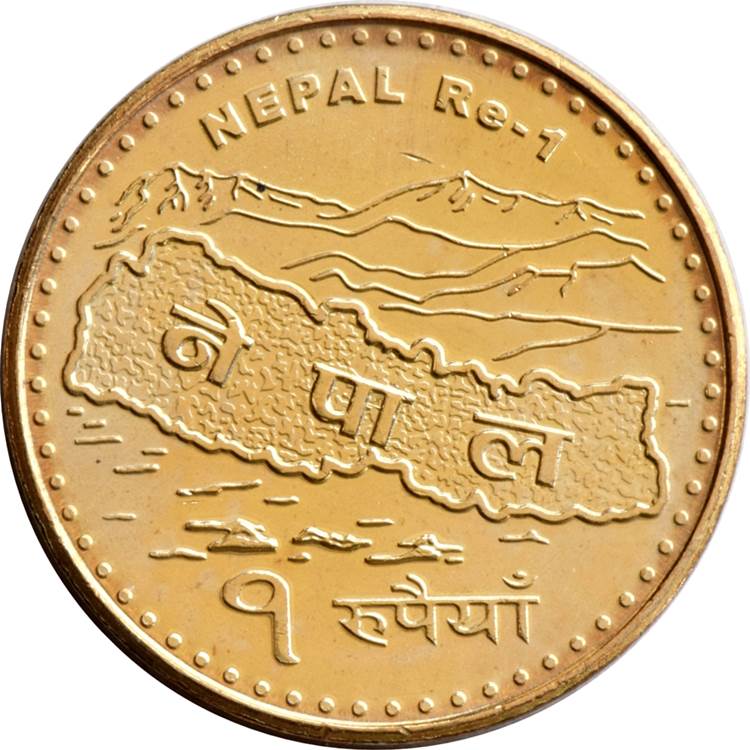
- On 21 July, the Nepal government rejected a proposal to remove the disputed national map from the one rupee coin.
- This map shows India’s Lipulekh, Kalapani and Limpiyadhura as part of Nepal.
- However, the Nepal Rastra Bank (NRB) had earlier proposed that the disputed map of Nepal printed on the one rupee coin be replaced with a picture of the historic monastery of Mustang.
- Following this controversy, the ministry directed the Nepal Rastra Bank to include Nepal’s national map along with the Buddhist monastery in the design.
- The Nepal Rastra Bank will prepare a new design as per the cabinet’s directive. The new coins will include both the national map and Lo Ghekar monastery.
- Earlier, during the monarchy era in Nepal, notes and coins used to have pictures of King Mahendra, King Birendra and King Gyanendra printed on them.
- After the political change in 2006, these were replaced with Mount Everest, wildlife, national monuments and cultural symbols.
- Lo Gekar Monastery is located in Upper Mustang, Nepal. It was established in the 8th century by Guru Padmasambhava (Guru Rinpoche).
- Historians consider it one of the oldest Buddhist monasteries in the entire Himalayan region.
India-Nepal map dispute
- The India-Nepal border dispute started in 2020.
- India had inaugurated a road to the Lipulekh Pass in Uttarakhand, which Nepal had opposed.
- In May 2020, Nepal issued a new political map showing Kalapani, Lipulekh and Limpiyadhura as part of its territory.
- In June 2020, Nepal’s parliament amended the constitution to give official recognition to this map.
- Since then, this same map has been used on government documents, school textbooks, passports, 100 rupee notes and 1 and 2 rupee coins.
- Following this, the government decided to retain this official map in the design of the new 1 rupee coin as well.
DEATH
6. Tripura DGP Anurag Dhankhar passes away
- On 20 July, Tripura’s Director General of Police (DGP) Anurag Dhankhar passed away. He was 60 years old.
- DGP Anurag was found dead in his office in Tripura.
- Anurag Dhankhar was a 1994 batch IPS officer.
- The Tripura government has declared a one-day state mourning on his death.
- Anurag had led the Nirav Modi case and the anti-Sikh riots case.
- Anurag had also led the SIT formed to reinvestigate the 1984 anti-Sikh riots.
- Dhankhar started as Sub-Divisional Police Officer (SDPO) in Tripura in 1995, after which he became Director General of Police.
- Additional DGP Srinivas Rao has been made Acting DGP in place of DGP Anurag.
MISCELLANEOUS
7. First dengue vaccine approved in India
- On 20 July, the first dengue vaccine was approved in India.
- The Drug Controller General of India (DCGI) has granted market authorisation for Takeda Biopharmaceuticals India’s vaccine QDENGA.
- According to the company, this vaccine can be administered to people aged 4 to 60 years.
- Before getting vaccinated, there will be no need to test whether the person was previously infected with dengue or not.
- The approval in India has been granted based on Takeda’s global clinical development programme.
- Under this, a total of 19 clinical trials were conducted in Phase-I, Phase-II and Phase-III, in which more than 28,000 people participated.
- Two doses of QDENGA are given for dengue prevention.
- Each dose is 0.5 milliliters and is administered through subcutaneous injection. A gap of three months is maintained between both doses.
- ‘Qdenga’ (TAK-003) is actually a discovery of Japanese company ‘Takeda’, but under ‘Make in India’, its large-scale production will take place in the country itself.
- For this, an agreement has been made with Hyderabad-based pharma company ‘Biological E’.
- Due to being manufactured in India itself, its supply will be fast and without any interruption.
- According to Takeda, India is among the countries most affected by dengue in the world.
- All four serotypes of the dengue virus are spreading simultaneously in many parts of the country.
- Goh Choo Beng, Head of Medical Affairs at the company, said that QDENGA has been developed to provide protection against all four serotypes.
- According to the company, the World Health Organization (WHO) recommends the use of QDENGA in dengue-affected areas.
- WHO supports that in high-transmission areas, it can be included in public vaccination programs without pre-vaccination screening.
Today in History
- In 1678, Chhatrapati Shivaji conquered the Vellore Fort.
- In 1947, Pandit Jawaharlal Nehru proposed the ‘Tiranga’ as the national flag of independent India, which was adopted as the national flag.