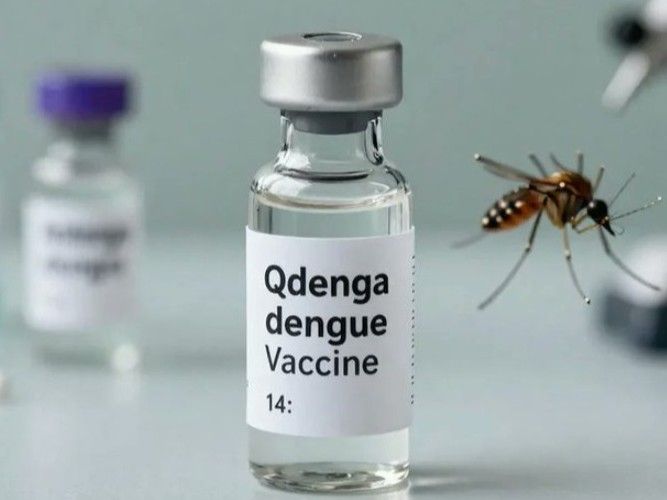

India has approved its first dengue vaccine. The Drug Controller General of India (DCGI) has granted marketing approval to Takeda Biopharmaceuticals India for its dengue vaccine, QDENGA.
According to the company, the vaccine can be administered to people aged 4 to 60 years. It does not require prior testing to determine whether a person has previously been infected with dengue.
The approval in India is based on Takeda’s global clinical development programme, which included 19 Phase I, Phase II and Phase III clinical trials involving more than 28,000 participants.
QDENGA is administered in two doses. Each dose is 0.5 ml and is given as a subcutaneous injection (under the skin). The two doses are administered three months apart.
Vaccine to be manufactured in India
QDENGA (TAK-003) was originally developed by Japanese pharmaceutical company Takeda. However, under the Make in India initiative, the vaccine will be manufactured in India on a large scale. Takeda has partnered with Hyderabad-based pharmaceutical company Biological E for local production.
Manufacturing the vaccine in India is expected to ensure faster and uninterrupted supply. While the final price has not yet been announced, local production is likely to make it more affordable for the public. After its launch, the vaccine’s safety and effectiveness will be closely monitored for the first six months as a precaution.
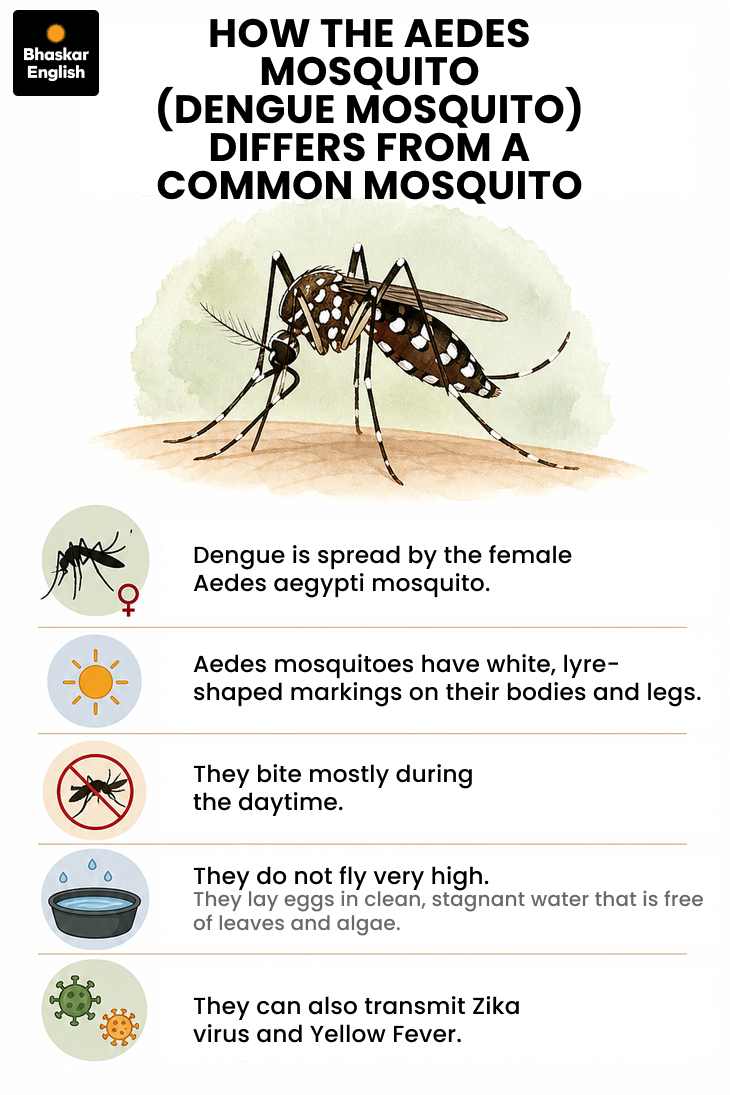
India among the countries most affected by dengue
According to Takeda, India is among the countries with the highest dengue burden in the world. All four dengue virus serotypes are circulating simultaneously in several parts of the country.
Takeda’s Head of Medical Affairs, Goh Choo Beng, said QDENGA has been designed to protect against all four dengue serotypes.
The approval is expected to strengthen India’s dengue prevention strategy. However, mosquito control, disease surveillance, public awareness, and other public health measures will continue to remain essential.
The company also said the World Health Organization (WHO) recommends the use of QDENGA in dengue-endemic regions. WHO supports including the vaccine in public immunisation programmes in high-transmission areas without requiring pre-vaccination screening.
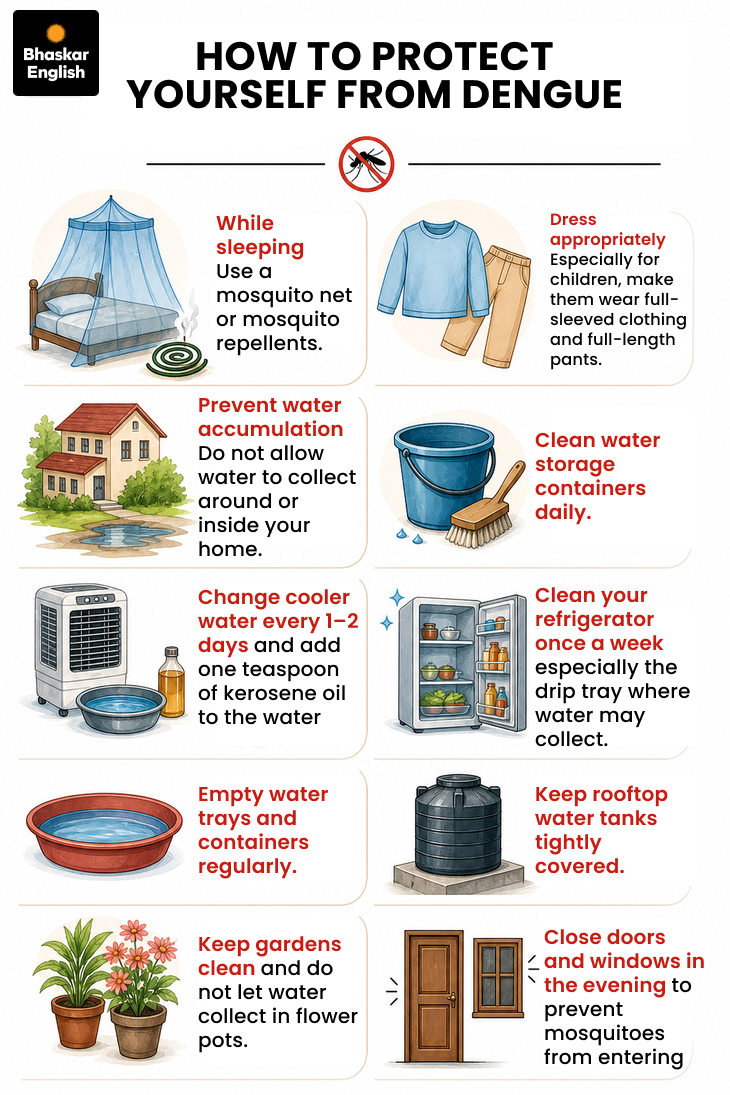
Dengue reported in over 125 countries
QDENGA has also received WHO prequalification, meaning it meets international standards for quality, safety, and effectiveness. This allows global agencies such as UNICEF and the Pan American Health Organization (PAHO) to procure the vaccine.
Dengue is a mosquito-borne viral disease reported in more than 125 countries. According to Takeda, India accounts for nearly one-third of the global dengue burden. Rapid urbanisation, climate change, and increasing mosquito breeding are continuing to raise the risk of dengue transmission.