

By using this site, you agree to the Privacy Policy and Terms of Use.
Accept
India Republic TimesIndia Republic TimesIndia Republic Times
Notification Show More
Font ResizerAa
  • U.K News
    U.K News
    Politics is the art of looking for trouble, finding it everywhere, diagnosing it incorrectly and applying the wrong remedies.
    Show More
    Top News
    The States Braces for Protests Over New COVID Rules
    August 29, 2021
    India-NZ FTA Talks Advance | Modi Addresses 40,000 Diaspora in Auckland
    July 10, 2026
    How Jasmeet Singh Arora’s Mango Mission Helps Farmers, Climate and India’s Green Economy
    July 12, 2026
    Latest News
    Rape Case Judgments Based On Evidence Not Victim Character
    August 5, 2026
    Can Online Backlash Change Election Results?
    August 5, 2026
    Parliament Monsoon Session | Income Tax Amendment Bill & Ram Mandir Uproar
    August 4, 2026
    US Enforces Iran Port Blockade; Donald Trump Issues Last Chance Warning
    August 4, 2026
  • U.K News
    U.K News
    Politics is the art of looking for trouble, finding it everywhere, diagnosing it incorrectly and applying the wrong remedies.
    Show More
    Top News
    The States Braces for Protests Over New COVID Rules
    August 29, 2021
    India-NZ FTA Talks Advance | Modi Addresses 40,000 Diaspora in Auckland
    July 10, 2026
    How Jasmeet Singh Arora’s Mango Mission Helps Farmers, Climate and India’s Green Economy
    July 12, 2026
    Latest News
    Rape Case Judgments Based On Evidence Not Victim Character
    August 5, 2026
    Can Online Backlash Change Election Results?
    August 5, 2026
    Parliament Monsoon Session | Income Tax Amendment Bill & Ram Mandir Uproar
    August 4, 2026
    US Enforces Iran Port Blockade; Donald Trump Issues Last Chance Warning
    August 4, 2026
  • Technology
    TechnologyShow More
    Vishvesh Negi Named India Ambassador to Iran
    August 4, 2026
    NEET-UG Counselling Starts | MBBS, BDS Admissions; Academic Session 2026
    August 4, 2026
    Nathan Thomas Youngest Professor | Miami Dade College Guinness Record
    August 4, 2026
    Live-in Partners Protection Rights | Willie Walsh Takes Charge as IndiGo CEO
    August 3, 2026
    IBPS Clerk Recruitment 2026: Apply for 11403 Posts
    August 3, 2026
  • Technology
    TechnologyShow More
    Vishvesh Negi Named India Ambassador to Iran
    August 4, 2026
    NEET-UG Counselling Starts | MBBS, BDS Admissions; Academic Session 2026
    August 4, 2026
    Nathan Thomas Youngest Professor | Miami Dade College Guinness Record
    August 4, 2026
    Live-in Partners Protection Rights | Willie Walsh Takes Charge as IndiGo CEO
    August 3, 2026
    IBPS Clerk Recruitment 2026: Apply for 11403 Posts
    August 3, 2026
  • Posts
    • Post Layouts
      • Standard 1
      • Standard 2
      • Standard 3
      • Standard 4
      • Standard 5
      • Standard 6
      • Standard 7
      • Standard 8
      • No Featured
    • Gallery Layouts
      • Layout 1
      • Layout 2
      • layout 3
    • Video Layouts
      • Layout 1
      • Layout 2
      • Layout 3
      • Layout 4
    • Audio Layouts
      • Layout 1
      • Layout 2
      • Layout 3
      • Layout 4
    • Post Sidebar
      • Right Sidebar
      • Left Sidebar
      • No Sidebar
    • Review
      • Stars
      • Scores
      • User Rating
    • Content Features
      • Inline Mailchimp
      • Highlight Shares
      • Print Post
      • Inline Related
      • Source/Via Tag
      • Reading Indicator
      • Content Size Resizer
    • Break Page Selection
    • Table of Contents
      • Full Width
      • Left Side
    • Reaction Post
  • Posts
    • Post Layouts
      • Standard 1
      • Standard 2
      • Standard 3
      • Standard 4
      • Standard 5
      • Standard 6
      • Standard 7
      • Standard 8
      • No Featured
    • Gallery Layouts
      • Layout 1
      • Layout 2
      • layout 3
    • Video Layouts
      • Layout 1
      • Layout 2
      • Layout 3
      • Layout 4
    • Audio Layouts
      • Layout 1
      • Layout 2
      • Layout 3
      • Layout 4
    • Post Sidebar
      • Right Sidebar
      • Left Sidebar
      • No Sidebar
    • Review
      • Stars
      • Scores
      • User Rating
    • Content Features
      • Inline Mailchimp
      • Highlight Shares
      • Print Post
      • Inline Related
      • Source/Via Tag
      • Reading Indicator
      • Content Size Resizer
    • Break Page Selection
    • Table of Contents
      • Full Width
      • Left Side
    • Reaction Post
  • Pages
    • Blog Index
    • Contact US
    • Search Page
    • 404 Page
    • Customize Interests
    • My Bookmarks
  • Pages
    • Blog Index
    • Contact US
    • Search Page
    • 404 Page
    • Customize Interests
    • My Bookmarks
  • Join Us
  • Join Us
Reading: Can Online Backlash Change Election Results?
Share
India Republic TimesIndia Republic Times
Font ResizerAa
  • ES Money
  • ES Money
  • U.K News
  • U.K News
  • The Escapist
  • The Escapist
  • Entertainment
  • Entertainment
  • Science
  • Science
  • Technology
  • Technology
  • Insider
  • Insider
Search
  • Home
    • India Republic Times – Breaking News
  • Home
    • India Republic Times – Breaking News
  • Categories
    • Technology
    • Entertainment
    • The Escapist
    • Insider
    • ES Money
    • U.K News
    • Science
    • Health
  • Categories
    • Technology
    • Entertainment
    • The Escapist
    • Insider
    • ES Money
    • U.K News
    • Science
    • Health
Have an existing account? Sign In
Follow US
U.K News

Can Online Backlash Change Election Results?

krutikadalvibiz@gmail.com
Last updated: August 5, 2026 12:49 am
krutikadalvibiz@gmail.com
Published: August 5, 2026
Share
SHARE

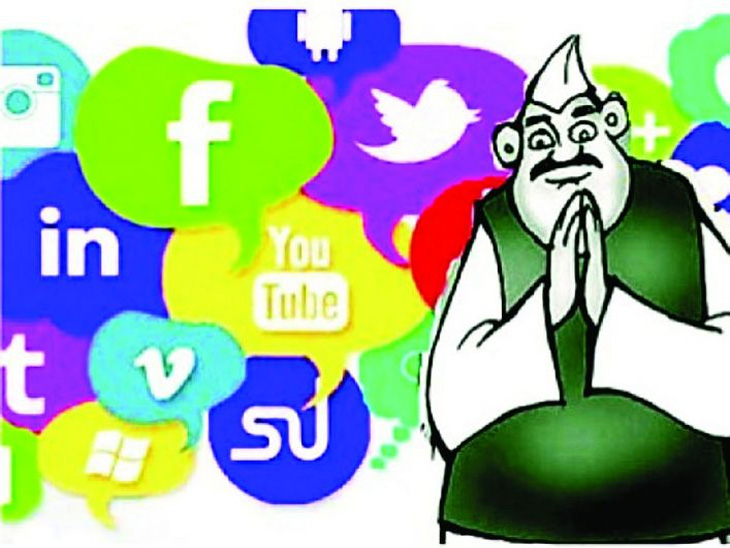
For over a decade, social media has been viewed as one of the biggest indicators of political popularity in India.

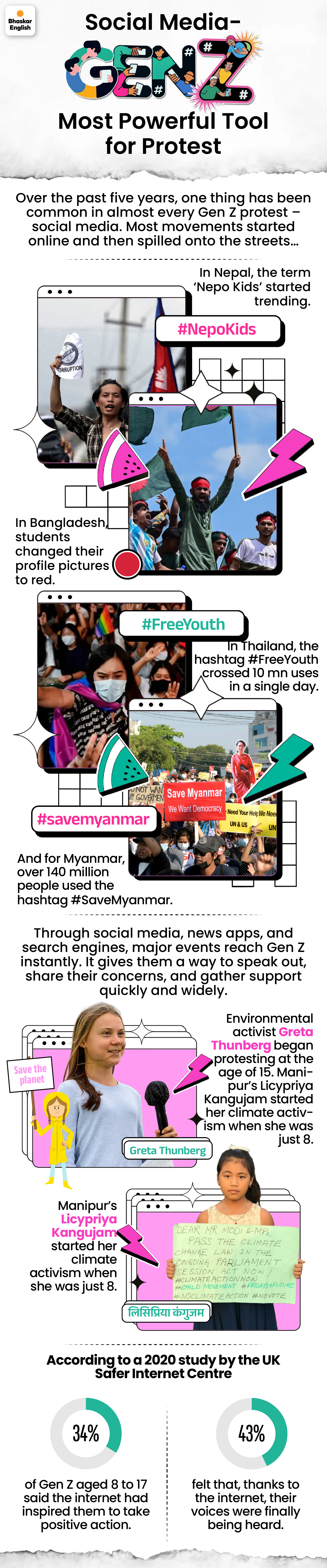
In 2014, Narendra Modi’s digital campaign transformed online engagement into an unprecedented electoral victory. Twelve years later, India’s largest youth-led movement, the Cockroach Janta Party (CJP), used the same platforms to force the resignation of Union Education Minister Dharmendra Pradhan.

The contrast raises a larger political question: Has social media stopped being a reliable indicator of electoral popularity?

Political analyst Nikhil Jain believes the answer is yes.

According to Jain, social media today measures visibility and public attention, not necessarily votes. While online backlash can pressure governments into taking political decisions, including resignations, elections continue to be decided largely by offline realities.
From campaign machine to protest platform

The BJP’s 2014 election campaign fundamentally changed political communication in India.

Facebook, Twitter, YouTube and WhatsApp allowed Narendra Modi to bypass traditional media and speak directly to millions of voters. Campaigns such as Chai Pe Charcha, 3D hologram rallies and a network of nearly 2.2 million digital volunteers helped the BJP convert online enthusiasm into an electoral landslide.

The party won 282 Lok Sabha seats—the first single-party majority in three decades.

At the time, social media largely amplified an existing political wave.

Today’s digital landscape is markedly different.

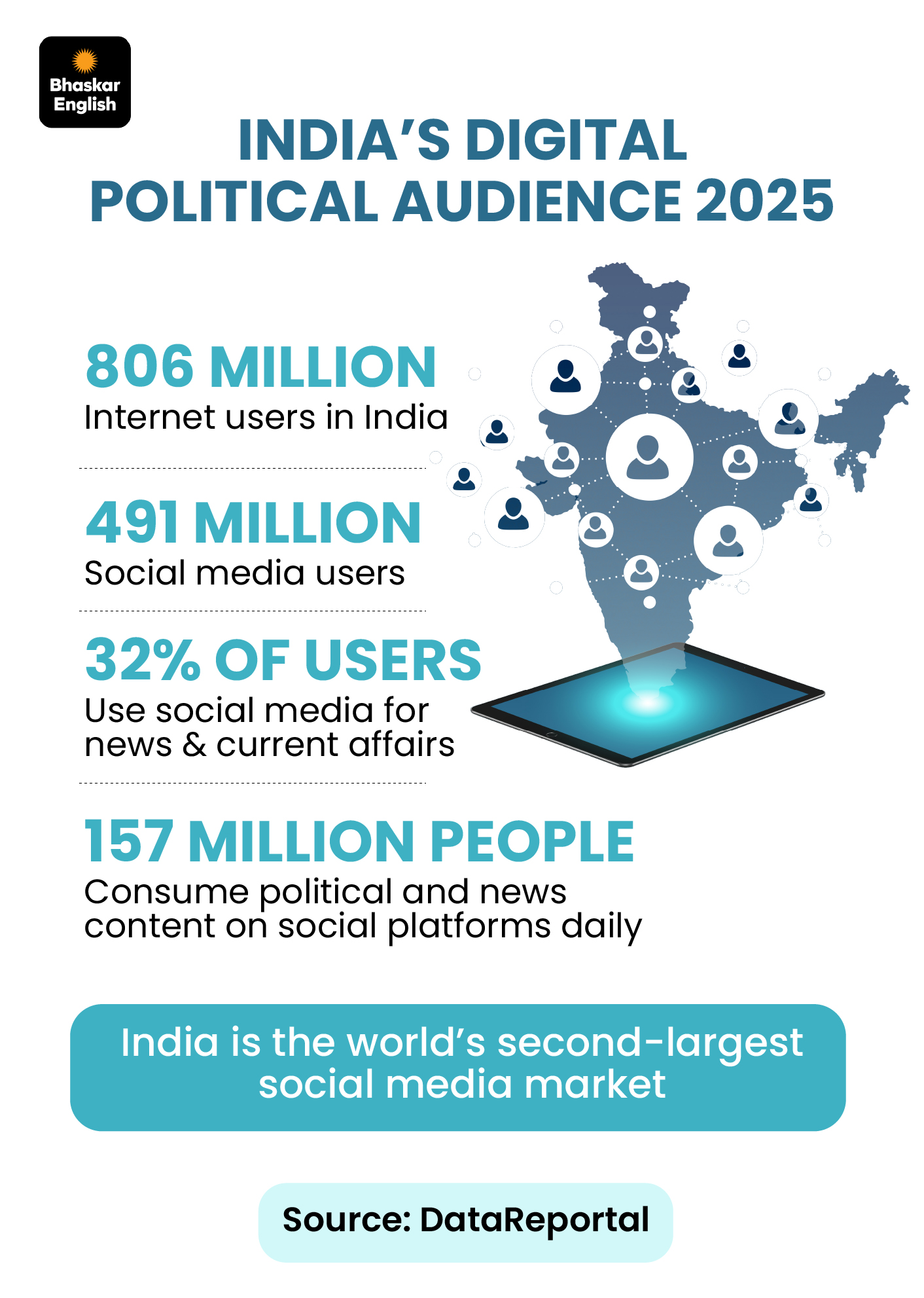
India now has more than 900 million internet users, every major political party operates dedicated digital teams, and platforms such as Instagram, YouTube Shorts and Telegram increasingly shape political conversations.

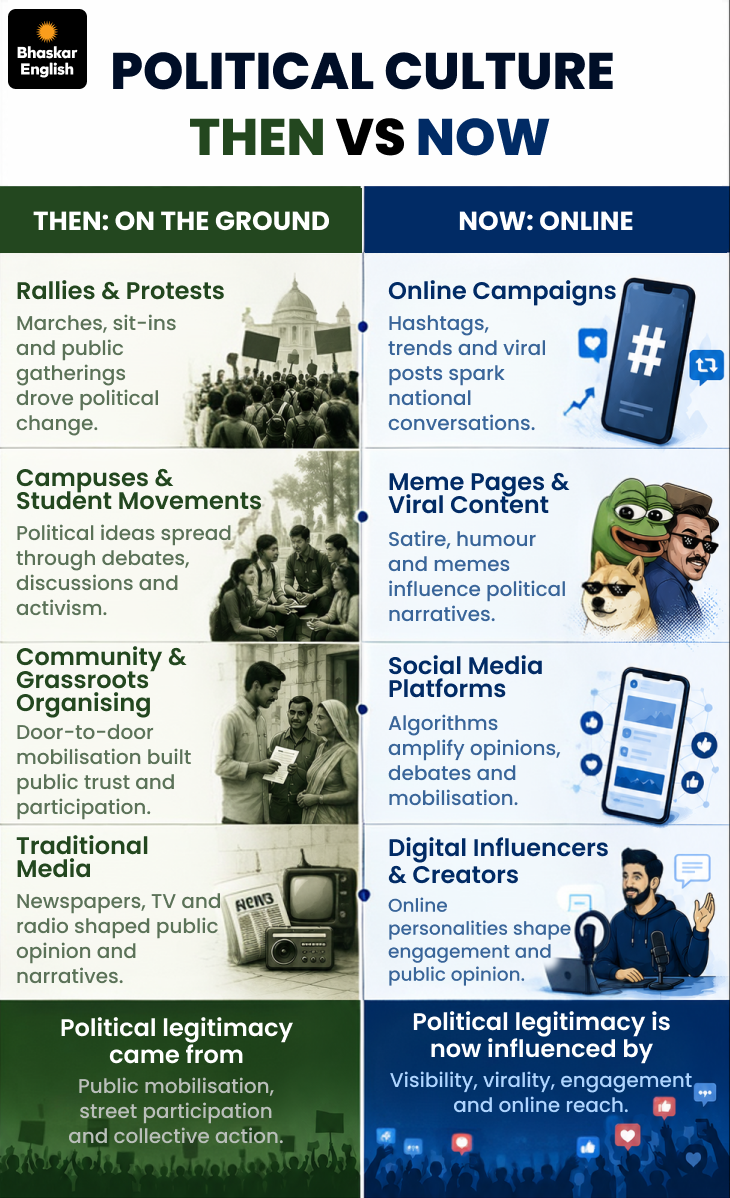
But unlike 2014, social media is no longer just a campaign tool. It has become a space where citizens organise protests, challenge governments and sustain political pressure independent of election cycles.
How India’s digital landscape has changed

That transformation became visible after the alleged leak of the NEET medical entrance examination paper in May 2026.

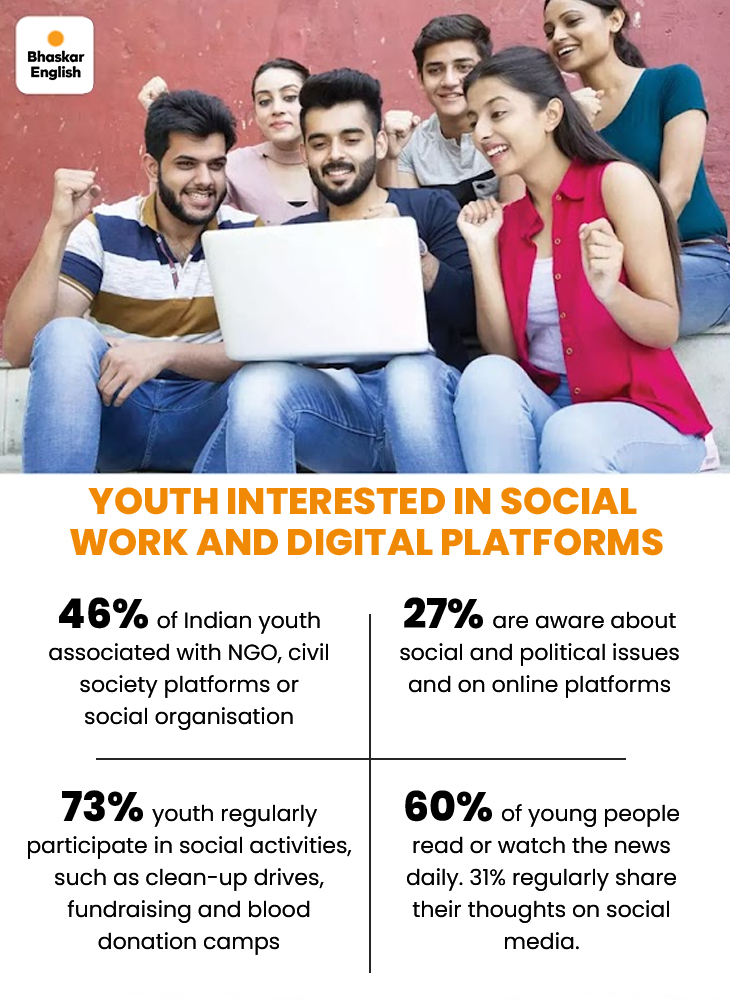
The youth-led Cockroach Janta Party rapidly emerged as the face of student anger, attracting nearly 22 million Instagram followers within days, more than twice the BJP’s Instagram following accumulated over several years.

The movement gathered further momentum after police cracked down on protesters marching towards Parliament on July 20.

Videos of the confrontation spread rapidly across social media, while memes, coordinated campaigns and sustained online mobilisation kept the issue in the national spotlight despite internet restrictions, account suspensions and allegations of foreign funding.

Five days later, Education Minister Dharmendra Pradhan resigned.

For Jain, the resignation illustrates social media’s ability to generate political consequences.

However, he argues that it does not prove that online popularity automatically translates into electoral success.
Do more followers mean greater political popularity?

Jain says one of the biggest misconceptions in modern politics is treating social media numbers as a proxy for public support.

According to him, many users follow political leaders simply because they occupy important public offices rather than because they support them politically.

“A strong or weak performance on social media doesn’t directly determine election outcomes,” Jain argues. “A one-sided online narrative may improve or weaken a party’s electoral prospects, but it cannot guarantee victory or defeat.”
Can digital backlash influence elections?

Jain believes social media affects elections indirectly rather than directly.

Online campaigns can shape public opinion, keep controversies alive, influence mainstream media coverage and pressure governments into responding.

The resignation of the education minister is one example of this dynamic.

Whether such pressure ultimately translates into votes, however, remains uncertain.

Around the same period as the protests, by-elections were held in Gujarat, Bihar and Madhya Pradesh.

The opposition won two of the three seats, including a Bihar constituency that had remained with the same political family for nearly three decades.

Jain describes the results as an early signal, suggesting youth dissatisfaction may be beginning to influence electoral behaviour.

But he cautions against drawing broader conclusions.

Three by-elections, he says, are far too small a sample to establish a nationwide trend, particularly when state and national elections are influenced by very different factors.

The more meaningful test is likely to come during the 2027 assembly elections in states such as Uttar Pradesh, Punjab and Gujarat, where youth unemployment and education issues are expected to remain politically significant.

Has the online backlash translated into votes?

Even if digital anger remains high, Jain argues that elections are shaped by variables social media cannot measure.

Candidate selection, caste and community equations, party organisation, booth-level mobilisation and voter turnout continue to outweigh online narratives in most Indian elections.

He also points to anti-incumbency as an important factor.

Governments that remain in office for more than a decade typically face growing public dissatisfaction regardless of any single controversy.

At the same time, Indian voters often distinguish between protest and voting.

Many people who criticise or demonstrate against a government may ultimately vote for it if they see no credible alternative.

This makes it difficult to isolate how much of any future electoral shift could be attributed specifically to the 2026 protests.

What do follower counts actually indicate?

The comparison between 2014 and 2026 highlights how India’s political use of social media has evolved.

In 2014, digital platforms largely helped convert political popularity into votes.

In 2026, they have become platforms capable of forcing accountability even before voters reach the ballot box.

The NEET protests demonstrated that sustained online mobilisation can shape the political agenda, dominate public discourse and even contribute to ministerial resignations.

But they also exposed the limits of digital metrics.

Follower counts may indicate attention. Viral campaigns may indicate public anger. Neither, by itself, measures electoral support.

As Jain argues, social media today is best understood as a force that influences politics rather than predicts elections. It can pressure governments, amplify public sentiment and create momentum for opposition parties, but whether that momentum becomes votes remains a question that only future elections can answer.
Source link

Gujarat Schools Colleges Closed & Haridwar Ganga Alert
Champat Rai Controls VIP Darshan, Oversees ₹1800 Crore Accounts
CJP Spokesperson Saurav Das Defends Woman
Bihar Supaul MVI Asmita Kumari Plots Engineer Husband Murder
Calcutta High Court Admits PIL Challenging West Bengal Anti-Goonda Law Over Preventive Detention Powers
TAGGED:BacklashChangedigital voting behaviorElectionelection results 2026Gen Z protests IndiaIndia digital politicsIndia political trendsIndian electionsOnlineonline protest impactResultssocial media backlash
Share This Article
Facebook Email Print
Leave a Comment

Leave a Reply Cancel reply

Your email address will not be published. Required fields are marked *

Follow US

Find US on Social Medias
FacebookLike
XFollow
YoutubeSubscribe
TelegramFollow

Weekly Newsletter

Subscribe to our newsletter to get our newest articles instantly!
[mc4wp_form]
Popular News
U.K News

Calcutta High Court Stays Abhishek Banerjee’s Amtala Office Demolition, Seeks Construction Records

krutikadalvibiz@gmail.com
July 19, 2026
Benefits of Yoga: 10 Ways Your Practice Can Improve Your Life
Sonam Wangchuk Hunger Strike | Delhi Hospital Visit & Protest Photos
Indias Bridge Man Girish Bhardwaj Dies; Sanjeev Jain Ambassador
Girls Higher Ed Enrollment Up 42.2% Amidst School Closures
- Advertisement -
Ad imageAd image
Global Coronavirus Cases

Confirmed

0

Death

0

More Information:Covid-19 Statistics

Categories

  • ES Money
  • U.K News
  • The Escapist
  • Insider
  • Science
  • Technology
  • LifeStyle
  • Marketing

About US

We influence 20 million users and is the number one business and technology news network on the planet.
Quick Link
  • My Bookmark
  • My Bookmark
  • InterestsNew
  • InterestsNew
  • Contact Us
  • Contact Us
  • Blog Index
  • Blog Index
Top Categories
  • My Bookmark
  • My Bookmark
  • InterestsNew
  • InterestsNew
  • Contact Us
  • Contact Us
  • Blog Index
  • Blog Index

Subscribe US

Subscribe to our newsletter to get our newest articles instantly!

[mc4wp_form]
India Republic TimesIndia Republic Times
India Republic Times 2026 © Powered by Thryve Group LLP. All Rights Reserved.
Welcome Back!

Sign in to your account

Username or Email Address
Password

Lost your password?


