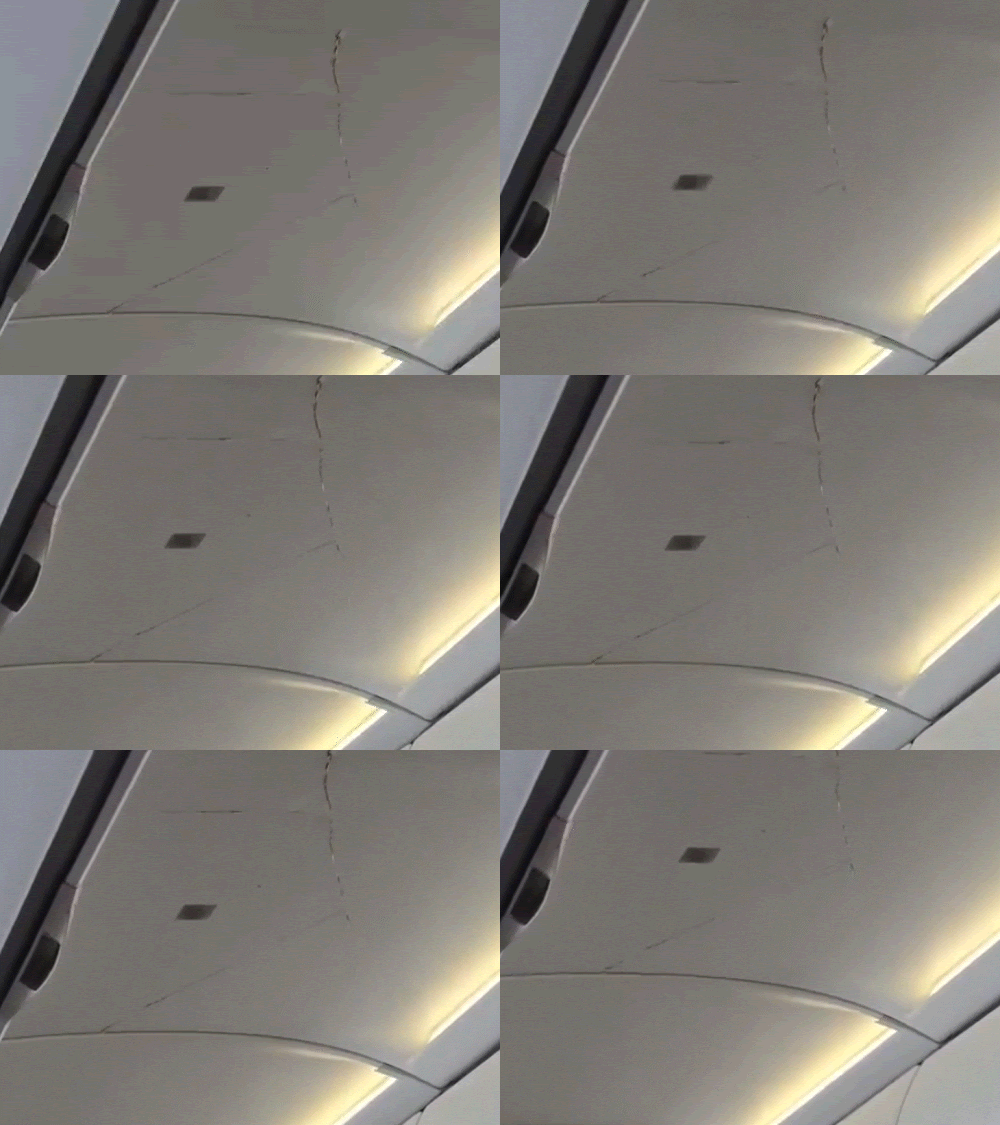

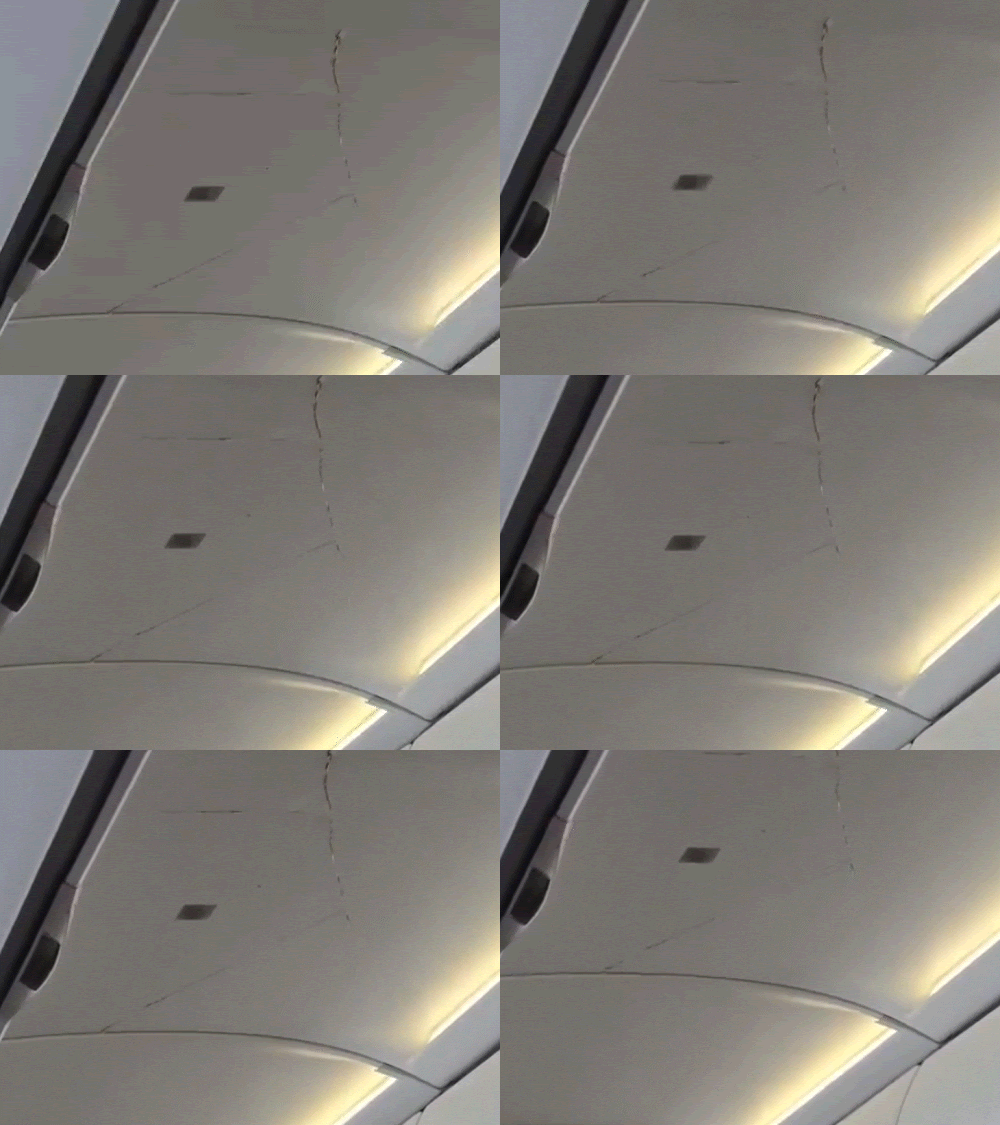
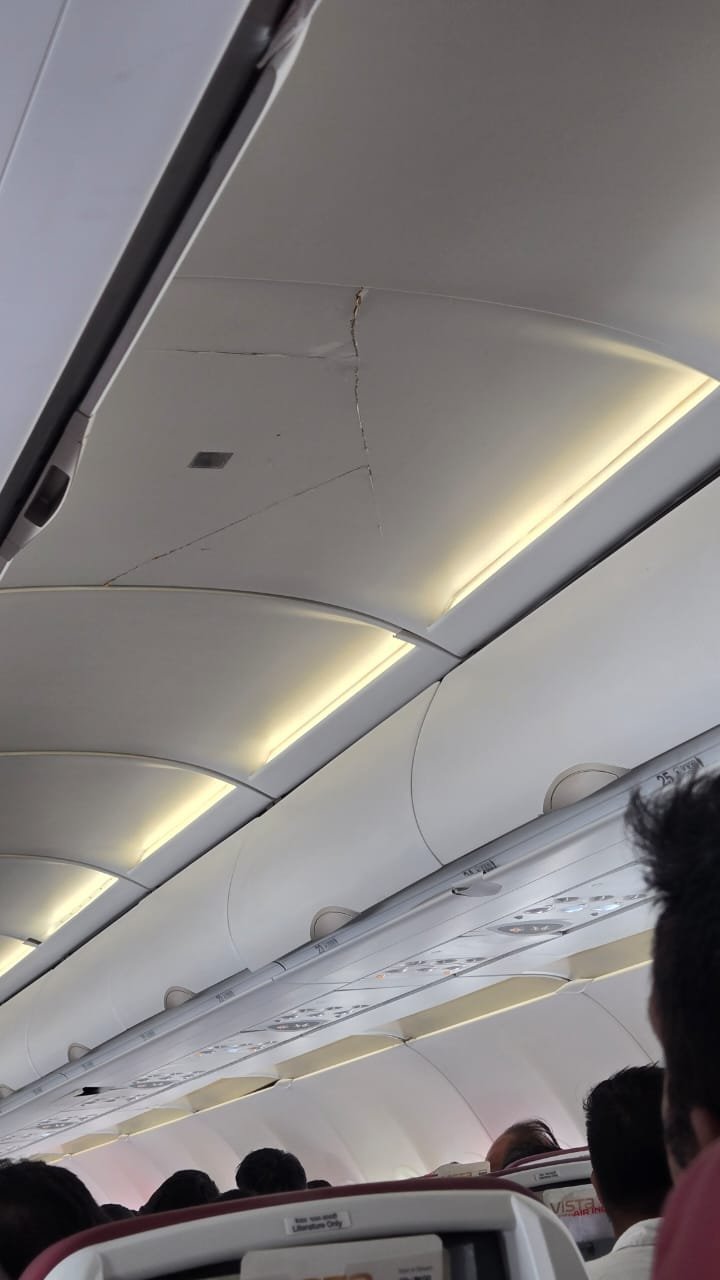
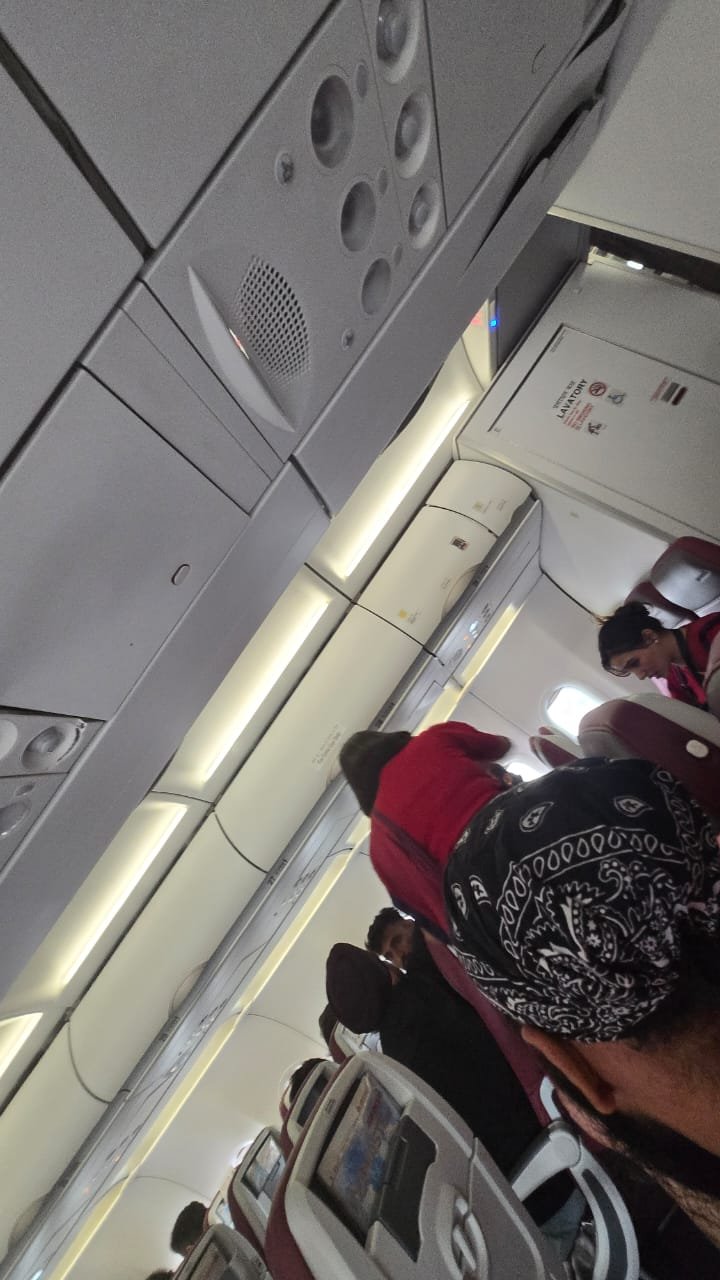
Air India flight AI2379 from Phuket to Delhi encountered severe turbulence on Tuesday, causing the aircraft to shake mid-air. However, the pilots managed the situation and landed the aircraft safely at Delhi Airport.
The airline said all passengers and crew members are safe. A few passengers and crew sustained minor injuries, but no serious injuries have been reported.
Those injured were taken to the airport’s medical centre for examination and precautionary treatment.
Air India said the safety of passengers and crew remains its highest priority. The airline is providing all necessary assistance to those affected and is fully cooperating with authorities investigating the incident.
What is turbulence?
Turbulence occurs when the airflow that keeps an aircraft stable is disrupted. This causes the aircraft to shake and move unpredictably, sometimes deviating briefly from its normal flight path. In some cases, the aircraft may suddenly lose or gain altitude by several feet.
This is why passengers often feel as though the aircraft is “dropping” during turbulence. Flying through turbulence is often compared to driving a car over a rough, uneven road. Some turbulence is mild, while other instances can be severe.
For an aircraft to fly smoothly, air must flow evenly over and under its wings. Changes in weather or atmospheric conditions can disturb this airflow, creating air pockets that lead to turbulence.
Three types of turbulence
Light turbulence: The aircraft moves up or down by up to 1 metre. Passengers may barely notice it.
Moderate turbulence: The aircraft can move 3-6 metres vertically, causing drinks or loose objects to spill.
Severe turbulence: The aircraft may move by as much as 30 metres. Passengers not wearing seat belts can be thrown from their seats.
Can turbulence cause a plane crash?
Advances in modern aircraft design and technology have made crashes caused solely by turbulence extremely rare. Commercial aircraft are built to withstand even severe turbulence, and pilots receive extensive training to handle such situations.
However, turbulence has contributed to some aviation accidents in the past:
1994: USAir Flight 1016 crashed during landing after encountering thunderstorm-related turbulence, killing 37 people.
1999: American Airlines Flight 1420 overran the runway after turbulence associated with severe weather during landing, killing 11 of the 145 people on board.
2001: American Airlines Flight 587 crashed shortly after takeoff due to wake turbulence, killing all 260 people on board.