
- English News
- National
- Indian Navy Commissions INS Malvan, Indigenous Mahe Class Warship Boosts Anti Submarine And Coastal Defence Capabilities
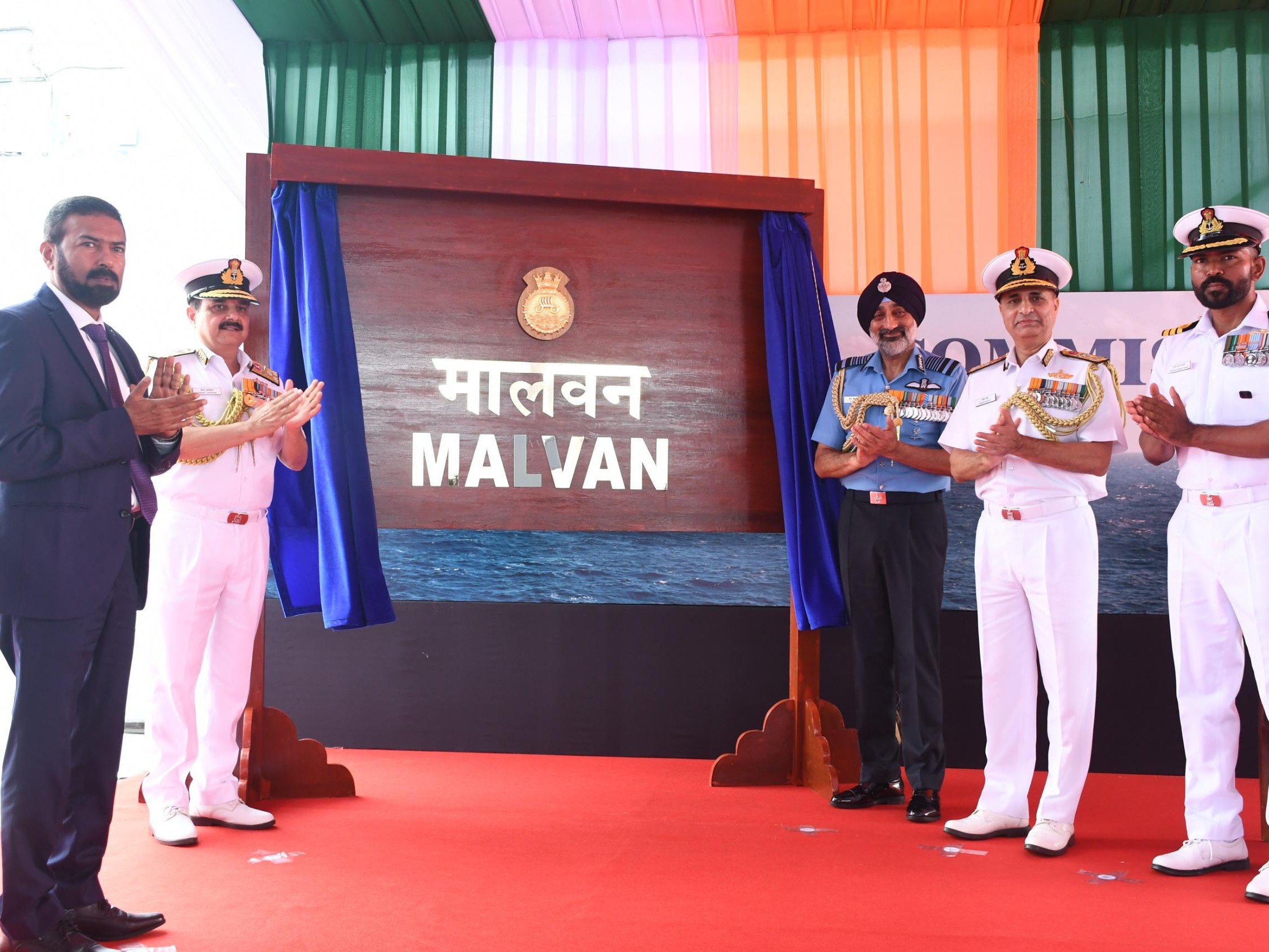
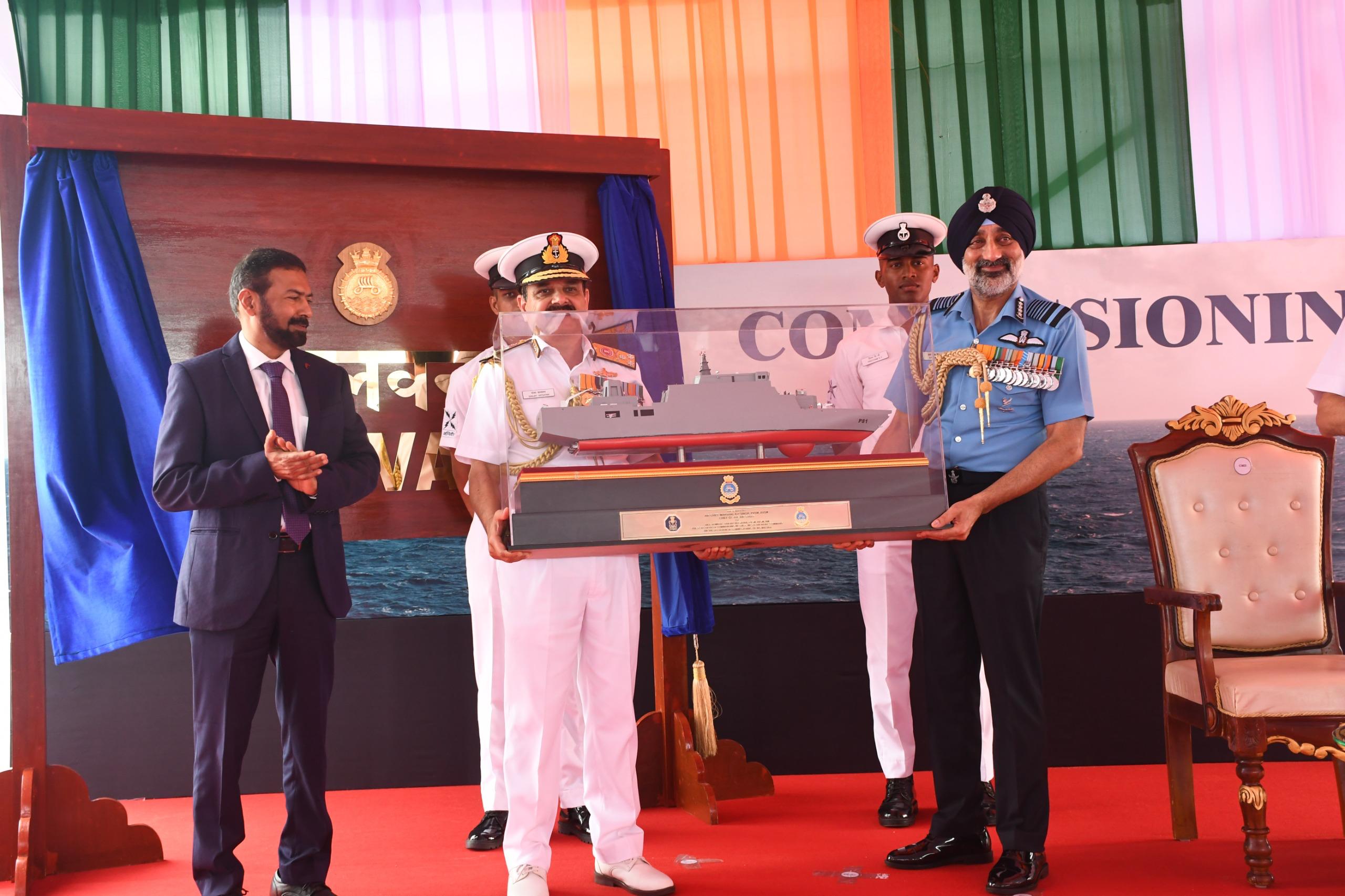
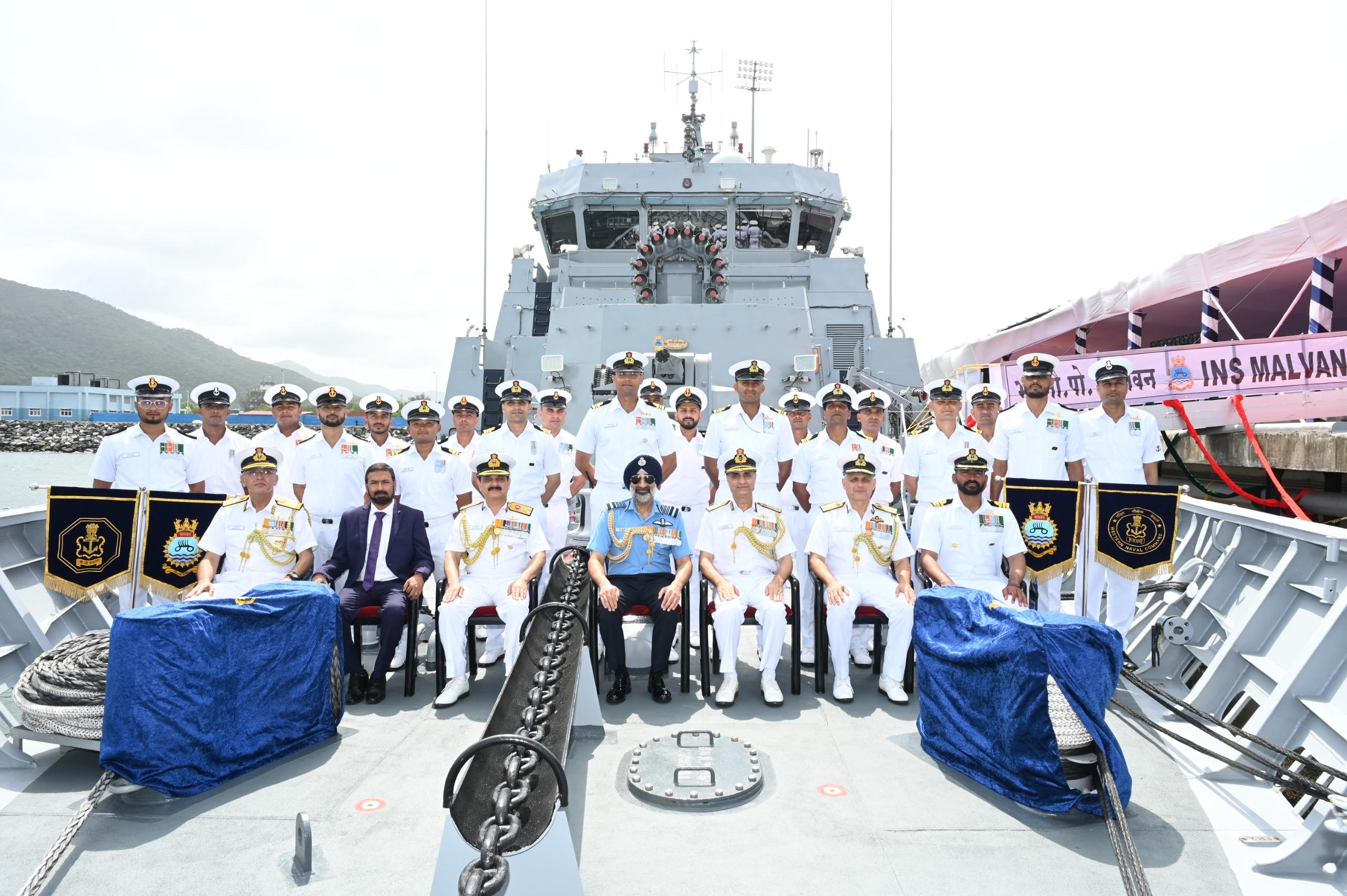
The Indian Navy on Tuesday commissioned INS Malvan, the second Mahe-class Anti-Submarine Warfare Shallow Water Craft (ASW-SWC), at Karwar in Karnataka. The commissioning ceremony was presided over by Air Chief Marshal AP Singh, Chief of the Air Staff, in the presence of Vice Admiral Sanjay Vatsayan, Flag Officer Commanding-in-Chief of the Western Naval Command.
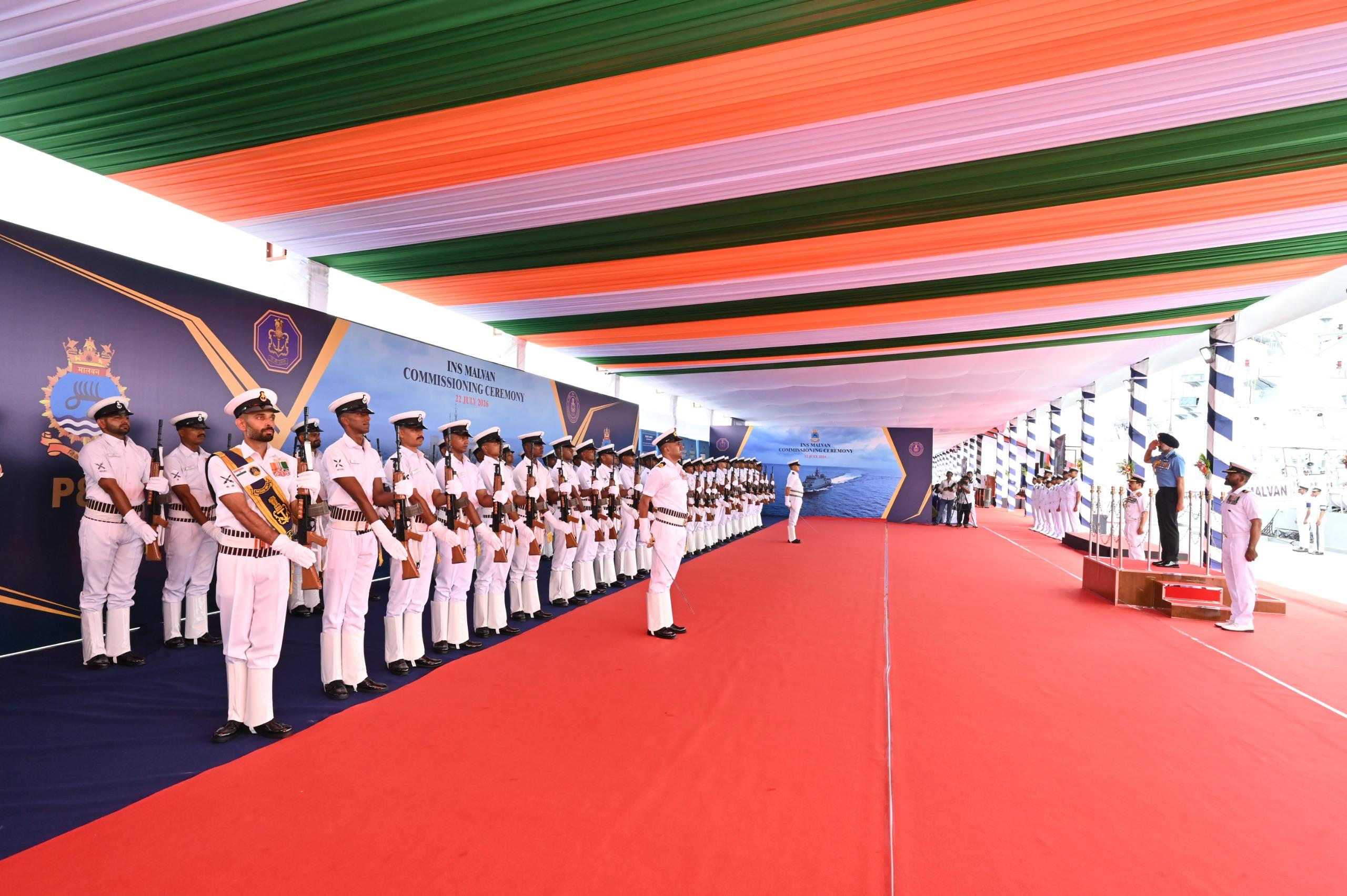
INS Malvan commissioned at Karwar naval base
Named after the historic coastal town of Malvan in Maharashtra, the warship pays tribute to the region’s rich maritime legacy associated with Chhatrapati Shivaji Maharaj. It also honours an earlier Indian Navy minesweeper that served until 2003.
Indigenous vessel strengthens India’s naval self-reliance
Built by Cochin Shipyard Limited in Kochi, INS Malvan is the second of eight Mahe-class vessels under construction and the sixth of 16 ASW shallow water craft to be inducted into the Navy. With more than 80 per cent indigenous content, the vessel reflects India’s push for self-reliance in defence manufacturing under the Aatmanirbhar Bharat initiative.
Advanced systems boost underwater combat capabilities
INS Malvan is equipped for underwater surveillance, anti-submarine warfare, low-intensity maritime operations, and mine warfare. The Navy said the vessel will strengthen coastal defence, improve littoral security, and enhance maritime domain awareness.
Tiger’s Claw crest symbolises stealthy maritime power
The ship’s crest features the ‘Bagh Nakha’ (Tiger’s Claw), symbolising stealth, agility, and decisive strike capability. Its motto, “Silent Claws,” reflects its role in carrying out silent and effective anti-submarine operations.
Air Chief stresses maritime security preparedness
Speaking at the event, Air Chief Marshal AP Singh highlighted the importance of protecting sea lines of communication amid global uncertainties. He praised the Navy’s indigenous shipbuilding programme and called for greater tri-service integration among the Army, Navy, and Air Force to strengthen India’s future combat readiness.