
13 minutes agoAuthor: Samira Siddiqui
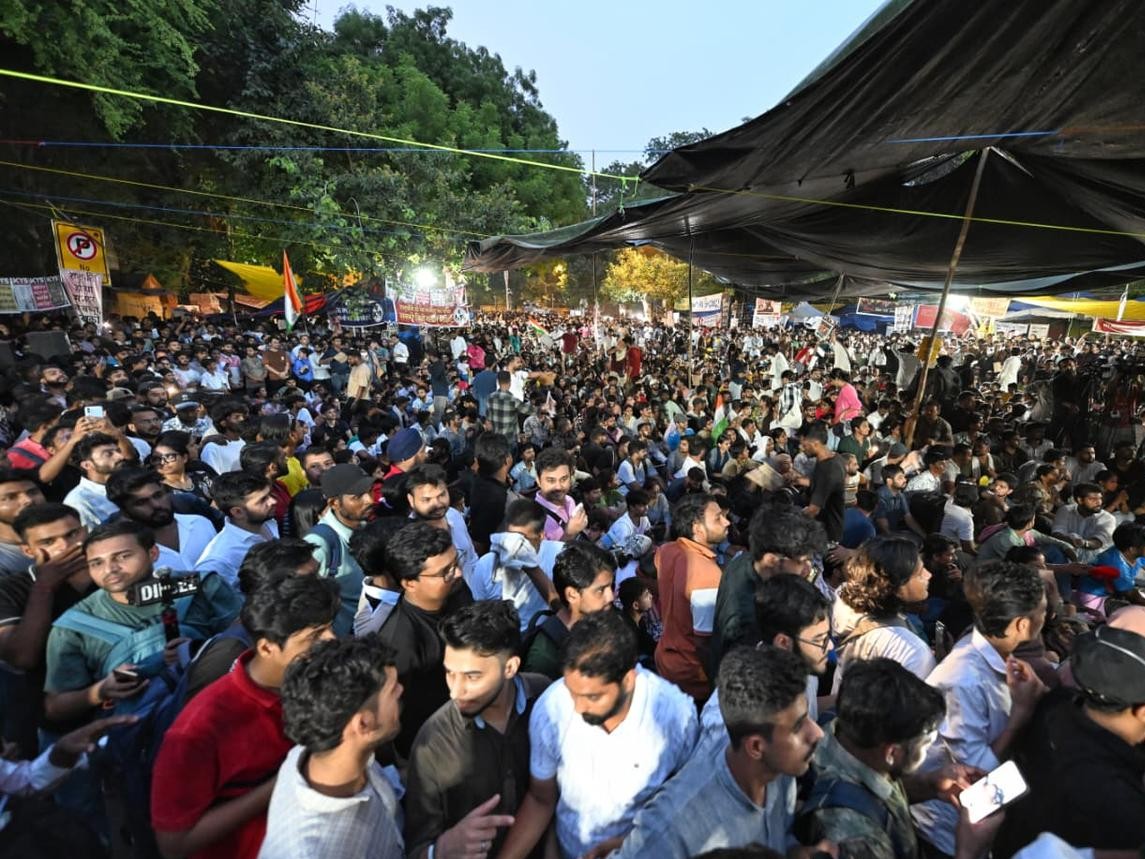
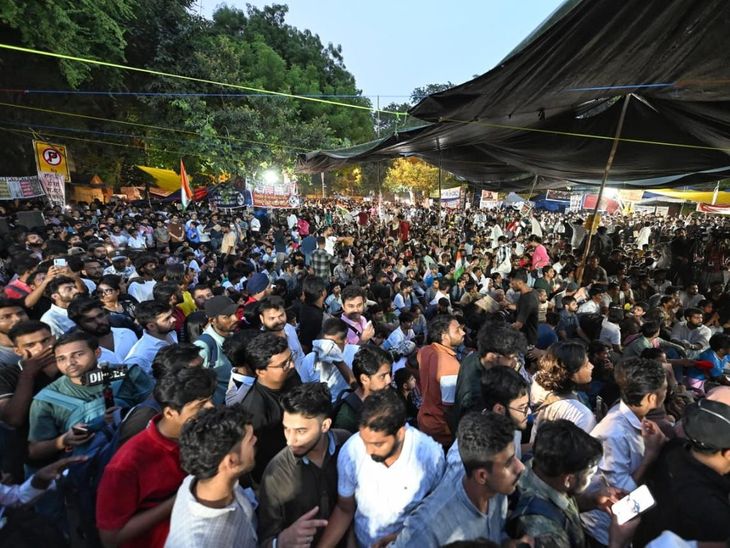
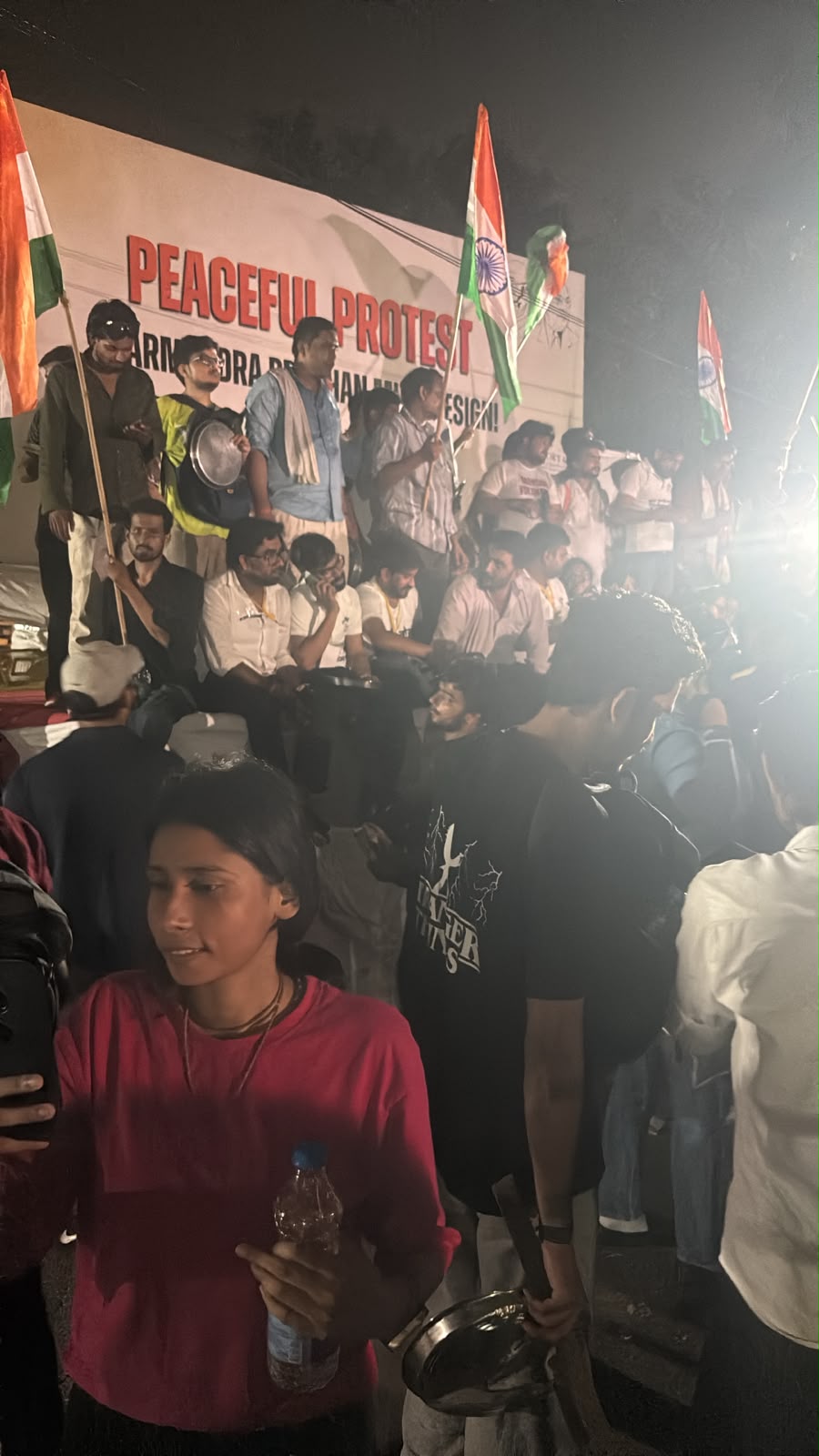
The debate around NEET is far from over. Even as students continue to protest in Delhi over alleged irregularities and demand greater transparency, the National Testing Agency (NTA) has issued a fresh warning against the use of fake and AI-generated OMR answer sheets and scorecards.
The advisory comes days after the declaration of the NEET UG 2026 results, with the NTA saying that some candidates submitted digitally altered OMR sheets, claiming that the answer sheets uploaded by the agency did not belong to them or had been exchanged. However, the agency said its verification found that these documents were fabricated and did not match its official records.
NTA says official records matched every result
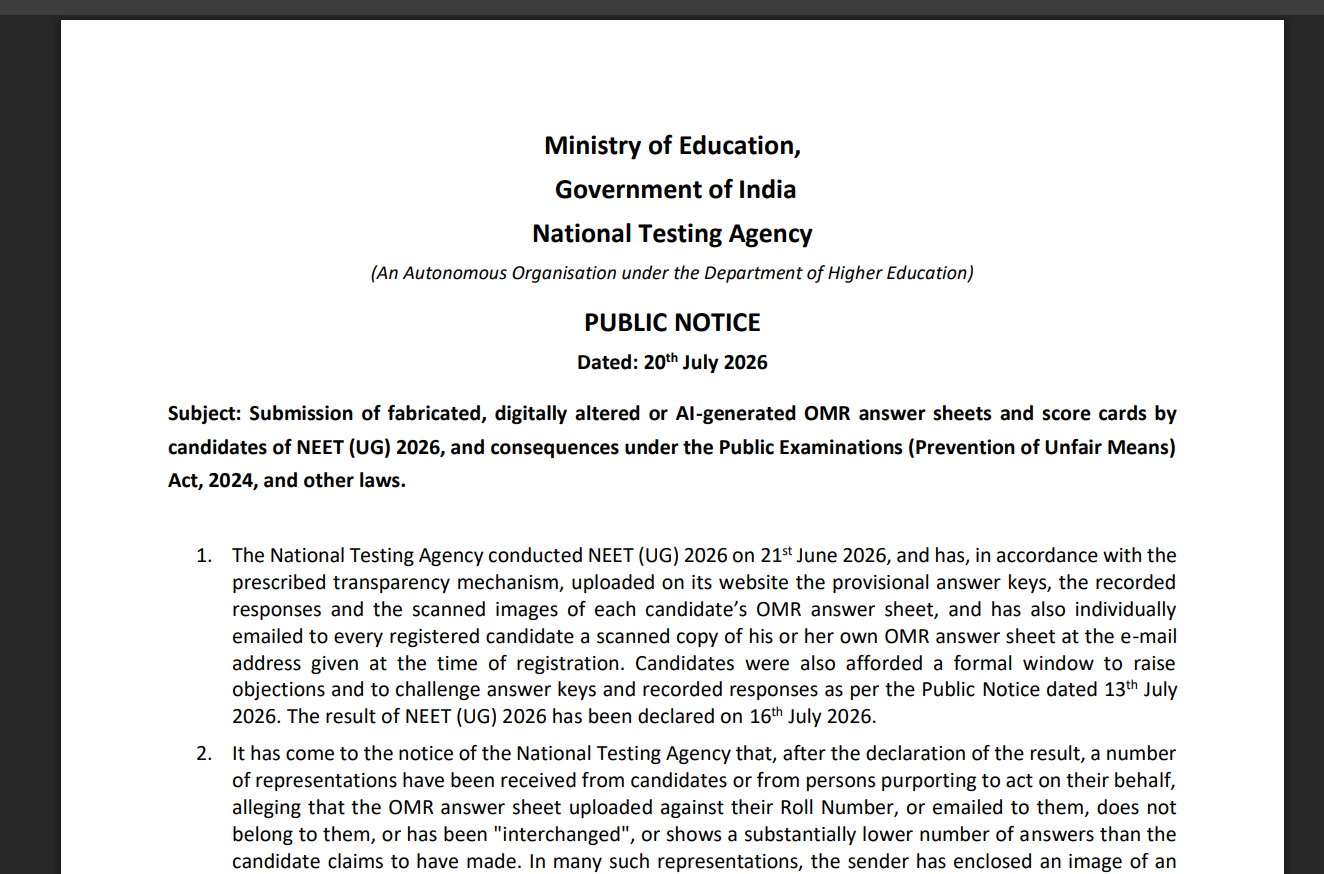
Image credit: Screen grab from NTA note.
According to the NTA, every complaint received after the results were carefully examined. The agency said that in all the cases reviewed, official details, including the candidate’s OMR sheet, roll number, barcode, test booklet number, signature, thumb impression and invigilators’ signatures, matched the results declared by the NTA.

Forensic and record-based verification established that the documents submitted by candidates or their representatives were not genuine OMR sheets issued by the agency.
The agency added that the documents were either digitally manipulated or completely fabricated. Here’s the link to the official note by NTA.
How were fake OMR sheets created?
The NTA said investigators found several ways in which fake documents were created.
According to the agency, some people used AI-based image editing tools to recreate printed sections of OMR sheets. Others digitally replaced personal details such as names, signatures, and thumb impressions while keeping the original barcode and marked answers unchanged to make the documents appear genuine.
In some cases, marks or response counts were altered on downloaded scorecards without changing the embedded QR code or barcode. Investigators also found fake scorecards carrying the names of people who had never even registered for NEET UG 2026.
The agency said these documents may look convincing, but they cannot change the official records stored on secure servers.
Also read: A robot that climbs walls to do dangerous industrial jobs:China showcases VR-operated humanoid robot that welds and removes rust on vertical walls Why can’t these fake documents work?
The NTA explained that every genuine NEET document carries unique identifiers such as barcodes, QR codes, answer sheet numbers and test booklet numbers.
These details are linked to a single official record maintained securely by the NTA and the National Informatics Centre (NIC).
The official database remains the sole authoritative source for determining candidates’ responses and scores.
Whenever disputed documents were compared with these records, the fake versions were identified and rejected, the agency said.
Strict legal action for fake documents
The NTA warned that creating, possessing, sharing or submitting fake or AI-generated OMR sheets and scorecards is a cognisable offence.
Those found guilty could face action under:
- Public Examinations (Prevention of Unfair Means) Act, 2024
- Bharatiya Nyaya Sanhita (BNS), 2023
- Information Technology Act, 2000
Apart from criminal prosecution, candidates may also face cancellation of their candidature and be barred from appearing in future NTA examinations. The agency added that legal action will not be limited to students alone. Coaching centres, education consultants, or any individual involved in preparing, supplying, or promoting forged documents may also face prosecution.
Students can still raise genuine concerns
The NTA clarified that students with legitimate grievances can still approach the agency through its official helpdesk. Candidates have been asked to submit their application number, roll number, details of the discrepancy, and only documents officially issued by the NTA or downloaded from its portal.
However, the agency warned that submitting fabricated documents—even if provided by someone else- could still invite legal action. In such cases, candidates are expected to identify the person who misled them and cooperate with the investigation.
Also read: Who decides a call is ‘spam’ on your phone?:Know how Airtel, Truecaller, and Google use AI-powered caller IDs to identify fraud calls NTA’s message to students and parents
The NTA has urged students, parents, guardians, coaching institutes and education consultants to rely only on official NEET documents and avoid sharing or believing manipulated images circulating online.
The agency reiterated that its official records remain the final authority in deciding candidates’ responses and scores and warned that any attempt to use forged documents would result in strict legal and administrative action.