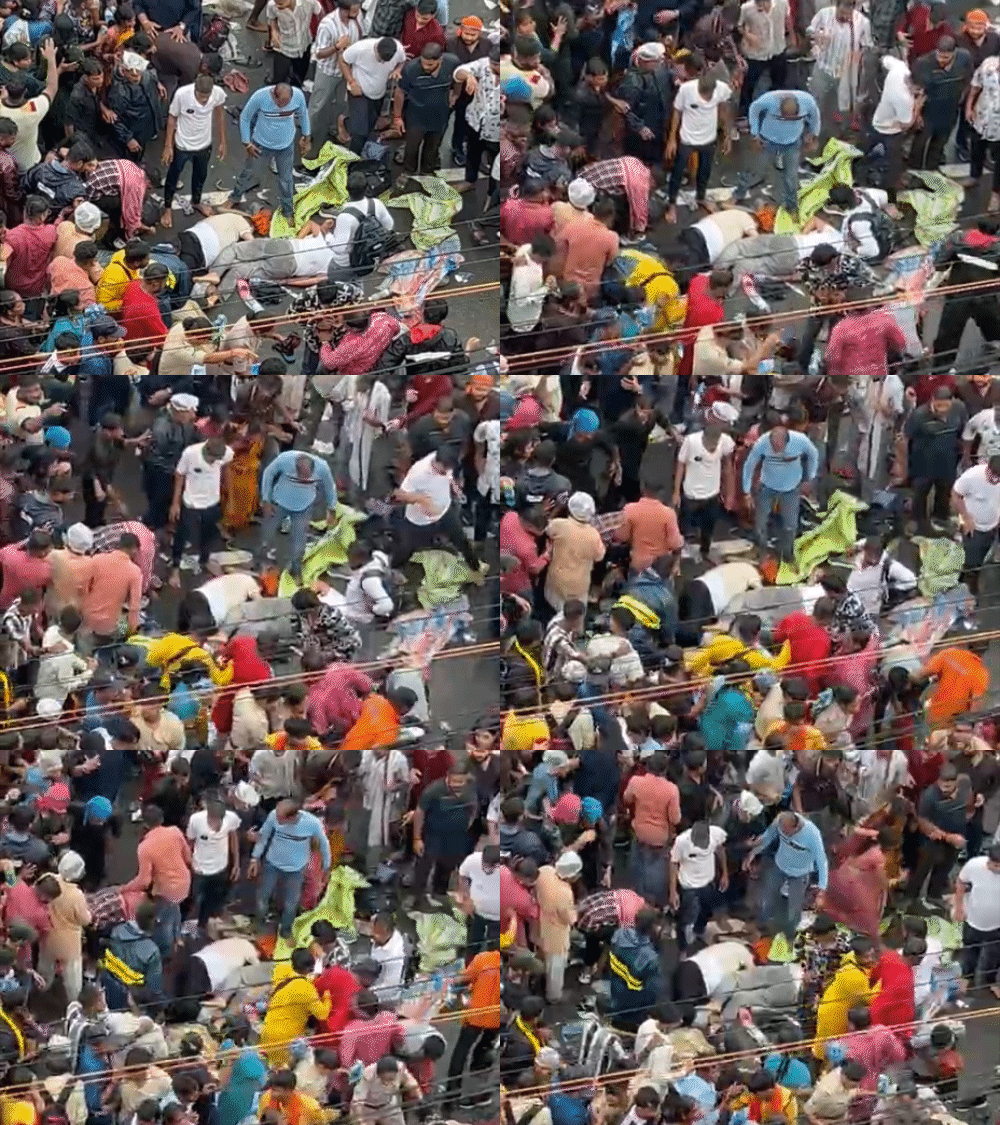

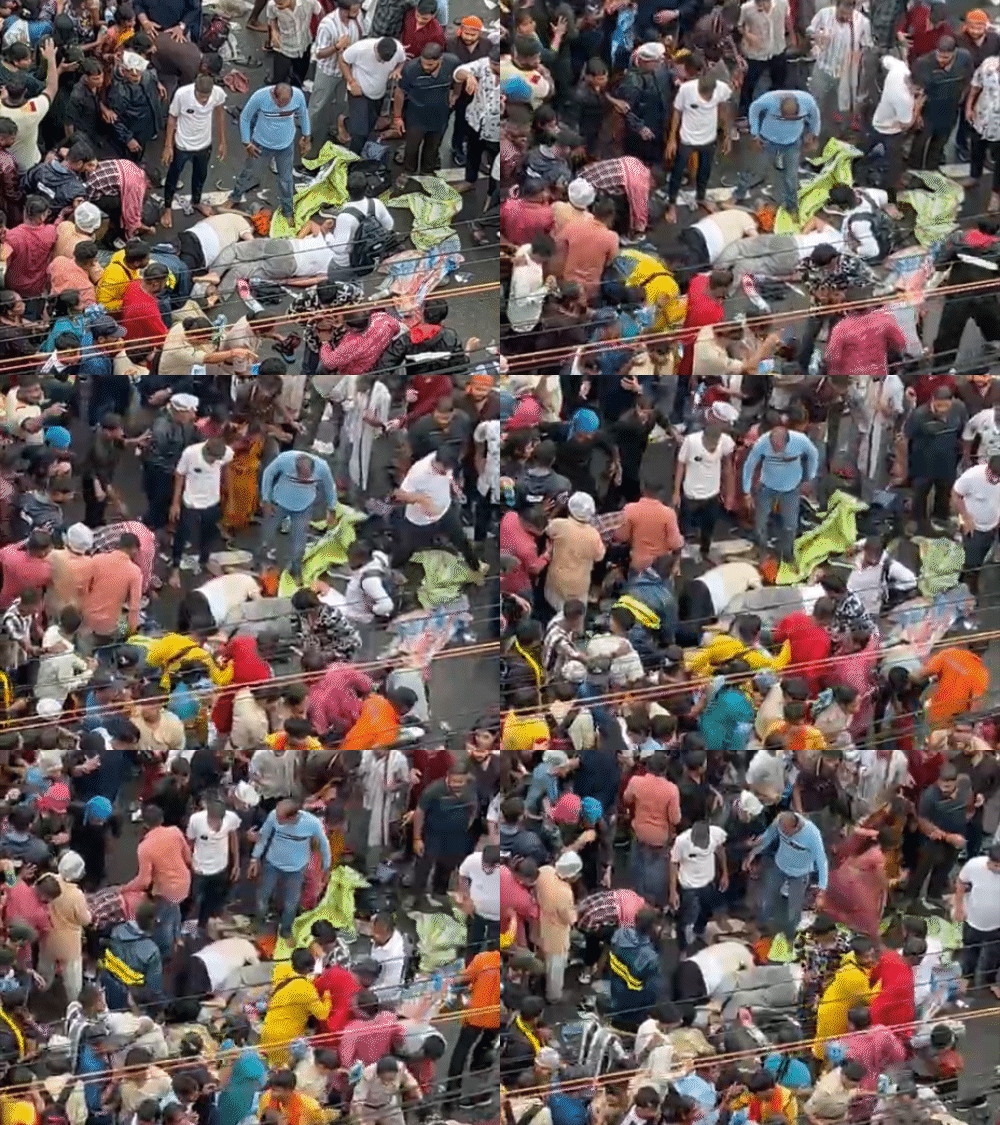
Several people fainted and fell in the crowd due to suffocation during the Rath Yatra.
The world-famous Rath Yatra of Lord Jagannath was held in Puri, Odisha, on Thursday amid continuous rainfall, drawing an estimated 10 lakh devotees. The Odisha government said the two deaths reported during the procession were not caused by a stampede or any failure in crowd management.
According to the Chief Minister’s Office (CMO), seven devotees were taken to hospital after falling ill during the festival. A 60-year-old devotee later died, with the exact cause of death still under investigation. Another devotee, aged over 35, died after suffering a heart attack.
State authorities said the procession drew around 10 lakh participants. By late evening, Lord Jagannath’s chariot had travelled about 200 metres, Lord Balabhadra’s chariot around 500 metres, and Goddess Subhadra’s chariot approximately 700 metres before the procession was halted for the day.
The Rath Yatra is scheduled to resume on Friday at 9:30am following the customary puja and bhog rituals.
3 pictures of Puri Rath Yatra…
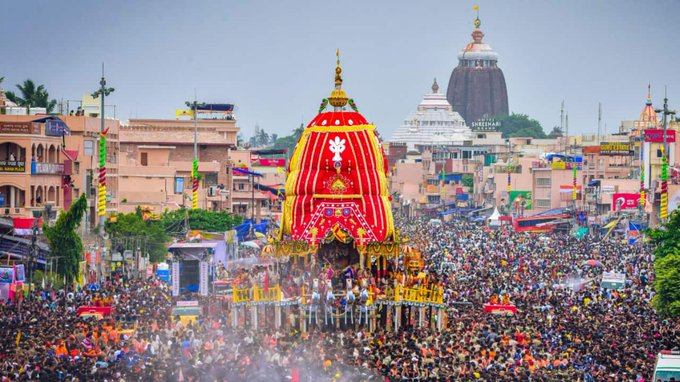
A huge crowd of devotees gathered in Puri for darshan of Lord Jagannath and to pull the chariot.
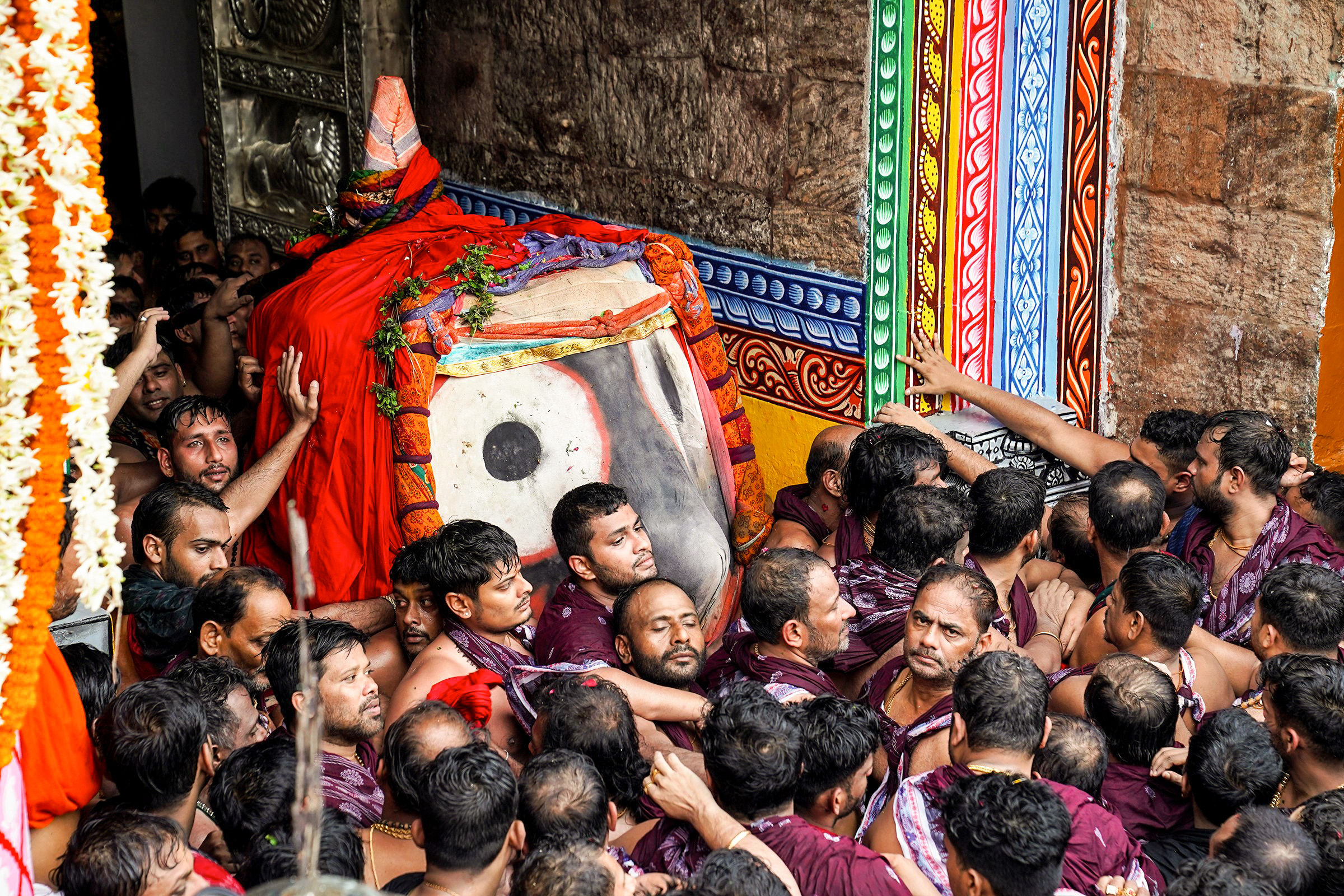
The temple sevayats carried Lord Jagannath on their shoulders from the sanctum sanctorum to the chariot.
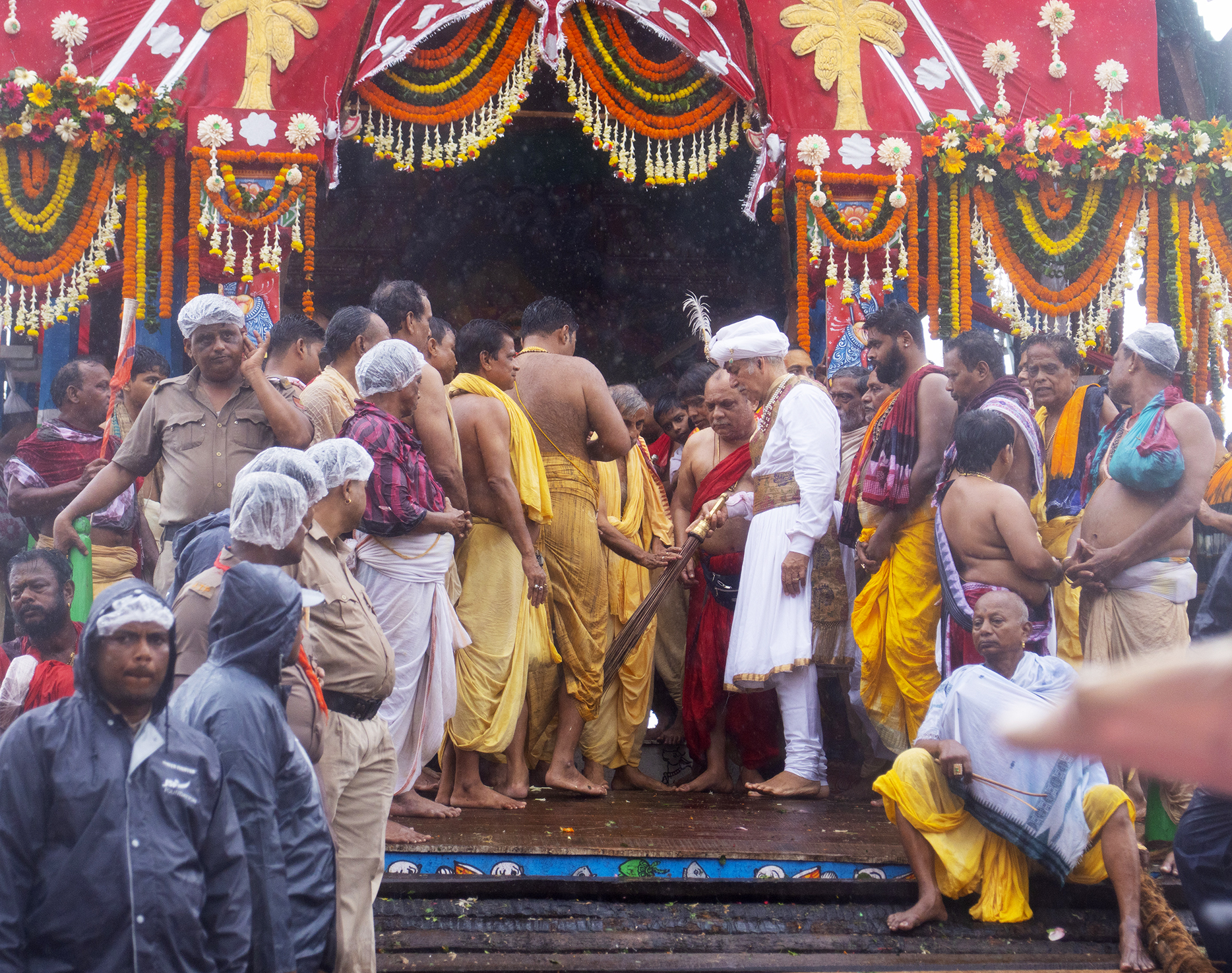
Gajapati Maharaja Divyasingh Deb of Puri performed the cleaning with a golden broom before the Rath Yatra procession.
It was raining since morning, as soon as it stopped, devotees started suffocating due to jostling
Rain lashed Puri from Thursday morning, with several key rituals of the Rath Yatra taking place despite the downpour. The chariots began moving at around 5pm, and the rain stopped roughly an hour later. As the weather cleared, devotees staying in hotels and lodges poured onto the streets, leading to a sharp surge in the crowd around the chariots and causing heavy jostling.
The India Meteorological Department had forecast heavy rainfall during the festival, and officials had anticipated that the weather would reduce the number of participants. However, once the rain eased, far more devotees gathered than expected, overwhelming the crowd management arrangements. Along sections of the Rath Yatra route, the density of the crowd increased significantly, with devotees struggling to move and, in some areas, falling over one another amid the crush.
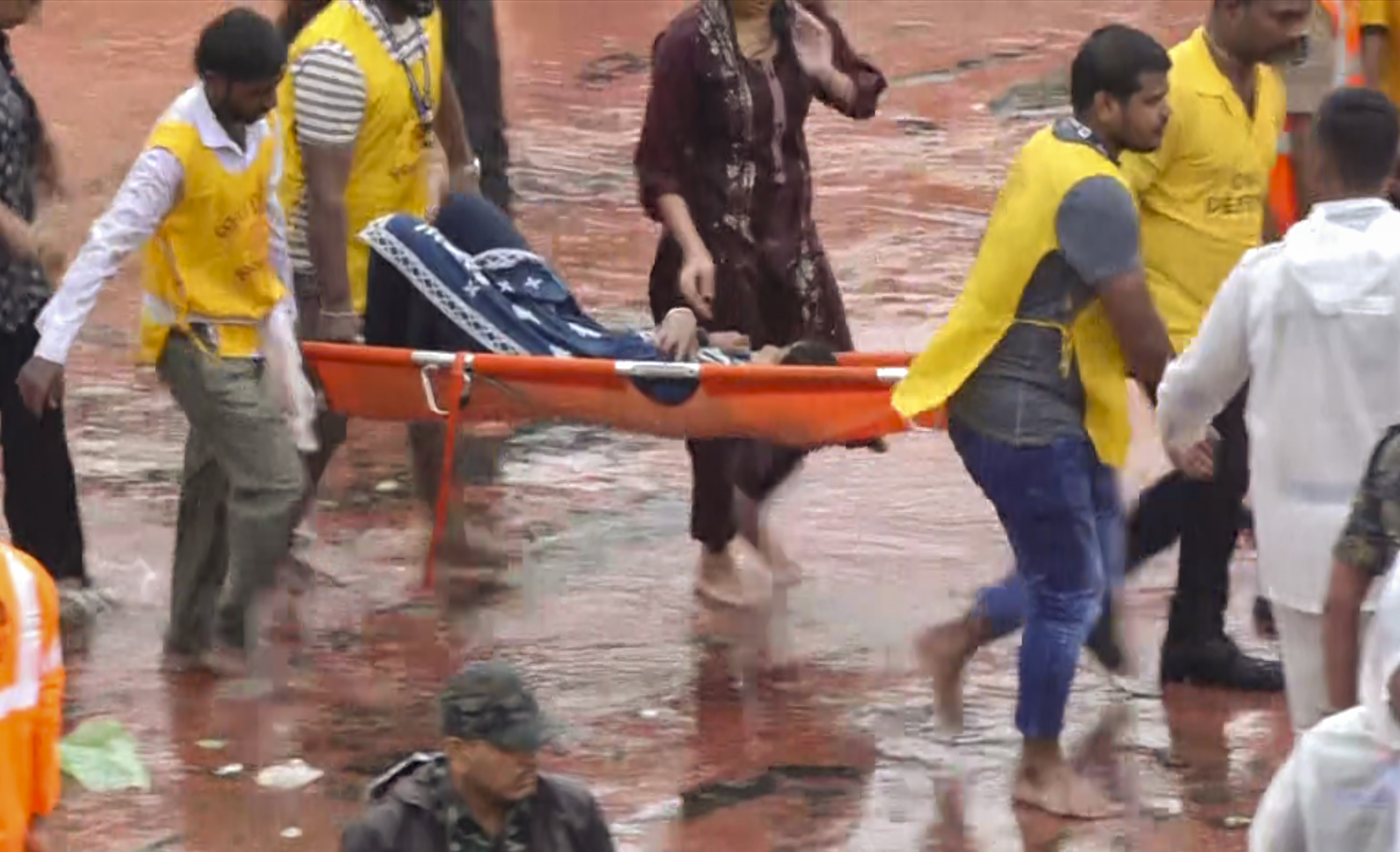
Relief workers taking an unconscious woman to the hospital on a stretcher during the Rath Yatra.
4 lapses during Rath Yatra led to stampede-like situation
- The crowd kept increasing from the Lion’s Gate of the temple to the chariots, police did not stop them.
- Police did not make arrangements to close entry or divert when the crowd increased.
- People kept moving in different directions. There were no clear routes for coming and going.
- Barricading became a choke point instead of controlling the crowd. Barricades meant to prevent cross movement did not work.
Why does Jagannath go to Gundicha Temple?
- It is believed that Gundicha Temple is the house of Lord Jagannath’s aunt. Only once a year during the Rath Yatra, Lord Jagannath, Balabhadra and Subhadra come here. The three deities remain here for 7 days. After this, on the eighth day, they return to Jagannath Temple through the Bahuda Yatra.
- It is believed that King Indradyumna had the Jagannath Temple constructed. Therefore, the temple was named after King Indradyumna’s wife, Queen Gundicha. Only during the Rath Yatra once a year, Lord Jagannath resides here for 7 days.
- The rest of the time the temple remains empty. After the Rath Yatra, lakhs of devotees have darshan of the Lord here. One day before the Rath Yatra, the entire temple is cleaned. This is called Gundicha Marjan. On the eighth day of the Rath Yatra during the return journey (Bahuda Yatra), the Lord stops at the Mausi Maa Temple. Here, he is offered Odisha’s traditional ‘Poda Pitha’ as bhog.