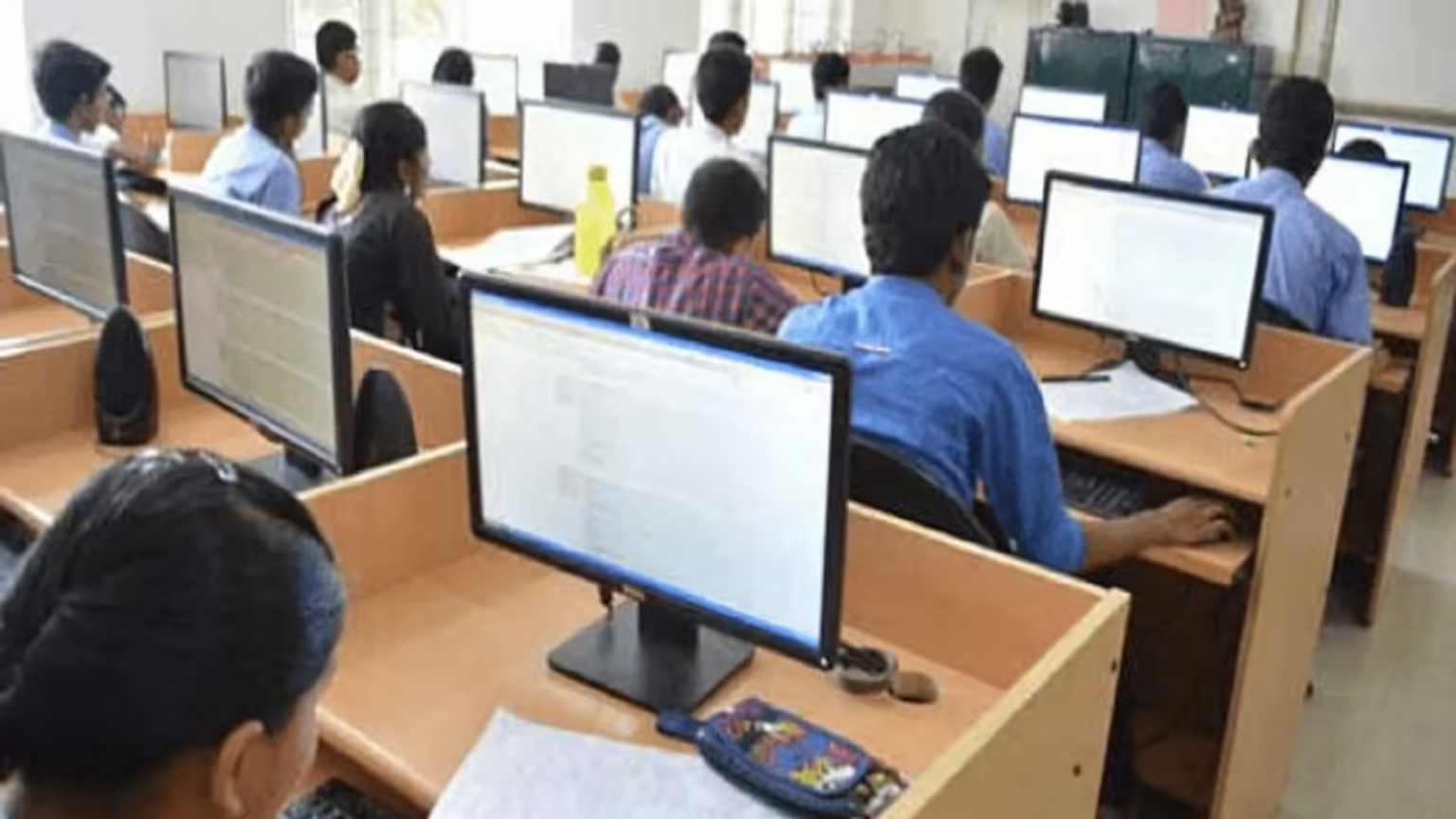

The National Eligibility-cum-Entrance Test Undergraduate, commonly known as NEET UG, is set for a major change from 2027, with the medical entrance examination moving towards a computer-based testing format. The change has been under discussion for several months and is now being followed by preparations around examination infrastructure, security and the capacity required to conduct the test for a very large number of medical aspirants. The Ministry of Education and the National Testing Agency are reviewing examination arrangements as part of the preparations for NEET UG 2027. Recent discussions have focused on computer-based testing infrastructure and strengthening examination security.
NEET UG is one of India’s largest entrance examinations. Every year, millions of students appear for the test to compete for undergraduate medical seats across the country. The shift from paper-based examination to computer-based testing represents a major operational change. Unlike a conventional examination conducted using question papers and OMR sheets, a CBT exam requires secure computer centres, reliable networks, trained staff and strong digital safeguards. The move has also been discussed in the context of examination security. The Centre had previously examined reforms in public examinations following concerns surrounding examination integrity. A committee headed by former ISRO chairman K Radhakrishnan had recommended greater use of computer-based testing for large national examinations.
One of the major challenges will be capacity. NEET UG attracts a much larger number of candidates than many other computer-based examinations conducted by the National Testing Agency. The existing CBT infrastructure will therefore need to be expanded significantly. Reports on the NEET UG 2027 preparation have indicated plans involving a much larger network of examination centres and multiple examination days. Conducting the exam across multiple shifts would also require careful planning. Students appearing in different sessions could receive different question papers, which means the examination authority would have to maintain comparable difficulty levels and appropriate procedures for evaluating scores.
This is one reason why normalisation becomes an important part of a multi-shift examination system.
For students preparing for NEET 2027, the change will mean adapting not only to the syllabus and preparation strategy but also to the examination environment. Students who have traditionally practised using printed question papers may need more computer-based practice before the examination. However, the exact operational details remain important. The number of centres, schedule, shift structure and other arrangements will determine how the new NEET exam system works in practice. Another challenge is accessibility. India has students from urban, semi-urban and rural areas, and access to suitable computer infrastructure is not uniform everywhere. Ensuring that students from different regions can take the examination under comparable conditions will therefore be a significant part of the transition.
Cybersecurity is another important consideration. A computer-based examination reduces certain risks associated with physical paper handling, but it creates the need for strong digital security. Examination systems need protection against unauthorised access, technical failures and cyberattacks. The government has already indicated that examination security and NTA reforms are part of the broader preparation for future competitive examinations. For NEET aspirants, the most important change is clear: the traditional pen-and-paper format is being replaced by a computer-based examination system from 2027. Students preparing for NEET 2027 should therefore gradually become comfortable with answering questions on a computer screen. Regular mock tests, timed practice and familiarity with computer-based interfaces could become more important in preparation.
At the same time, students should continue to focus on the core requirements of NEET preparation, including strong conceptual understanding, revision and practice. The transition is significant because NEET UG is one of the largest medical entrance examinations in the world. Its move to computer-based testing will require coordination between the Education Ministry, NTA, examination centres and technology providers. As preparations continue, students and parents are likely to closely follow announcements regarding the NEET UG 2027 exam pattern, dates, centres and registration process.