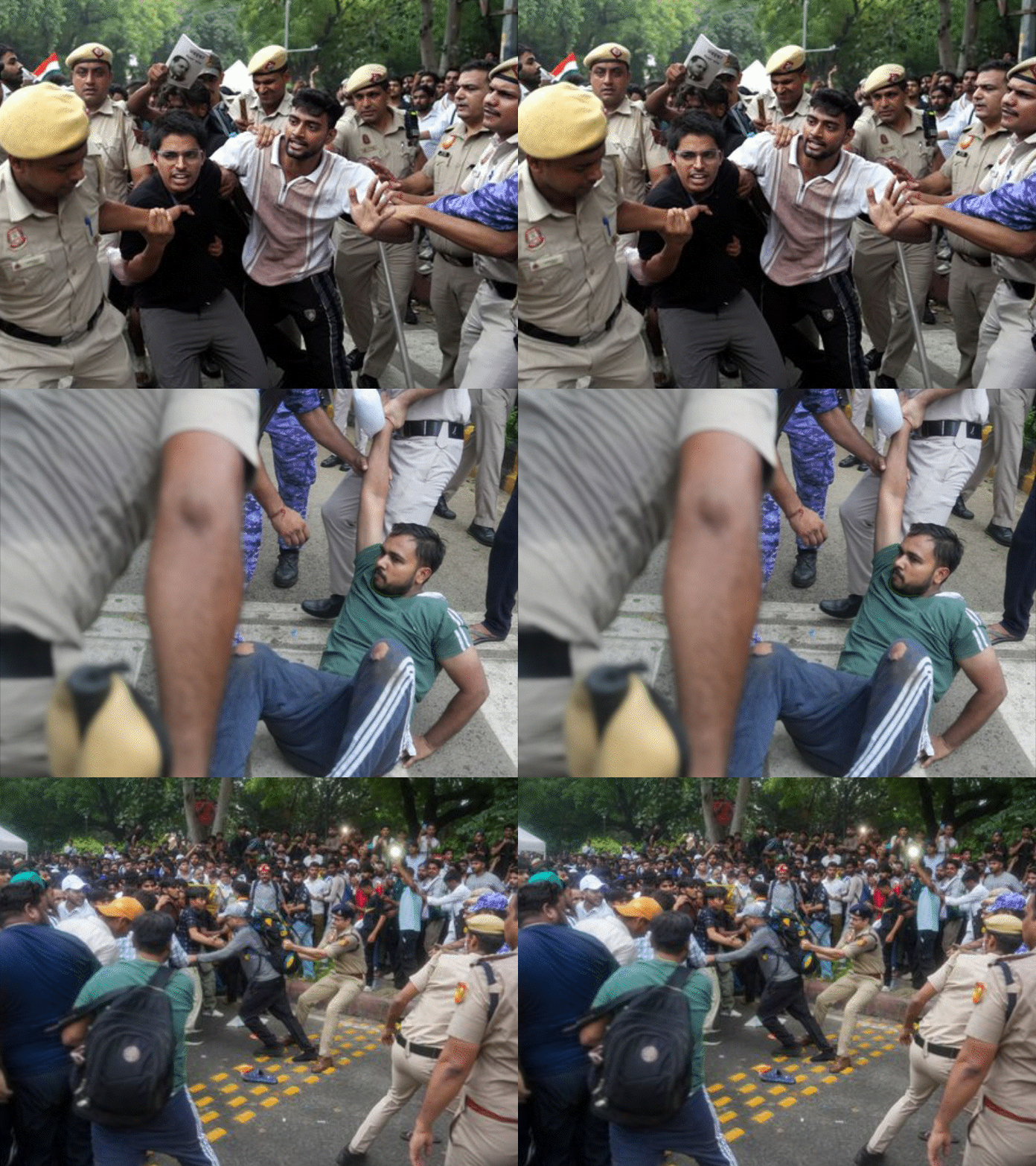

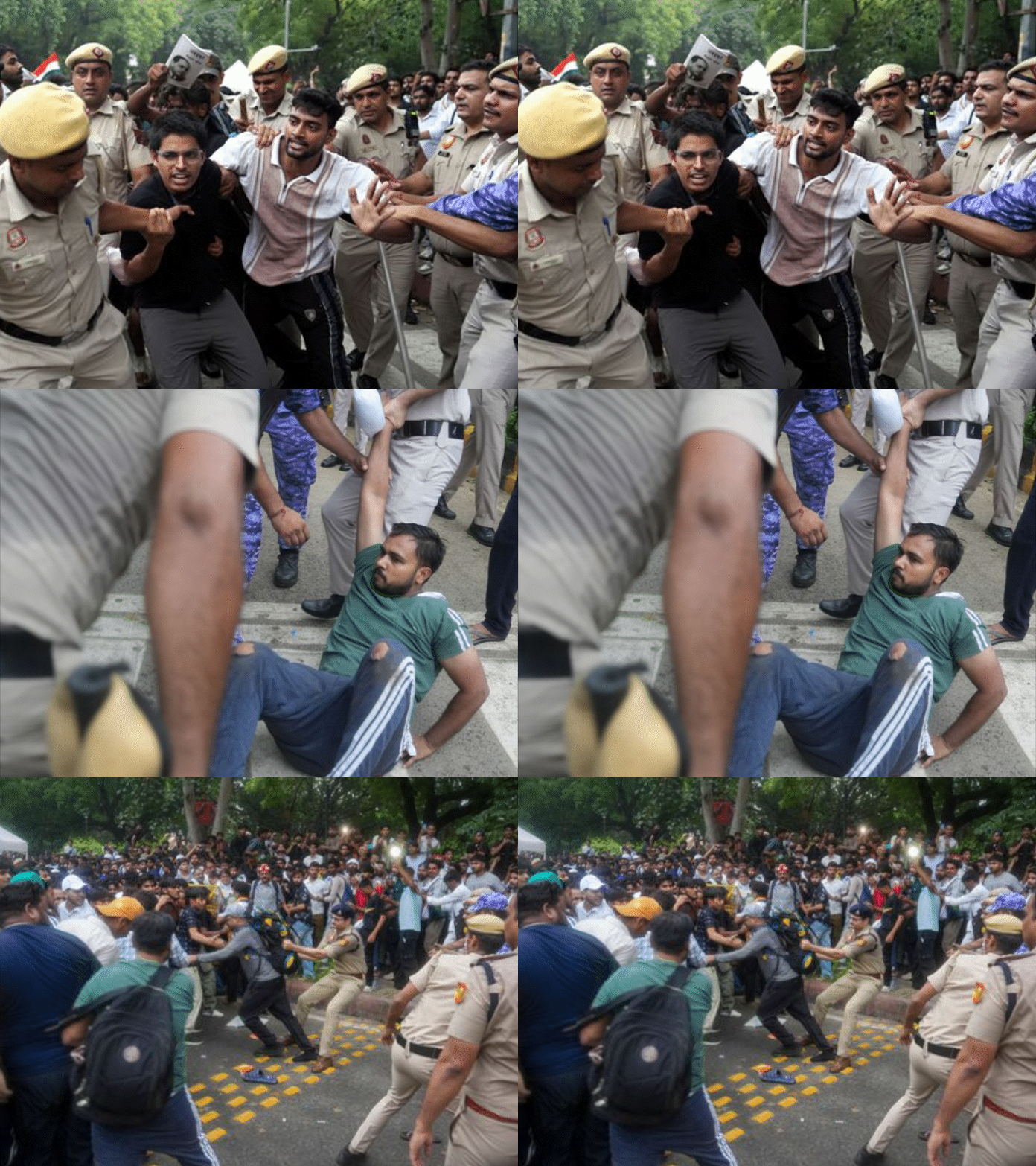
The Supreme Court will hear two separate petitions on Monday alleging excessive police action against students who protested over the NEET paper leak and the resignation of the Union Education Minister.
The petitions relate to the 20 July Parliament march organised by the Cockroach Janata Party (CJP).
According to the Supreme Court’s cause list for 27 July, the matter will be heard by a Bench comprising Chief Justice of India (CJI) Surya Kant, Justice Joymalya Bagchi and Justice V Mohan. The Bench had agreed to hear the petitions on 24 July.
During the earlier hearing, senior advocate Gopal Shankaranarayanan told the court, “The police are using excessive force against the students.”
The Supreme Court is now set to examine the petitions and consider the appropriate course of action.
2 pictures of the July 20 Parliament March
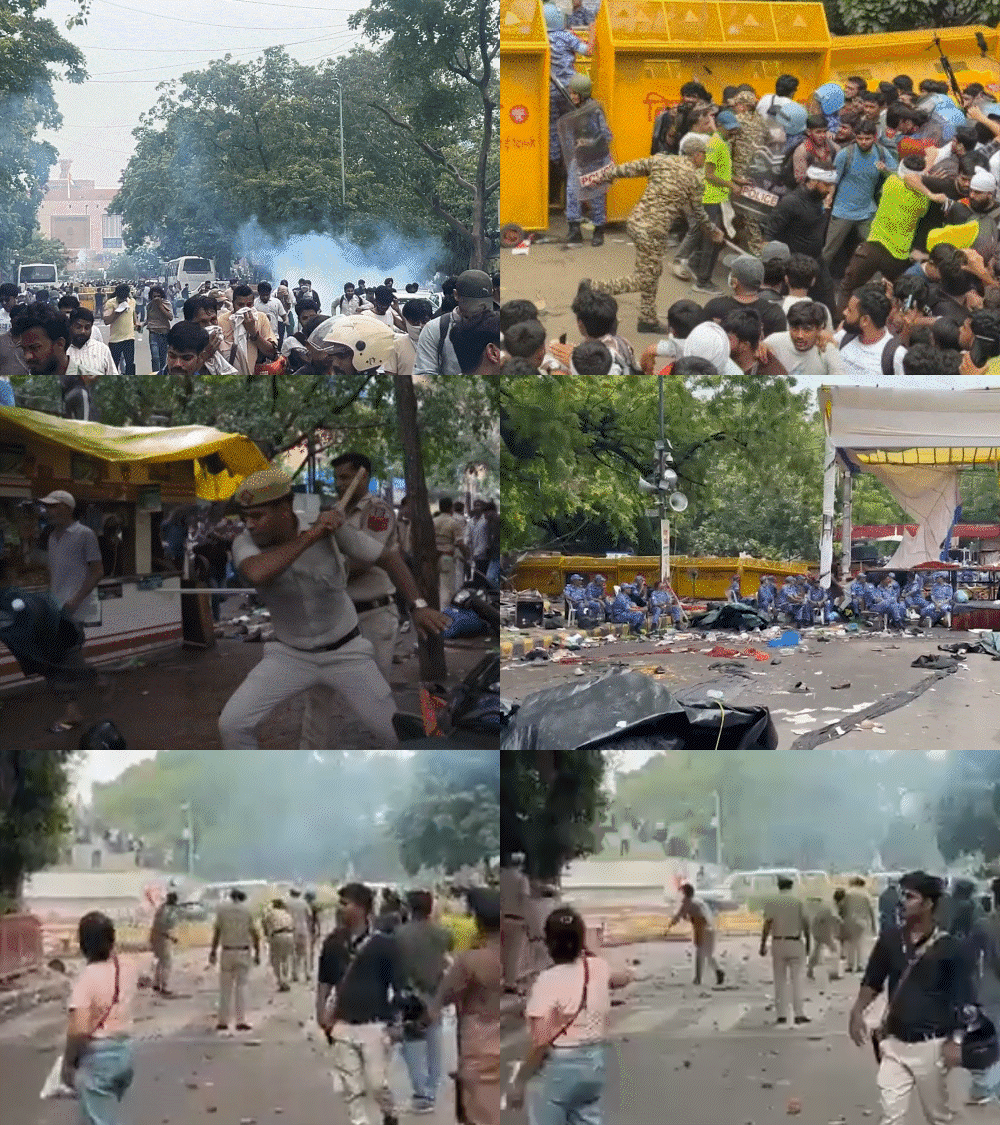
Police-Rapid Action Force baton-charged, fired tear gas shells, and stone-pelting also occurred.
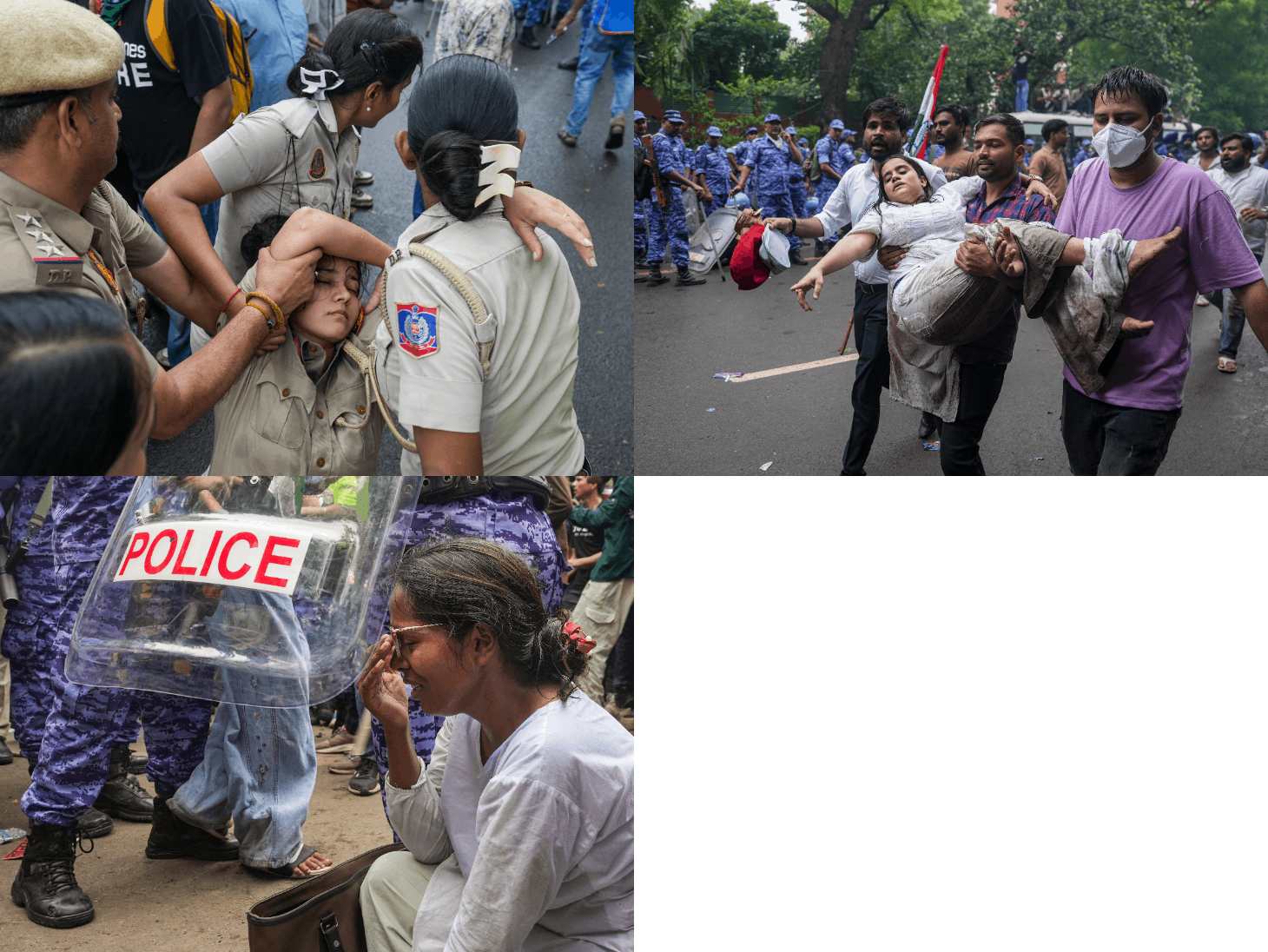
During this, police and protesters were injured. More than 100 people sustained injuries.
Lathi-charge during Parliament March, over 100 injured
On 20 July, the Cockroach Janata Party (CJP) organised a march from Jantar Mantar to Parliament. During the protest, which lasted from 8 am to 5 pm, clashes broke out several times between protesters and police.
Some protesters breached police barricades and marched towards Parliament. The procession travelled from Jantar Mantar via Sansad Marg, Janpath Crossing, the National War Memorial, Kartavya Path and Vijay Chowk before reaching the Parliament area.
As some protesters attempted to enter the Parliament complex, police fired tear gas shells to disperse the crowd. By late evening, videos and images of stone-pelting had also emerged. More than 100 people were reported injured during the clashes.
Police cleared the protest site at Jantar Mantar by 5 pm. However, at around 11 pm, CJP supporters returned to the site and resumed the protest.
CJP’s 36-day protest ends with Pradhan’s resignation
Public anger over the alleged NEET paper leak grew into a nationwide movement following the examination on 3 May. On 16 May, the Cockroach Janata Party (CJP) was formed as a digital group, and from 20 June, protesters began a sit-in at Jantar Mantar.
The 36-day protest came to an end on 25 July after Union Education Minister Dharmendra Pradhan resigned from office.
Announcing his resignation, Pradhan said the events of the past 10 days had deeply saddened him and that the issue was “not a matter of personal prestige”.
Meanwhile, activist Sonam Wangchuk, who had joined the students’ protest, ended his 26-day hunger strike after receiving assurances from the government. He is scheduled to be discharged from Medanta Hospital on Monday.
2 Petitions also filed in Delhi HC against police action
- Earlier, on July 22, the Delhi High Court had sought a response from the Centre and Delhi Police on two separate petitions alleging excessive use of force against protesters during the march to Parliament on July 20.
- The High Court had directed the authorities to preserve all necessary records related to the police action, including CCTV camera footage and any videography.