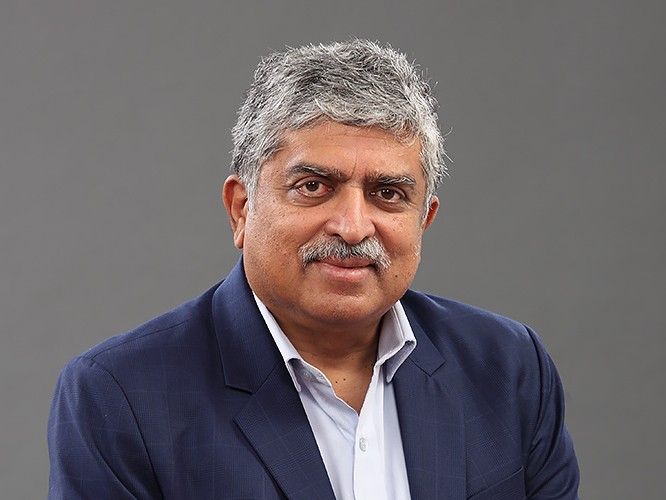

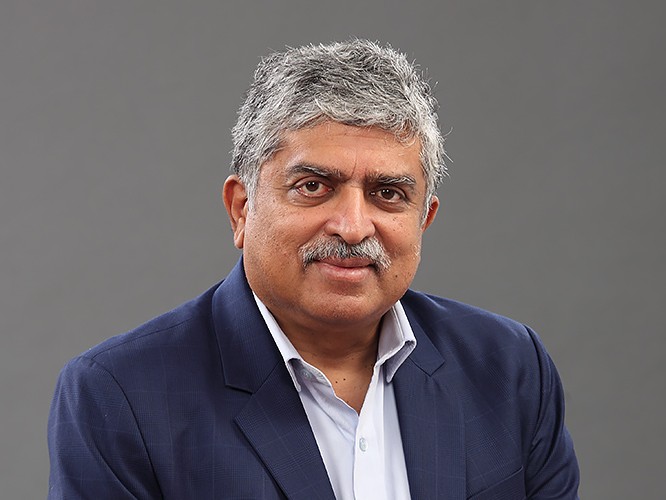
Prime Minister Narendra Modi has appointed Infosys co-founder Nandan Nilekani to chair a ‘high-powered’ task force on examination reforms, placing one of India’s best-known technology executives at the centre of efforts to strengthen the country’s examination system.
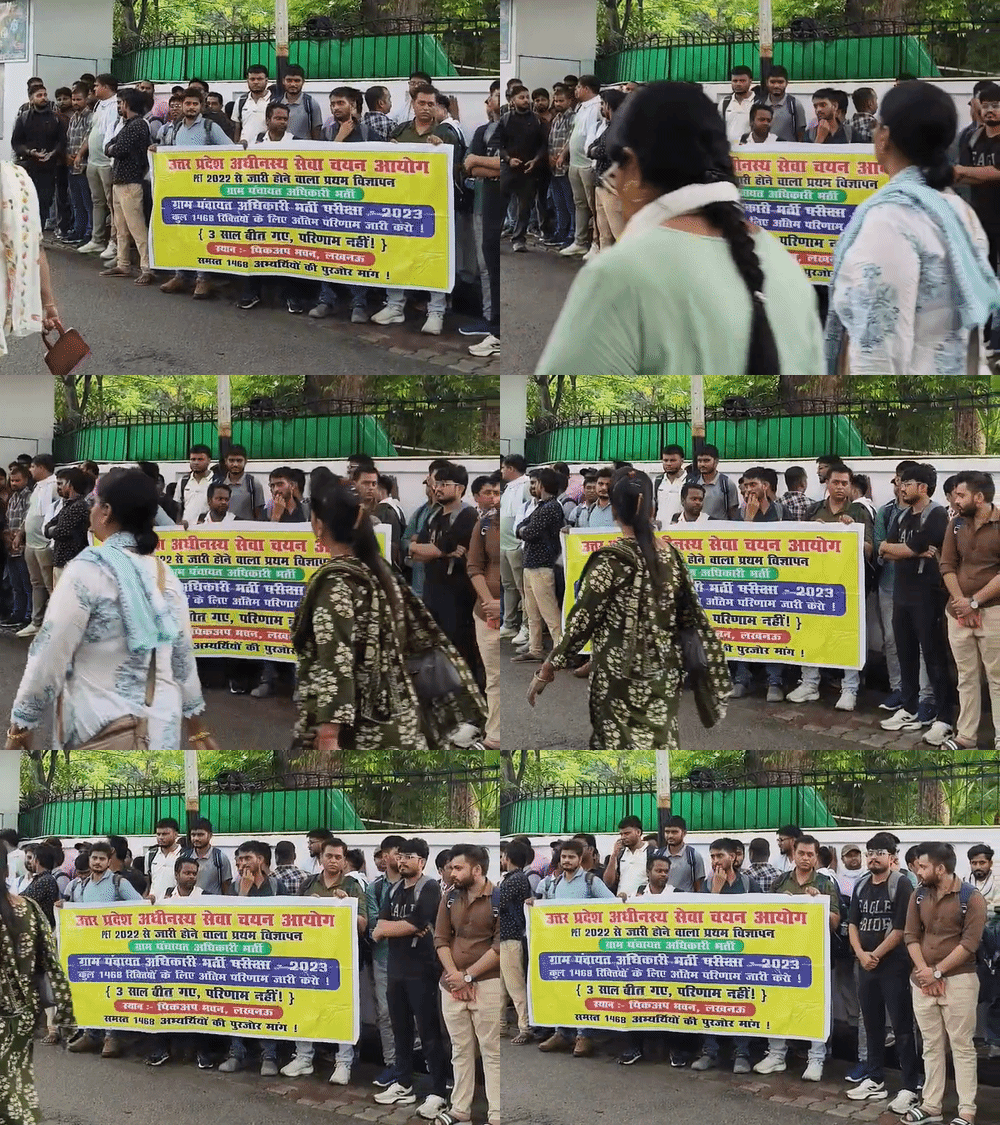
The panel has been formed in the wake of concerns over the conduct of competitive examinations and has been tasked with recommending measures to improve transparency, security and the use of technology in public exams.
From Infosys to public policy
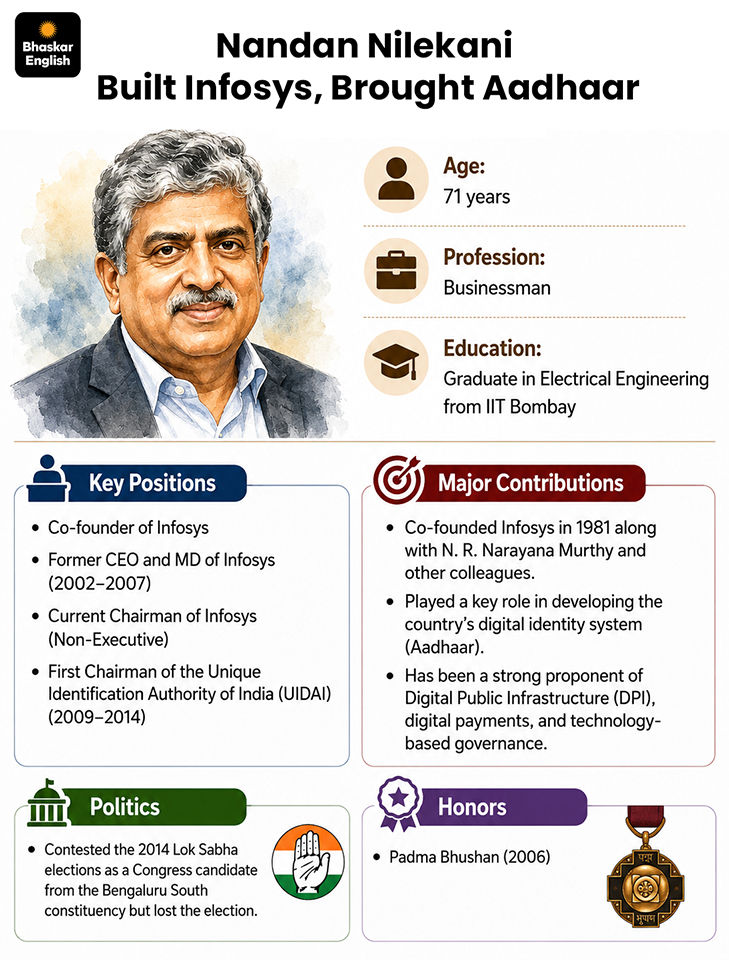
Born in Bengaluru in 1955, Nilekani graduated in electrical engineering from the Indian Institute of Technology (IIT) Bombay. In 1981, he co-founded Infosys along with NR Narayana Murthy and six others. He later served as the company’s chief executive before becoming its chairman.
In 2009, Nilekani left Infosys to head the Unique Identification Authority of India (UIDAI), where he led the implementation of the Aadhaar project. The biometric identity programme has since become a key component of India’s digital governance framework.
Experience in digital infrastructure
Over the past decade, Nilekani has remained involved in technology and public policy initiatives, focusing on digital infrastructure, data governance and innovation. He has also written on issues related to technology and economic development and has served on several government and industry committees.
He was awarded the Padma Bhushan, India’s third-highest civilian honour, in 2006 for his contribution to trade and industry.
Role in the exam reforms panel
As chair of the newly constituted task force, Nilekani will oversee recommendations on improving the conduct of examinations through technological and administrative reforms. The panel is expected to examine ways to prevent paper leaks, enhance cybersecurity, strengthen digital systems and improve the overall integrity of competitive examinations.
The government has said the committee’s recommendations will form the basis of long-term reforms aimed at making India’s examination process more secure, transparent and efficient.