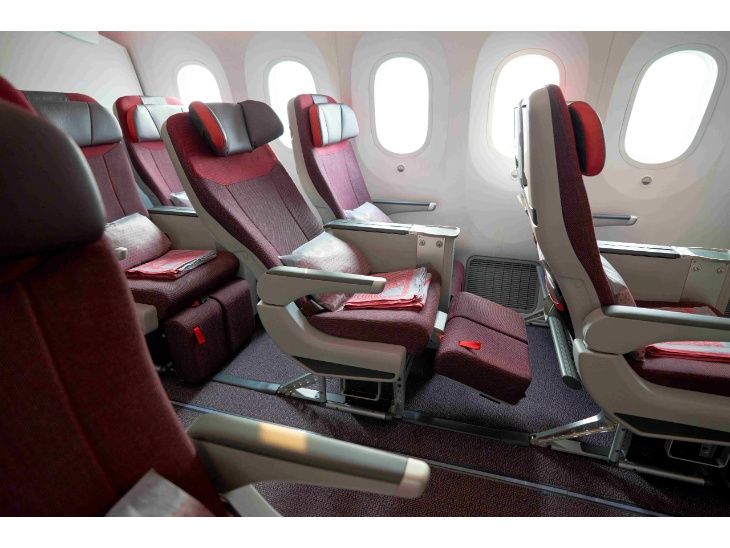

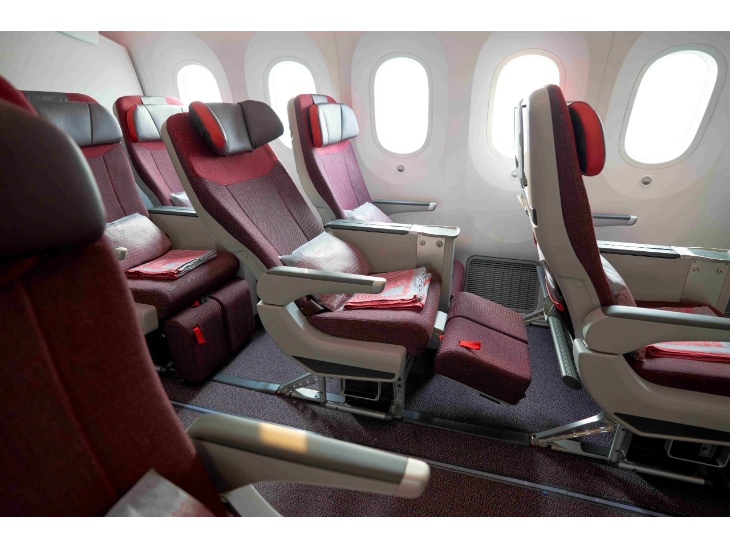
According to several aviation industry reports and analyses of airline seat maps, the distance between economy class seats (seat pitch) was 34–35 inches in the 1980s and 1990s.
Today, most airlines offer a seat pitch of 30–31 inches, while low-cost airlines in India have reduced it further to 28–29 inches. Over the past four to five decades, airlines around the world have steadily reduced seat space, even as the average passenger body size has increased.
This means average legroom has fallen by 4–7 inches. At the same time, seat width has been reduced from around 18–19 inches to 16.5 inches. According to the journal Applied Ergonomics and SAE International, the average sitting width of people has increased by around 8–13% over the last four decades.
Airlines charge extra for more legroom
Airlines around the world charge extra for seats with additional legroom. The price depends on demand and the route.
In India, passengers usually pay an extra ₹500 to ₹2,000 for preferred seats, such as XL seats, on domestic flights. Many international airlines charge an additional ₹3,000 to ₹10,000, depending on the route and demand.
More passengers, more profit
One of the main reasons airlines have reduced seat space is to fit more passengers into the aircraft as air travel and competition have increased.
The number of air passengers in India more than tripled (over 200% growth) in 2025–26 compared with 2015–16.
Aircraft manufacturers and airlines believe that using lighter and more compact seats can generate crores of rupees in additional annual revenue.
Plan to introduce standing-style travel
Italian company Aviointeriors has developed a standing-style seat called Skyrider 2.0.
Instead of sitting fully, passengers lean against a seat-like support during the flight. The company claims this design could allow airlines to carry 20% more passengers on an aircraft.