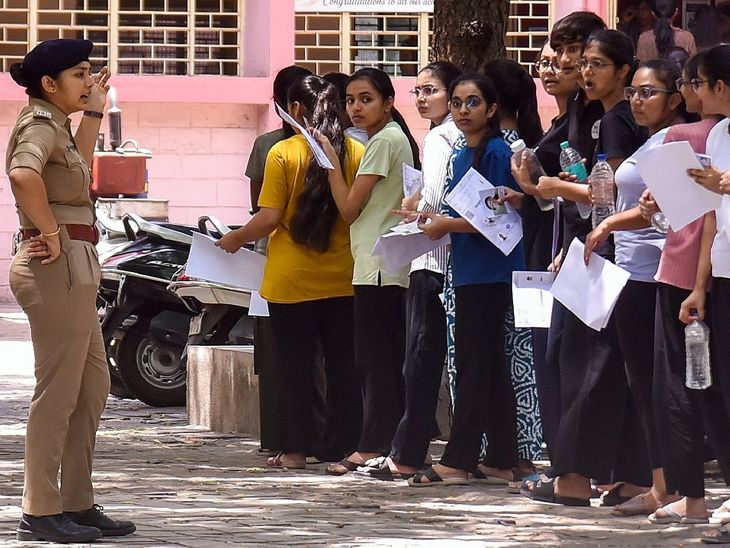

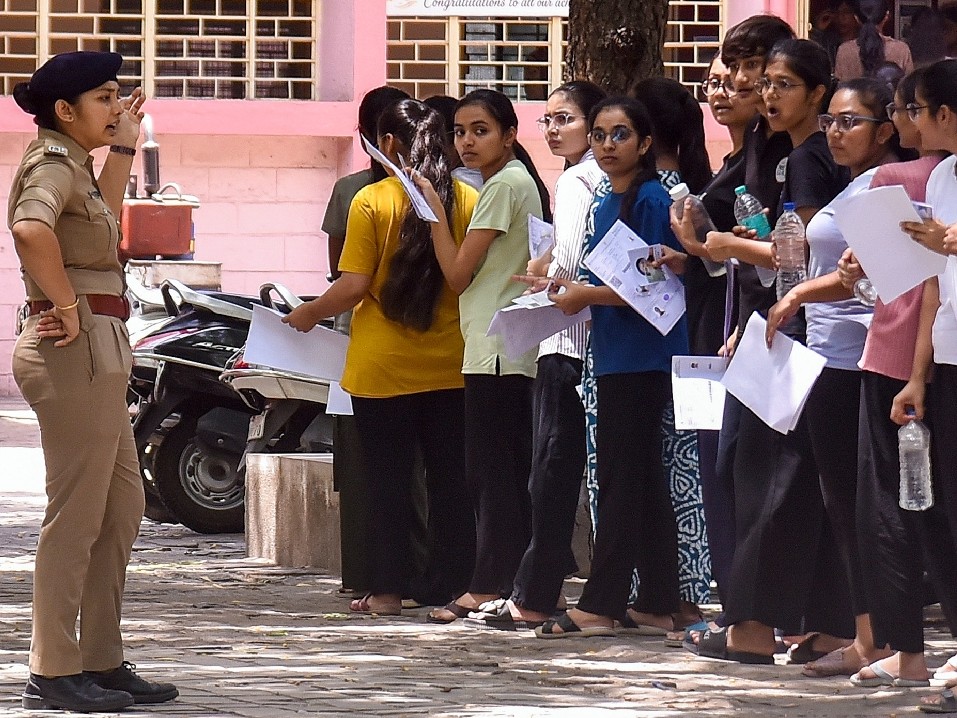
The National Testing Agency (NTA) released the NEET UG 2026 result late night on July 16.
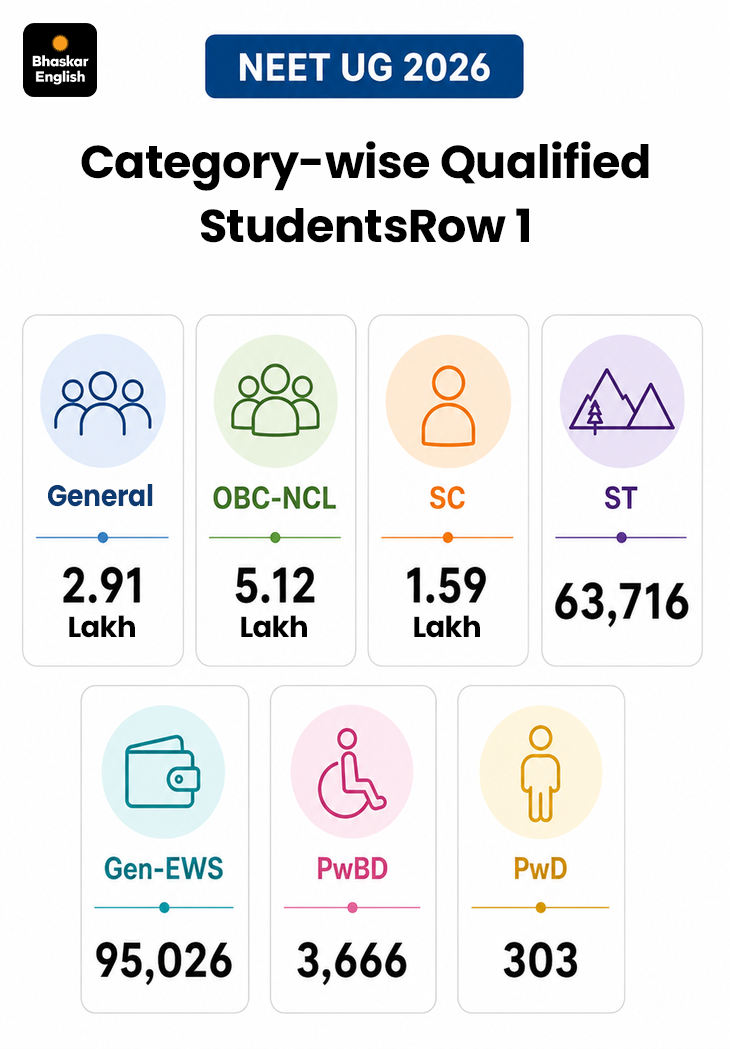
NEET 2026 results have shown a significant shift in the socio-educational trend of medical education. This year, OBC was the largest category among those who appeared for the exam.
The share of OBC aspirants in registrations was 41.8%, while the same share of those who qualified for the NEET 2026 increased to 45.7% which shows that almost every second successful student is from the OBC category.
Meanwhile, the General category’s share in registrations was 29.2%, which decreased to 26% among successful students. SC’s share in registrations was 15.2%, and among successful students, it was 14.2%.
EWS registrations were 7.3%, but among those who qualified, it increased to 8.5%. ST’s share in registrations was 6.6%, and among successful students, it was 5.7%.
The National Testing Agency (NTA) released the NEET UG 2026 results late on the night of July 16.
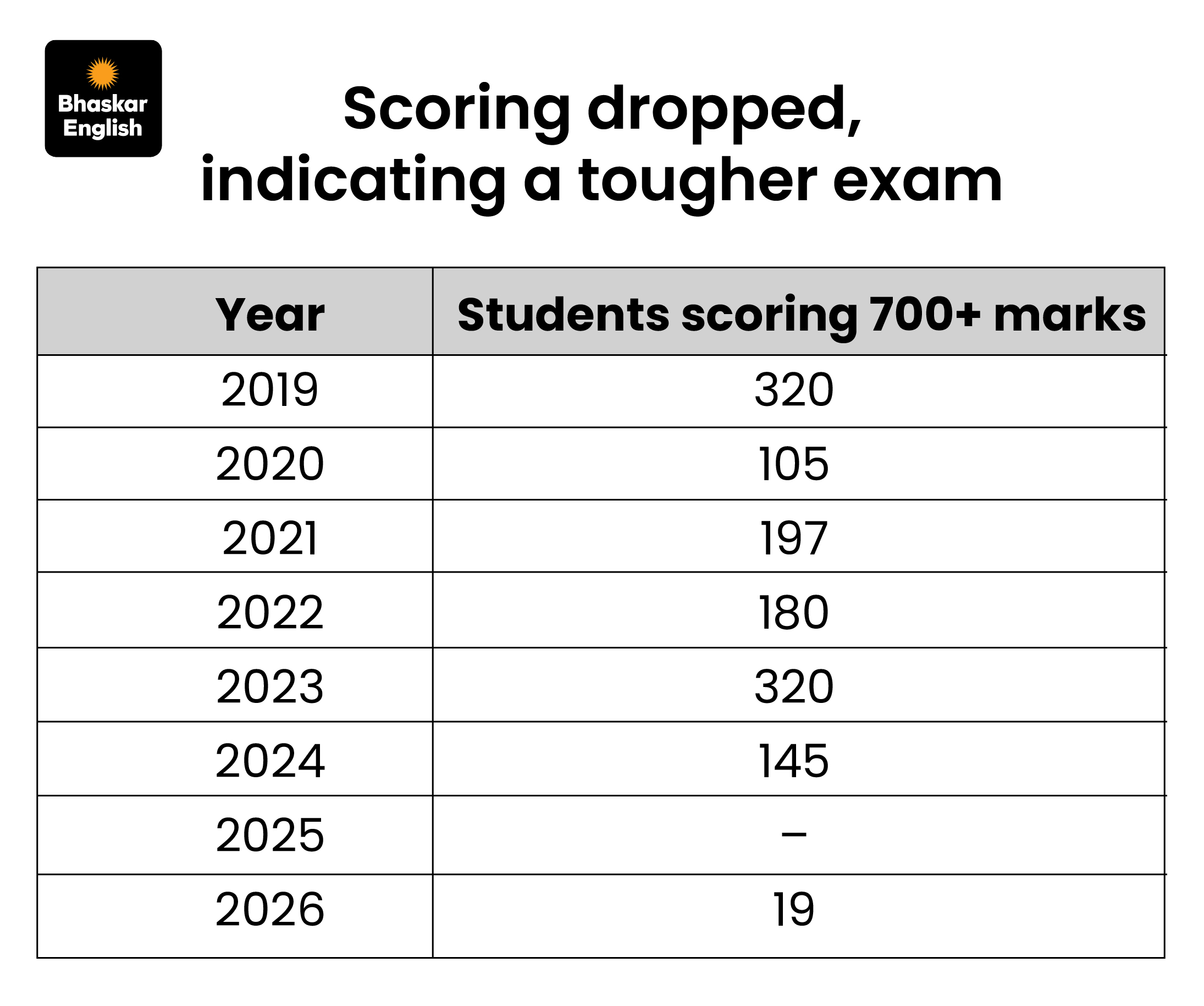
This year, about 20 lakh students appeared for the exam, out of which 11.21 lakh students qualified for admission to Medical, Dental, AYUSH, and other medical courses. For the first time since 2020 and 2021, no student was able to achieve a perfect score of 720.
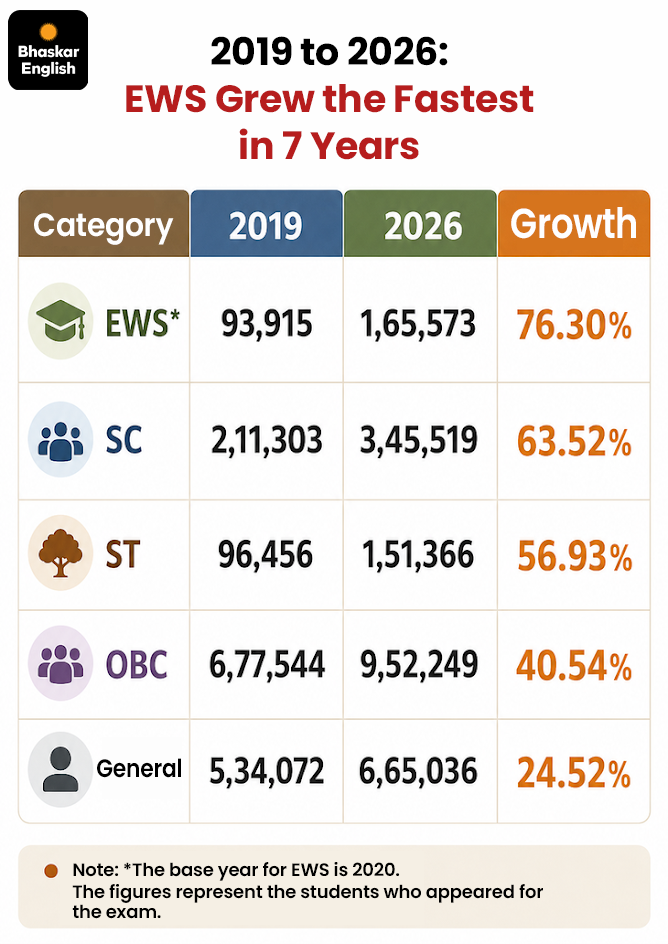
EWS grew fastest in 7 years, SC in second place
Between 2019 and 2026, the number of candidates from all categories has increased. The fastest increase was recorded in the EWS category at 76.30%. Subsequently, candidates from the SC category increased by 63.52%, ST by 56.93%, OBC by 40.54%, and the General category by 24.52%. According to experts, after the implementation of EWS reservation, the participation of this category has seen the highest increase.
Smaller states perform better in NEET 2026
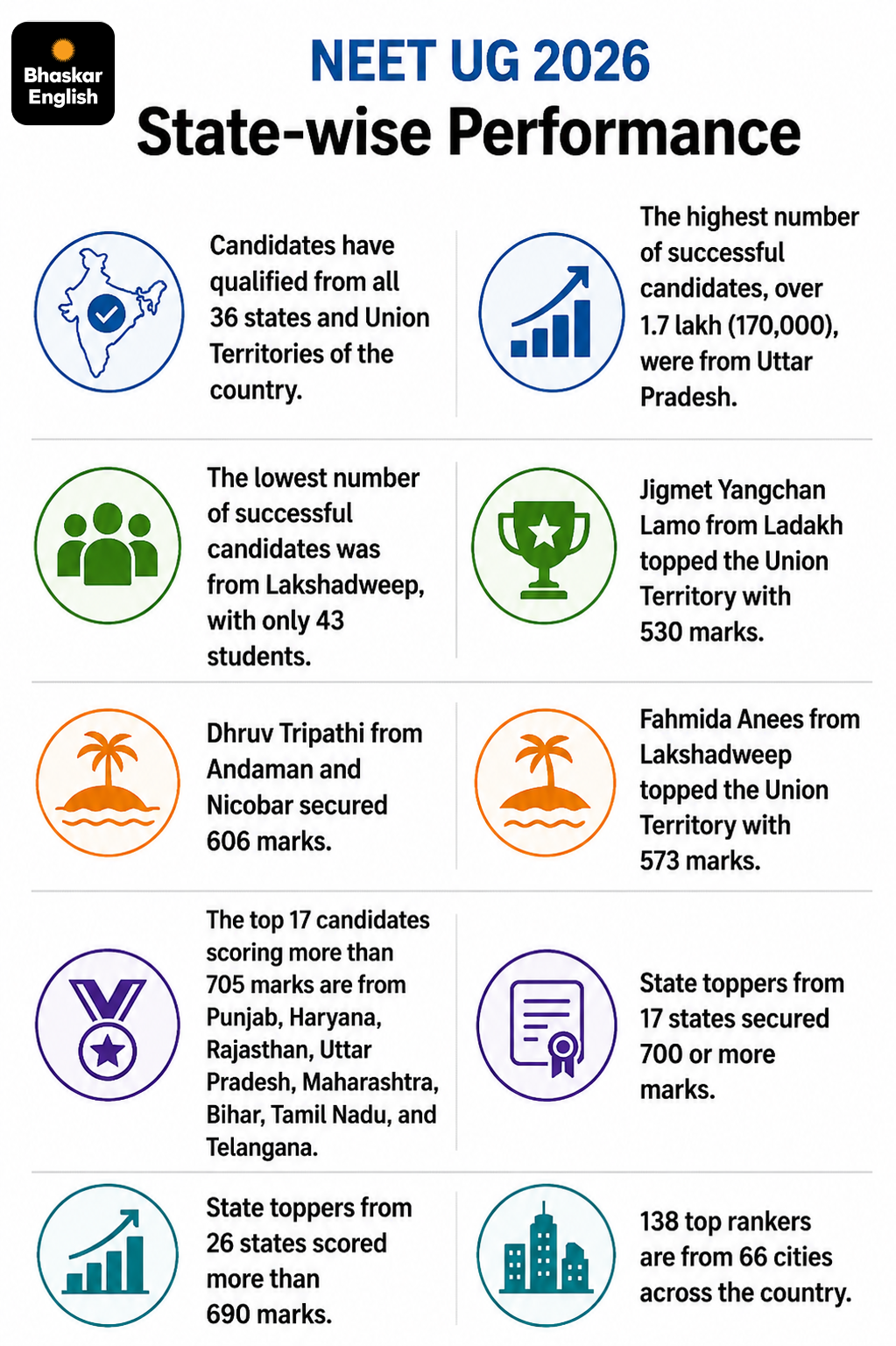
In terms of qualifying percentage, smaller states and union territories performed better. In Chandigarh, 70.14% of 2,622 students were successful. This was followed by Mizoram (62.47%), Manipur (60.93%), Nagaland (59.17%), and Himachal Pradesh (57.30%).
Among larger states, Uttar Pradesh had the highest number of students, with 3.28 lakh appearing for the exam, of whom 51.93% were successful. In Maharashtra, 53.36%, and in Bihar, 49.24% of students qualified. Rajasthan was an exception among larger states, where 69.34% of 1.92 lakh candidates were successful.
109 Boys, 29 Girls in Top-138
The top-138 of the All India Rank include 109 boys and 29 girls. Among them, Rajasthan has the highest with 19, Maharashtra with 18, Tamil Nadu with 12, Delhi with 11, Punjab with 10, Uttar Pradesh and Gujarat with 9 each, while Haryana, Telangana, and Andhra Pradesh have 8 students each.
NEET Exam Was Reconducted Due to Paper Leak
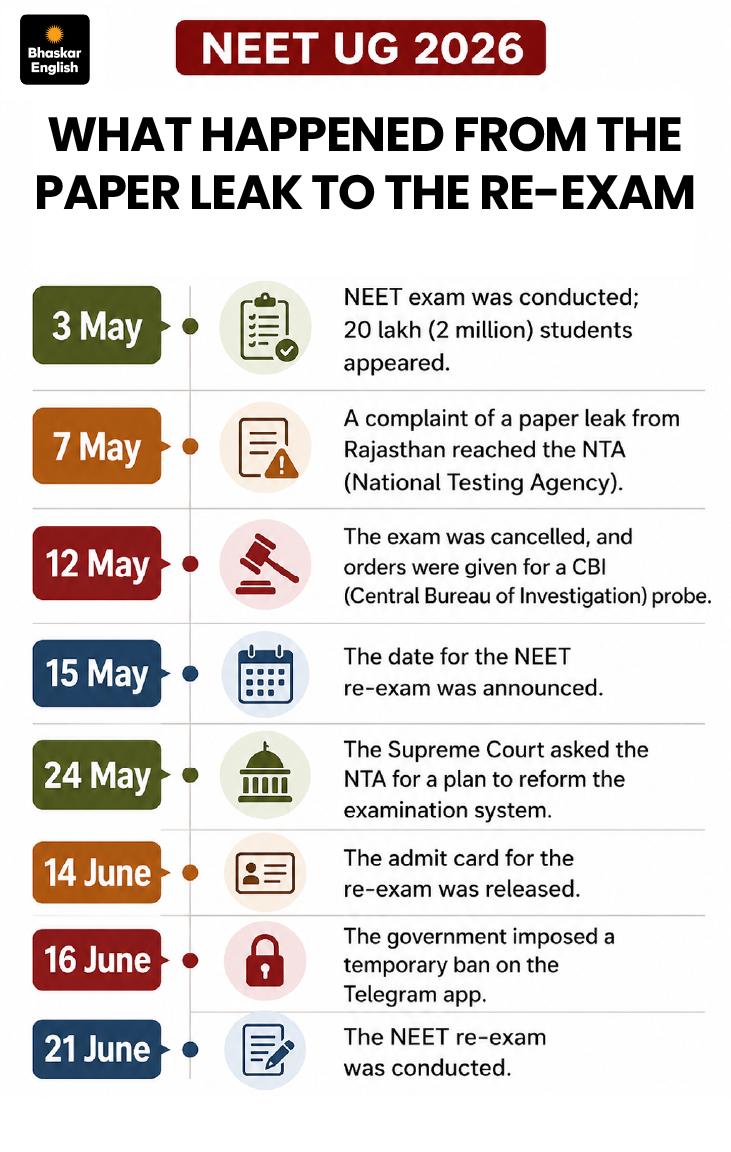
Due to allegations of a paper leak, the NEET-UG 2026 exam held on May 3 was cancelled. Subsequently, NTA reconducted the exam on June 21. The exam was held in 13 languages at 5,440 examination centers in 551 cities across the country and abroad.
NTA had also made a major change in the examination evaluation process this year. For the first time, all stages of evaluation were completed in a parallel manner instead of one after another. This allowed the results to be released on time. Also, for the first time, the OMR sheet challenge process was kept separate from the answer-key release process.
NEET UG 2026: Complete Timeline from Exam to Result
- May 3, 2026: First NEET UG 2026 exam conducted
- May 12, 2026: After allegations of a paper leak, the May 3 exam was cancelled
- June 21, 2026: NEET UG re-exam held nationwide
- June 25, 2026: Provisional answer key released, objection window opened
- June 2528, 2026: Objections sought from candidates on the answer key
- July 1315, 2026: Scanned OMR sheets and recorded responses released
- July 16, 2026: Final answer key released, NEET UG 2026 result declared
NEET Exam to be Computer-Based from 2027
After the paper leak, the government has decided to make a major change in the NEET exam. From 2027, NEET-UG will be conducted as a Computer-Based Test (CBT), i.e., in online mode. Currently, the exam is held in offline (pen-and-paper) mode.
In the new system, students will solve questions on computers. However, there will be no changes to the syllabus, the number of questions, the subjects, or the marking scheme. Candidates will also be provided with mock tests and demo facilities in advance of the online exam, so they can prepare for the new system.