
New Delhi/Bhopal10 hours ago
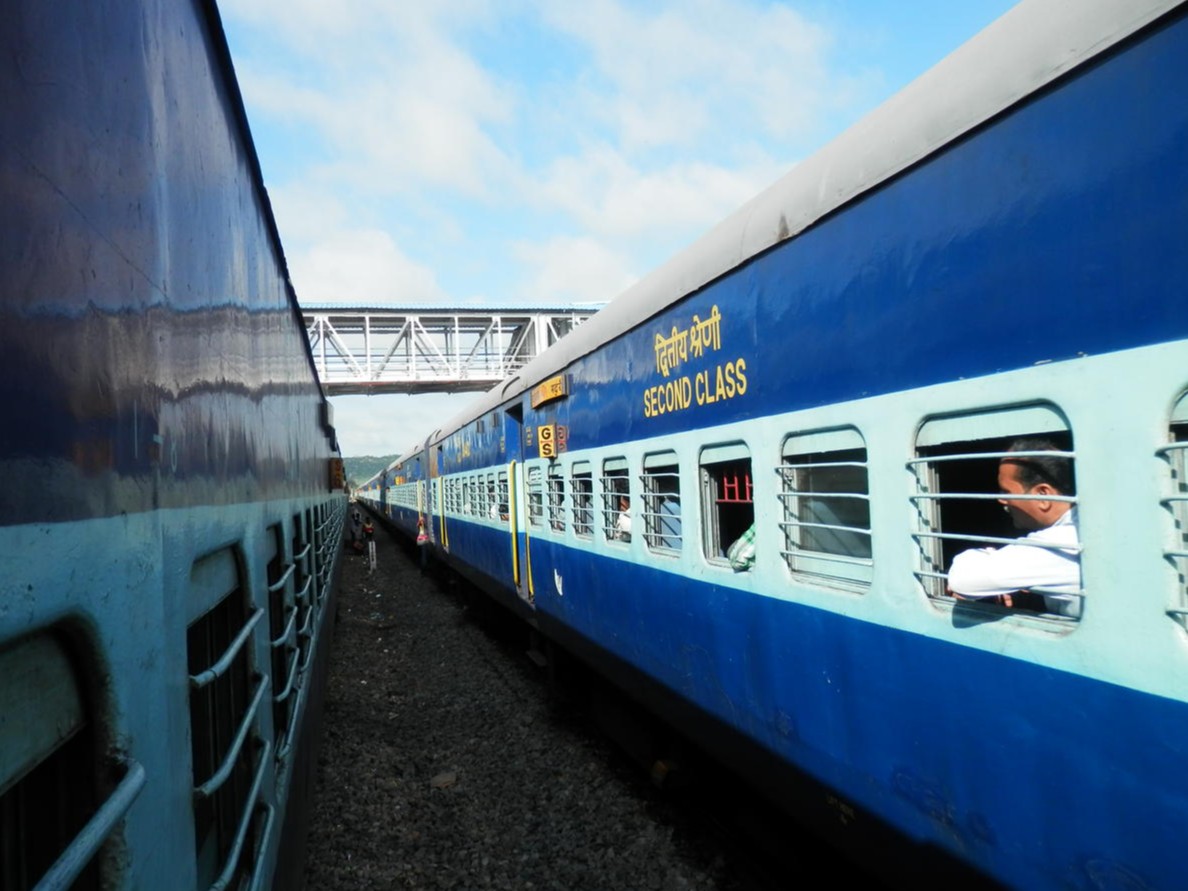
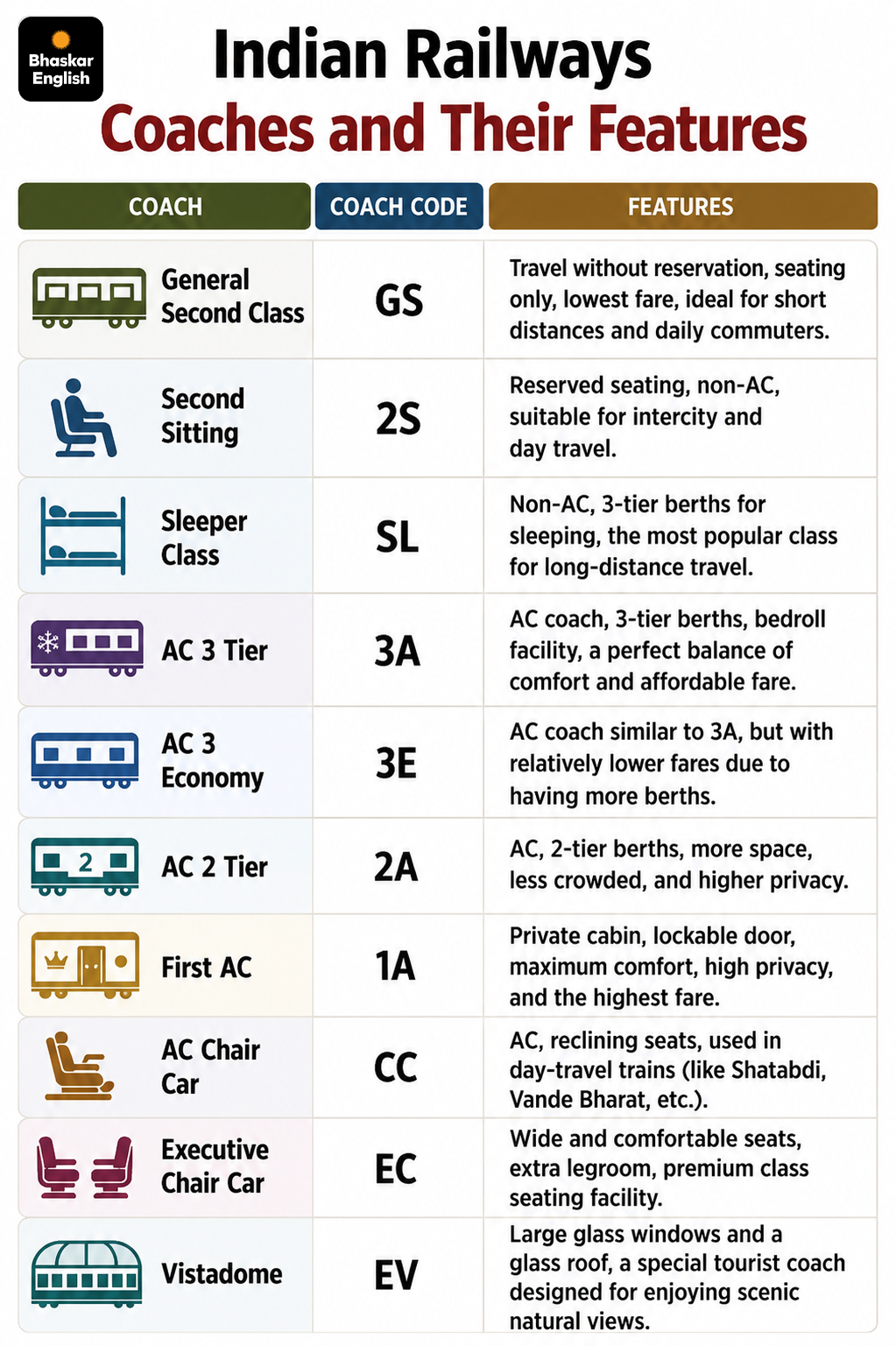
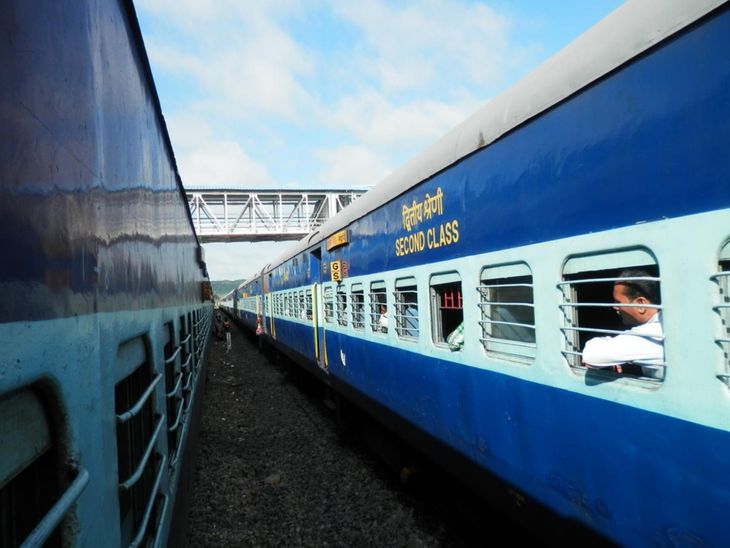
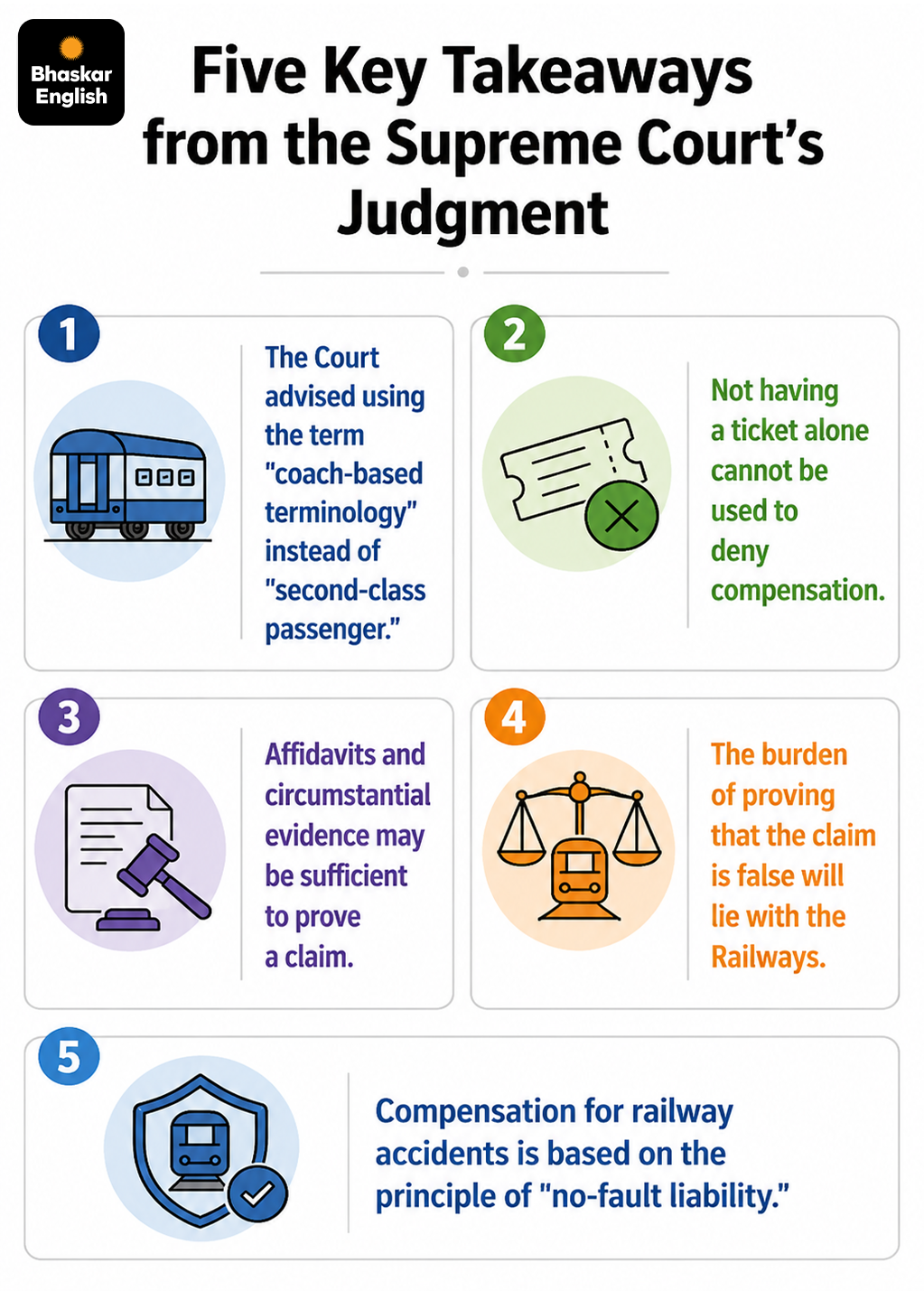
The Supreme Court ruled on Friday that a passenger’s status should not be determined by the amount they pay for a ticket. Taking exception to the term “second-class passenger” in the railway rules, the court said the expression “second class” should refer to the coach, not the person travelling in it.
Setting aside the rulings of the Madhya Pradesh High Court and the Railway Claims Tribunal, the court awarded ₹8 lakh in compensation to the family of a man who died in a train accident.
It held that the deceased’s family could not be denied compensation solely because he was not carrying a valid ticket.
A bench comprising Justice Sanjay Karol and Justice N. Kotiswar Singh directed the Central Government to release the compensation within four weeks.
The court also ordered that, if the payment is delayed, interest at 8% per annum must be paid from the date the compensation claim was filed.
Death occurred 10 years ago after falling from train
The case dates back to November 2015, when Chandrakant Thakkar, a resident of Madhya Pradesh, was travelling from Raipur to Ahmedabad. During the journey, he fell from the Ahmedabad–Howrah Mail and died. His bag, which was reportedly carrying his train ticket, went missing after the accident.
As the ticket could not be recovered, both the Railway Claims Tribunal and the Madhya Pradesh High Court ruled that Thakkar was not a bona fide passenger and denied compensation to his family.
The Supreme Court has now overturned both rulings, holding that the absence of a recovered ticket alone was not sufficient grounds to reject the claim. It directed that ₹8 lakh in compensation be paid to the deceased’s wife, Lata Thakkar.
Supreme Court said- Passengers also need to be vigilant: 3 big points
Entire responsibility for train accidents not solely Railways: The Supreme Court observed that responsibility for train accidents cannot rest solely with the Railways, stressing that passengers also have a duty to ensure their own safety.
The court cautioned against boarding moving trains, travelling while standing at open doorways and taking unnecessary risks, describing such behaviour as dangerous. While acknowledging that passengers may at times face practical constraints, it said individuals must remain vigilant and exercise due care to ensure safe travel.
Prevent Overcrowding, Increase Railway Staff: SC expressed concern over the increasing number of passengers falling from overcrowded trains, saying such incidents continue to occur despite existing safety measures. It observed that while the railways have framed rules for passenger safety and crowd management, their effective implementation remains essential.
The court also recommended increasing railway staffing levels to enhance passenger safety while creating additional employment opportunities. It said that greater manpower would improve ticket inspections, crowd management and the ability to provide timely assistance during emergencies.
Status of Valid Passenger Does Not End: The court said the Railway Accident Compensation Act is welfare legislation and should therefore be interpreted liberally rather than narrowly. It held that the mere absence of a recovered train ticket does not automatically strip a person of their status as a bona fide passenger.
The court ruled that claimants can establish a prima facie case through affidavits and other supporting evidence. Once such evidence is presented, the burden shifts to the railways to prove that the compensation claim is not valid.