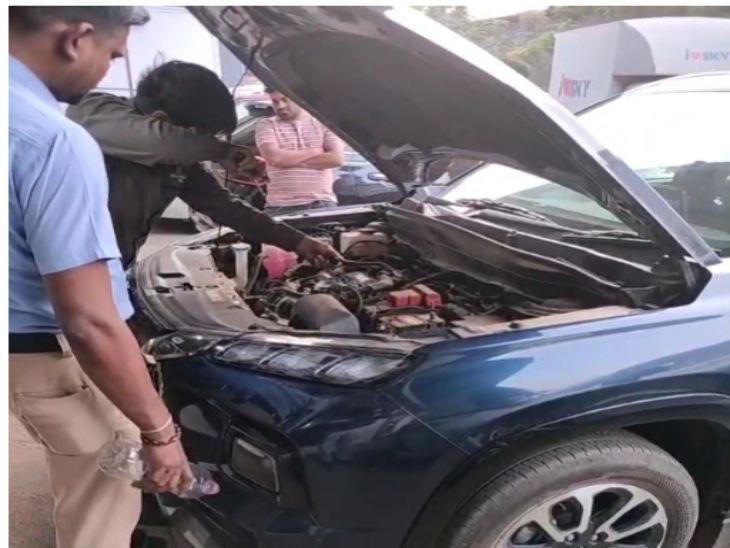

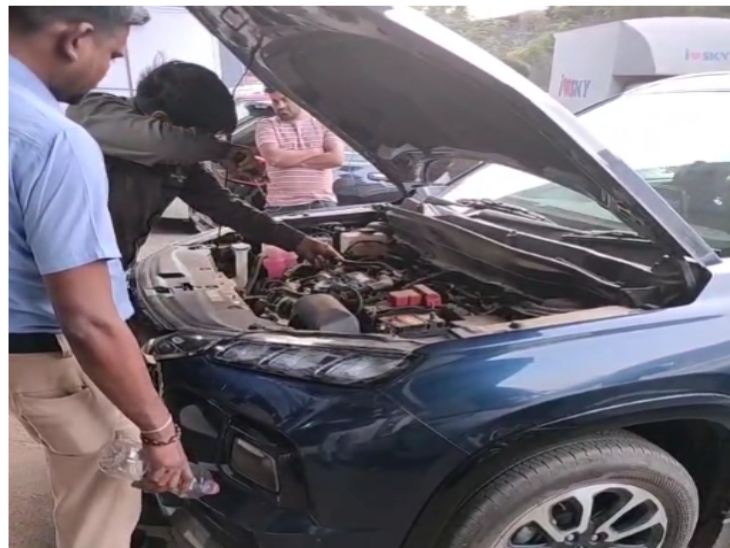
Amid the nationwide rollout of E20 petrol (fuel blended with 20% ethanol), a consumer court in Raipur has delivered what is believed to be India’s first major ruling on an E20-related vehicle dispute. The District Consumer Disputes Redressal Commission held Maruti Suzuki India Ltd. and its authorised dealer responsible after a customer’s car allegedly developed repeated engine problems linked to E20 fuel.
The Commission ruled that the vehicle’s engine was not compatible with E20 fuel, yet the car was sold to the customer. It directed the company to provide a new E20-compatible vehicle of the same model within 45 days or refund the full purchase price of ₹20.5 lakh, along with additional compensation.
What triggered the dispute?
According to the case records, kidney specialist Dr. Premraj Debta purchased a Maruti SUV on June 3, 2024.
About five months later, on November 11, the vehicle developed its first technical fault and began stalling repeatedly. The company’s workshop initially attributed the problem to contaminated fuel, cleaned the fuel tank, and returned the vehicle to the customer.
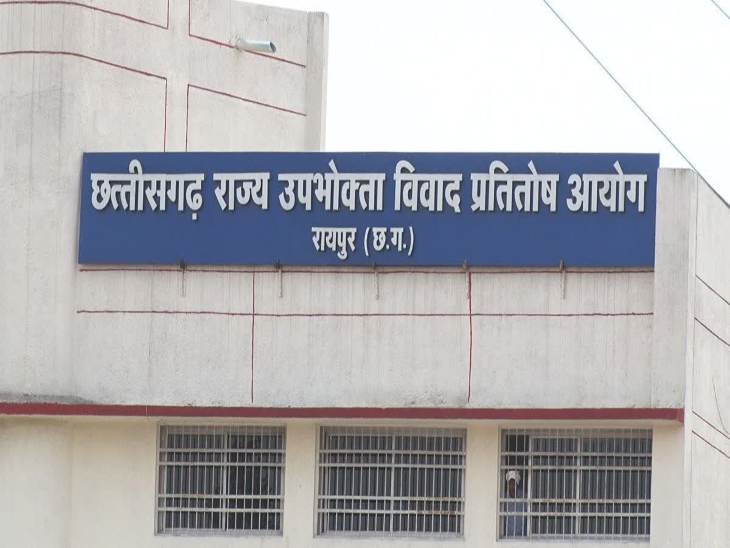
The Consumer Forum has issued an order in favor of the complainant.
Went to workshop five times
The problems continued despite repeated repairs.
- Second visit: Technicians found a white jelly-like substance inside the fuel tank. The company admitted the tank had not been cleaned properly during the first repair and that chemically contaminated fuel residue remained inside.
- Third visit: White deposits and residue were again found in the fuel tank, fuel lines, and fuel filter.
- Fourth visit: The dashboard displayed an engine malfunction warning, and the vehicle’s EV mode stopped functioning.
- Fifth visit: The engine completely failed, rendering the vehicle unfit for use.
Following repeated failures, the customer approached the Consumer Commission.
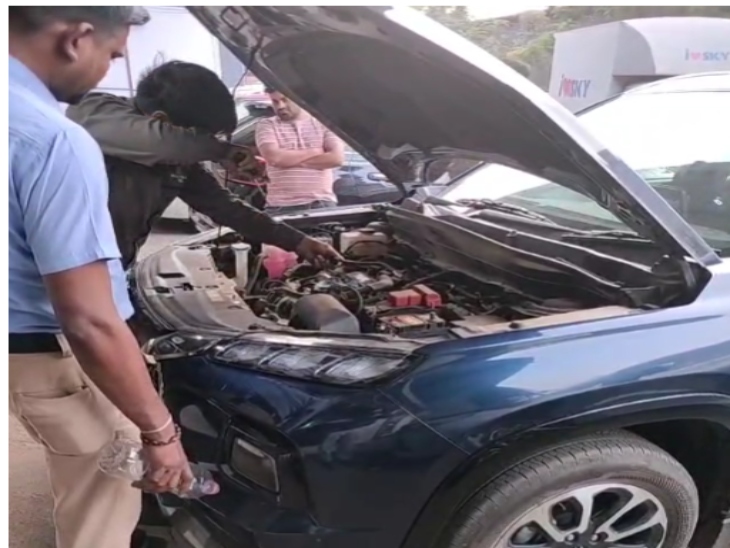
The affected customer had their car repaired five times at the workshop.
Government lab report became key evidence
During the proceedings, fuel samples were tested at an independent government-recognised SGS laboratory.
The report confirmed the presence of ethanol in the fuel. Investigators found that ethanol had separated from the petrol and settled as a white layer at the bottom of the fuel sample.
According to the laboratory report, the fuel belonged to the E20 category, but because the ethanol had separated, its effective concentration had dropped to around 6–7%.
The Commission concluded that the vehicle’s engine was not designed to operate with E20 fuel, yet it had been sold to the customer. It held this amounted to deficiency in service and unfair trade practice.
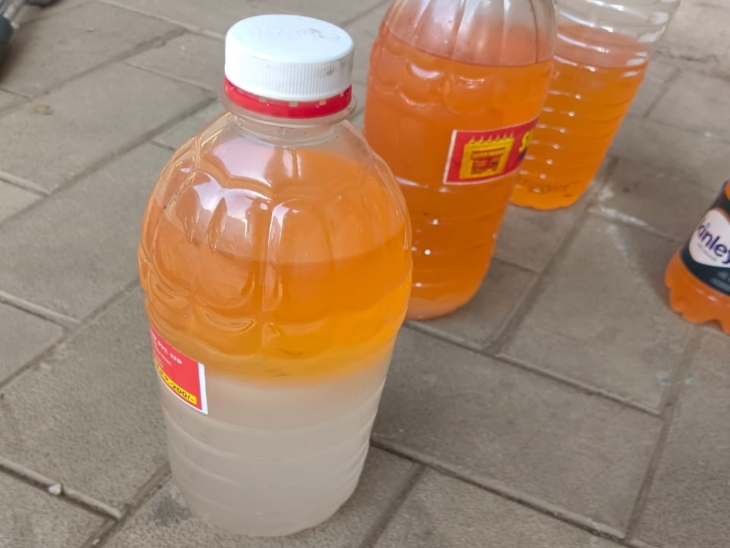
The government lab report became the biggest evidence and the decision came in favor of the complainant.
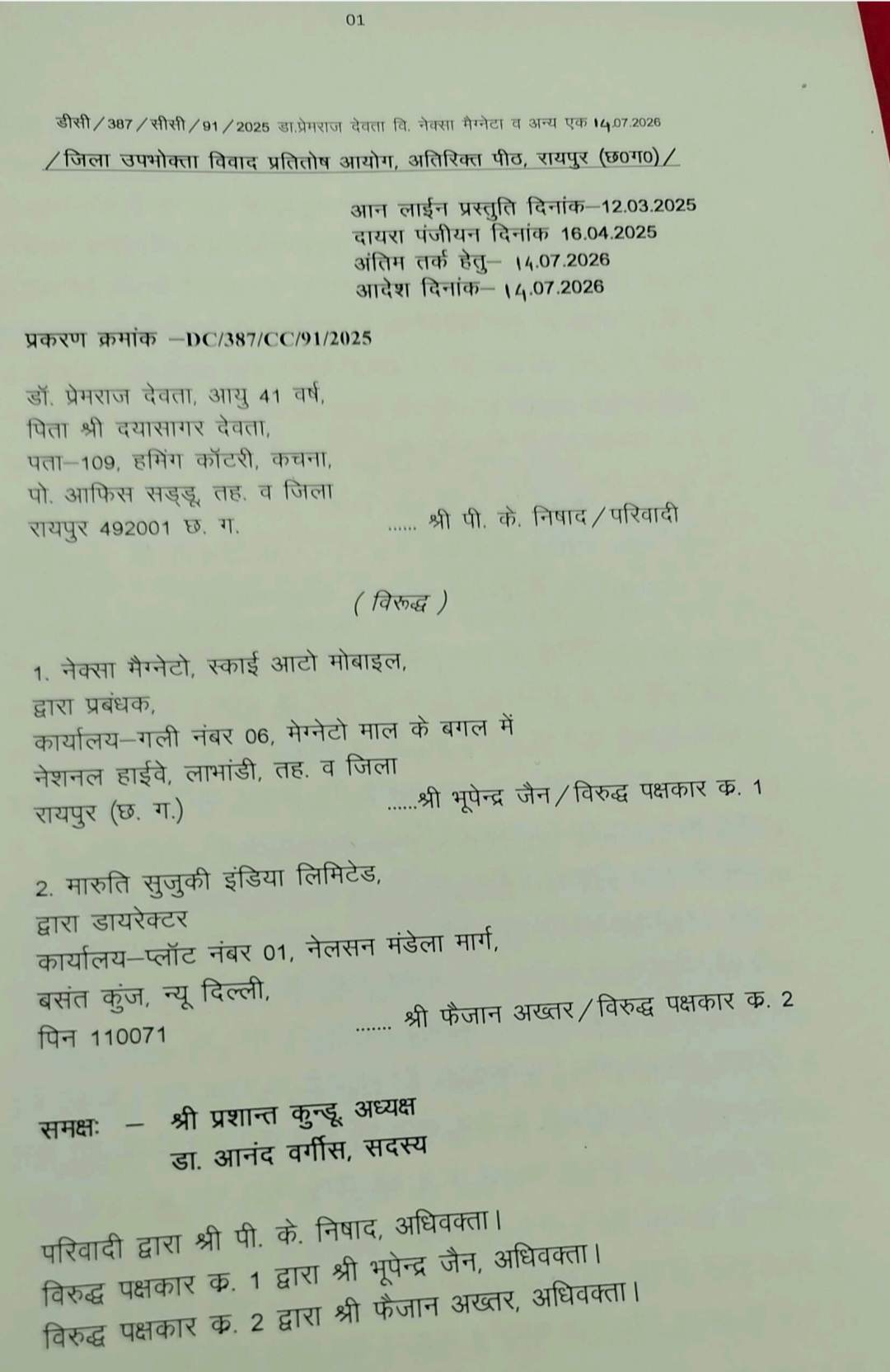
The Consumer Forum has issued an order.
Court orders new car or full refund
The Commission directed Maruti Suzuki to provide the customer with a new E20-compatible vehicle of the same model within 45 days.
If the company fails to do so, it must refund:
- The full vehicle price of ₹20.5 lakh
- Registration (RTO) charges
- Insurance costs
- Other related expenses
Additionally, the company has been ordered to pay:
- 7% annual interest from the date of the order until payment
- ₹1 lakh as compensation for mental harassment
- ₹10,000 towards litigation costs
Expert says vehicles also need upgrades
Automobile expert K. Mahesh Kumar said ethanol is produced from sugarcane and, if it contains moisture, it may not mix uniformly with petrol because the two have different densities. This can affect the fuel pump and other components of the fuel system.
However, he cautioned that it would not be technically correct to attribute every engine failure solely to ethanol-blended fuel.
He added that many vehicles in India are still not fully compatible with E20 fuel and that as fuel standards evolve, vehicle technology must also be upgraded accordingly.