
The Patiala House Court in Delhi has allowed the National Investigation Agency (NIA) to dispose of the biological remains recovered from the site of the 2025 Red Fort car bomb blast, including those of the victims and the alleged main accused, Dr Umar Un Nabi.
The court directed the NIA to carry out the process with full respect for human dignity and in accordance with the religious beliefs of those concerned. It also asked the agency to submit a compliance report after completing the process.
NIA says remains are no longer needed
During the hearing, the NIA told Special Judge Pitambar Dutt that all required forensic evidence had already been collected from the biological remains. The agency said there was no further reason to preserve them, as they had begun to decompose.
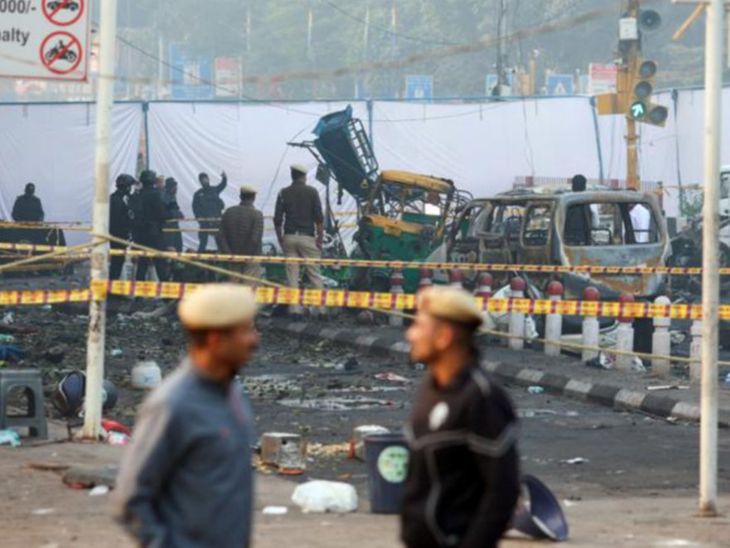
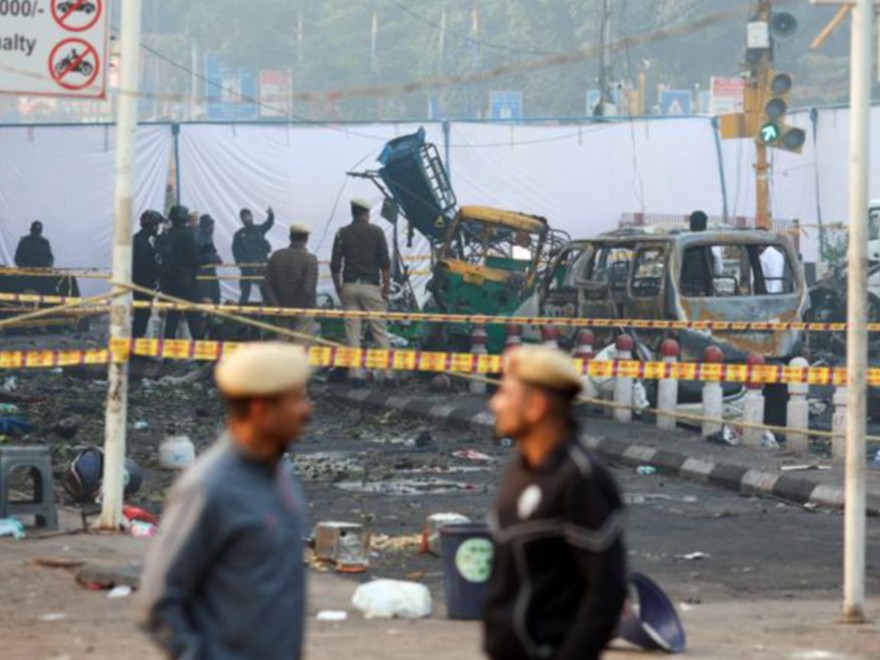
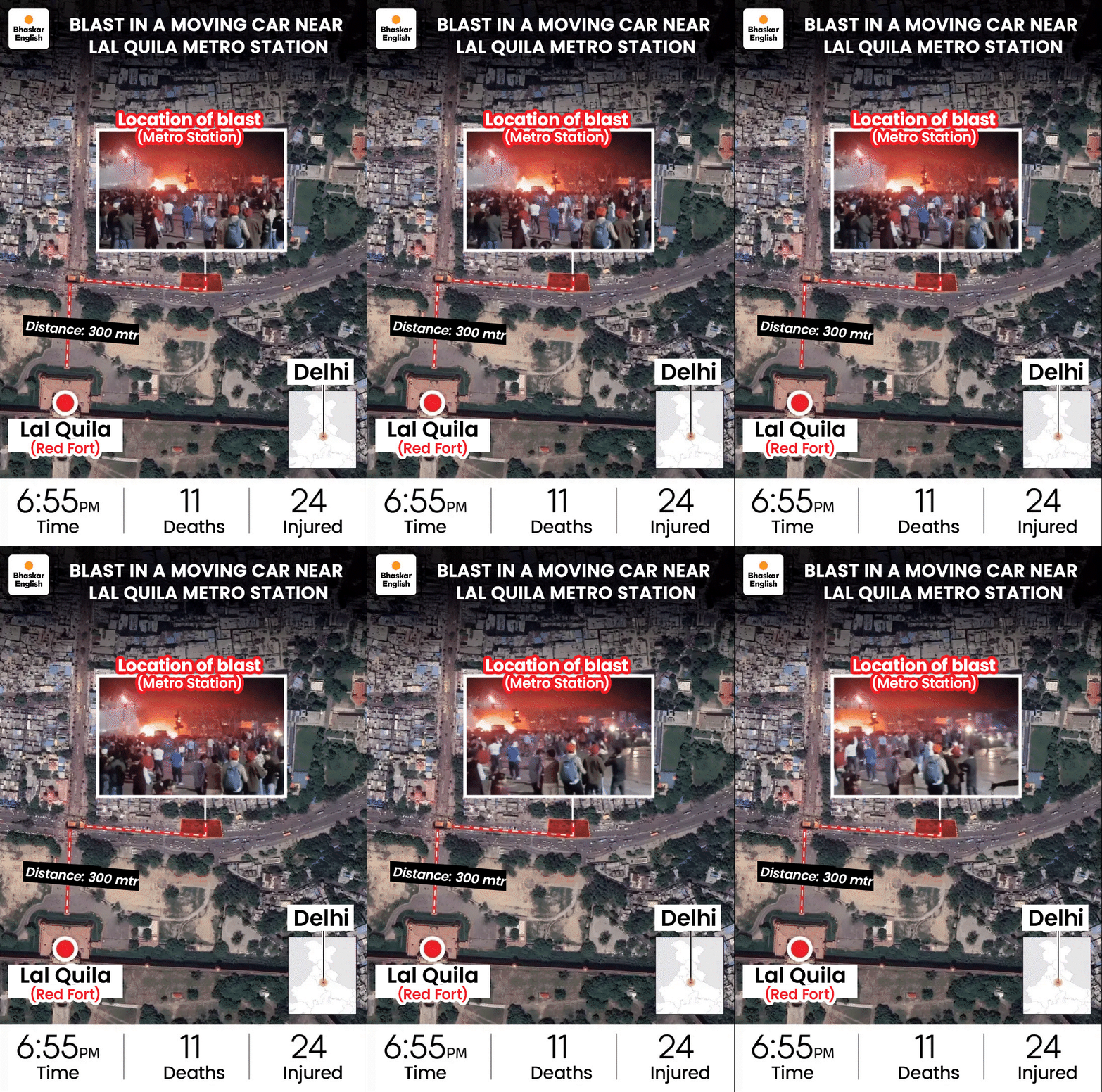
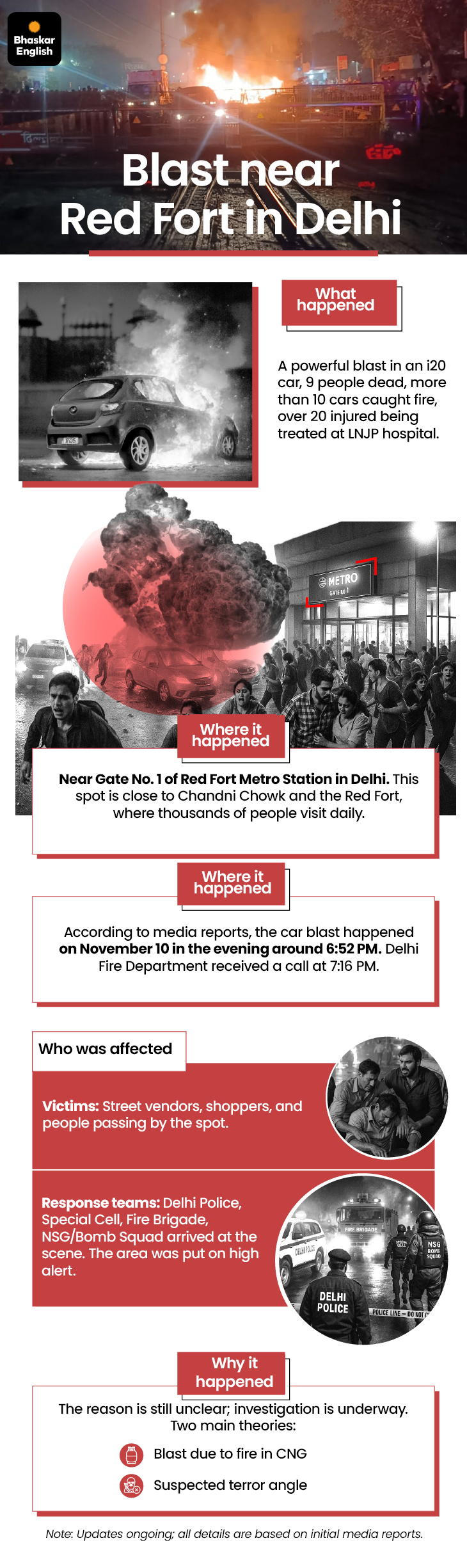
The NIA had sought the court’s permission to dispose of the remains recovered after the blast, which took place on 11 November 2025.
Blast killed 11 people
According to the NIA, the high-intensity Vehicle-Borne Improvised Explosive Device (VBIED) explosion killed 11 people, injured several others and caused extensive damage to nearby property.
The agency has already filed forensic reports related to the biological remains of those who died in the blast.
Charge sheets filed against accused
The NIA has filed a main charge sheet against 10 accused, including Dr Shaheen Saeed and others. A supplementary charge sheet against Zamir Ahmed Ahangar and Tufail Ahmed Bhat is also pending before the NIA court.
Zamir and Tufail were arrested in February 2026. The agency alleged they were collecting arms and ammunition and had received weapons, including a rifle, a pistol and live ammunition, from Umar Un Nabi, Mufti Irfan Ahmad Wagay and Dr Adeel Ahmed Rather. Both are alleged to be linked to Ansar Ghazwat-ul-Hind (AGuH).
NIA alleges wider terror conspiracy
Earlier, the NIA filed a 7,500-page charge sheet against 10 accused in connection with the blast. The agency invoked provisions of the Unlawful Activities (Prevention) Act (UAPA), the Bharatiya Nyaya Sanhita (BNS), the Explosive Substances Act, the Arms Act, and the Prevention of Damage to Public Property Act.
Among those named was the alleged main conspirator, Dr Umar Un Nabi, whose case is proposed to be closed following his death. Other accused include Aamir Rashid Mir, Jasir Bilal Wani, Dr Muzamil Shakeel, Dr Adeel Ahmed Rather, Dr Shaheen Saeed, Mufti Irfan Ahmad Wagay, Soyab, Dr Bilal Naseer Malla and Yasir Ahmad Dar.
Investigation findings
- The NIA alleged that all the accused were associated with Ansar Ghazwat-ul-Hind (AGuH), an offshoot of Al-Qaeda in the Indian Subcontinent (AQIS), which was declared a terrorist organisation by the Ministry of Home Affairs in 2018.
- According to the agency, its investigation covered Jammu and Kashmir, Haryana, Uttar Pradesh, Maharashtra, Gujarat and Delhi-NCR. The prosecution complaint includes 588 witness statements, more than 395 documents and over 200 seized material exhibits.
- The NIA alleged that the accused were part of a wider extremist conspiracy inspired by AQIS/AGuH ideology. Investigators claimed they reorganised the outfit as “AGuH Interim” during a secret meeting in Srinagar in 2022 and launched “Operation Heavenly Hind”, allegedly aimed at overthrowing the elected government and imposing Sharia law.
- The agency further alleged that the accused recruited members, spread extremist ideology, collected weapons and ammunition, and manufactured Triacetone Triperoxide (TATP) explosives using commercially available chemicals. It also claimed they experimented with rocket-based and drone-mounted improvised explosive devices (IEDs) targeting security establishments.
- According to the NIA, scientific and forensic examinations, including DNA fingerprinting and voice analysis, helped confirm the identity of the deceased accused, Dr Umar Un Nabi.